
Cambodia Crypto Regulations: What You Need to Know in 2025
When it comes to Cambodia crypto regulations, the legal framework governing digital asset use, trading, and licensing in Cambodia. Also known as cryptocurrency laws Cambodia, it's a system that's moved from total silence to strict oversight in just a few years. Unlike countries that banned crypto outright, Cambodia let it grow wild for years—then stepped in to control it. Today, if you're running a crypto exchange, accepting payments in Bitcoin, or even just trading regularly, you need to know the rules—or risk fines, account freezes, or worse.
The crypto licensing Cambodia, the official permit required for businesses to operate crypto services legally in Cambodia is now mandatory. The National Bank of Cambodia (NBC) doesn’t issue licenses to just anyone. You need real office space in Phnom Penh, proof of capital, anti-money laundering systems, and local management. No offshore shells. No anonymous owners. The crypto tax Cambodia, how digital asset gains are treated under Cambodian income and capital gains law is still being clarified, but profits from trading are likely taxable as personal income. If you’re mining or staking, keep records. The government is watching wallets, not just exchanges.
Foreign platforms like Binance or KuCoin can’t just operate in Cambodia without approval. Some tried. Most got shut down or forced to pull out. Local exchanges like Cambodia Crypto Exchange (a real registered name) are the only ones legally allowed to serve Cambodian users. And if you’re a trader? Don’t assume anonymity works anymore. The NBC works with international agencies to track suspicious flows. Even small transfers can trigger reporting if they come from flagged wallets.
What’s missing? Clear rules on DeFi, NFTs, and airdrops. No one knows if buying a Pudgy Penguin NFT counts as a financial transaction. No one knows if earning tokens from a play-to-earn game is taxable. That’s the gray zone—and it’s where most users live right now. But the government is moving fast. Expect new guidelines in late 2025.
Below, you’ll find real-world examples of what happens when rules are ignored, how exchanges are forced to comply, and what happens when a country decides crypto isn’t a free-for-all anymore. These aren’t theoretical warnings. These are cases that happened. And they’re happening again.
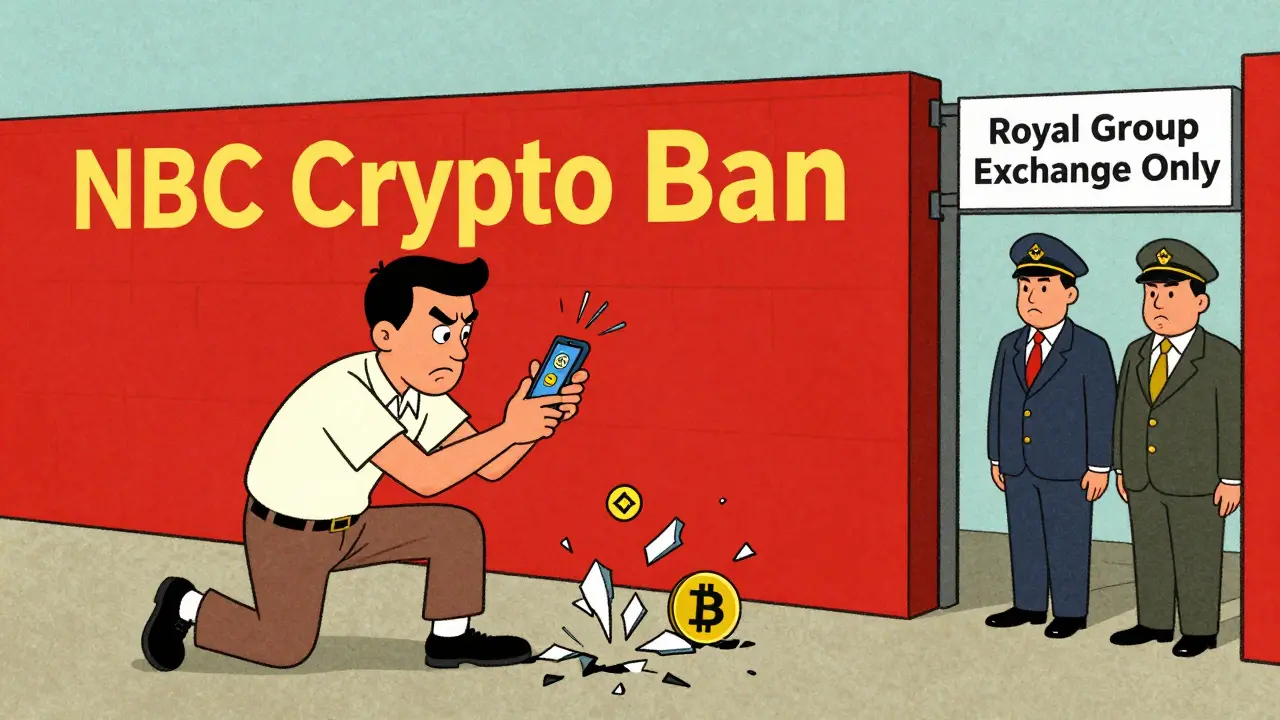
Cambodia Banking Restrictions on Crypto Transactions: What You Need to Know in 2025
by Johnathan DeCovic Dec 5 2025 13 CryptocurrencyCambodia's banking restrictions on crypto transactions in 2025 allow only two licensed platforms to handle digital assets. Banks can't hold Bitcoin, Binance is blocked, and P2P trades can freeze accounts. Here's how the rules work-and who's really paying the price.
READ MORE