
MiCA Licensing: What It Means for Crypto Exchanges and Users
When you hear MiCA licensing, the Markets in Crypto-Assets Regulation, a sweeping EU law that sets clear rules for crypto businesses. Also known as EU Crypto Regulation, it forces exchanges, wallet providers, and token issuers to get licensed or shut down in Europe. This isn’t just paperwork—it’s a firewall between real platforms and the scams flooding the market.
MiCA licensing requires companies to prove they’re transparent, secure, and accountable. That means no more anonymous teams, fake whitepapers, or unverified airdrops slipping through the cracks. Platforms like Bitstamp and Orion Protocol already follow these rules because they’re built for long-term use, not quick cash grabs. Meanwhile, fake exchanges like Unielon and TaurusEX can’t get licensed—they don’t even have real offices or legal teams. MiCA makes it harder for them to hide.
It also connects directly to AML compliance, Anti-Money Laundering rules that demand crypto businesses know their customers. Also known as KYC for crypto, this is now part of every MiCA license application. That’s why you see fewer anonymous airdrops like FARA, WKIM Mjolnir, or WHX—legit projects need user identities to comply. Even CoinMarketCap listings now require proof of regulatory alignment, not just hype. If you’re trading on a platform that doesn’t mention MiCA, ask why. If it’s offering free tokens with no KYC, it’s probably not just unregulated—it’s illegal.
For users, this means less risk. No more losing money to ghost projects that vanish after an airdrop. No more fake exchanges promising zero fees but stealing your keys. MiCA doesn’t fix everything—but it forces the bad actors out of the open market. That’s why you’ll see more posts here about real compliance, like how OFAC sanctions or Chinese crypto bans create gray zones, while MiCA tries to build a clear path forward in Europe.
Below, you’ll find real reviews of exchanges that play by the rules, breakdowns of scams that got exposed because of MiCA, and guides on how to spot what’s legal versus what’s just loud. This isn’t theory. It’s what’s happening now—and what you need to know before your next trade.
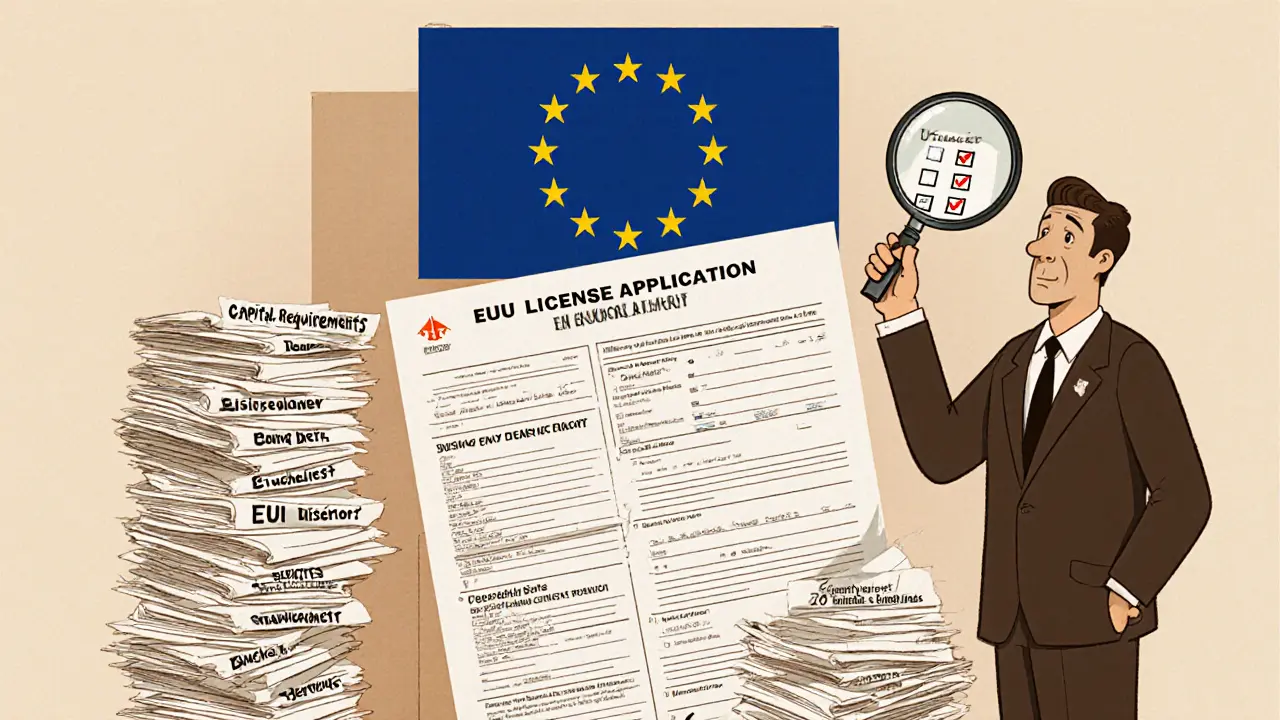
Crypto Asset Service Provider Licensing in EU: MiCA Requirements, Costs, and Real-World Challenges
by Johnathan DeCovic Nov 14 2025 20 CryptocurrencyMiCA licensing for Crypto Asset Service Providers in the EU requires high capital, EU-based management, environmental reporting, and months of processing. Here’s what it actually takes to get approved - and who can’t make it.
READ MORE