
NBC Crypto Rules: What They Mean for Your Transactions and Exchange Compliance
There’s no such thing as NBC crypto rules, a term often mistakenly used to describe real-world crypto regulations. Also known as crypto compliance standards, these aren’t official policies—they’re a mix-up with actual laws like the EU Travel Rule, a regulation requiring identity data for every crypto transaction, no matter the amount, or MiCA, the EU’s comprehensive framework for crypto asset service providers. People hear "NBC" and think of a government body, but no agency by that name regulates crypto. What they’re really asking about is how global rules are changing how you send, trade, and store digital assets.
If you’ve seen headlines about exchanges shutting down or wallets being frozen, you’re not imagining it. The crypto compliance landscape has shifted hard since 2024. Platforms like KuCoin and BitMex had to overhaul their systems or face legal action. Why? Because regulators now demand full traceability. The EU’s zero-threshold Travel Rule means even a $5 transfer must include sender and receiver IDs. Indonesia flipped its entire crypto classification from commodity to financial asset. Thailand now requires $2.1 million just to apply for a license. These aren’t isolated cases—they’re part of a global tightening. And if you’re using a no-KYC exchange, you’re playing with fire. The crackdowns aren’t coming—they’ve already happened.
What does this mean for you? If you’re holding tokens like DOGE, NINJA, or EXVG, you’re not just betting on price—you’re betting on whether the project can survive regulatory pressure. Meme coins with no team or utility don’t stand a chance when exchanges are forced to delist risky assets. Even DeFi tools like flash loans are under scrutiny—exploits drained over $1.7 billion in 2025, and now protocols are forced to build in real-time monitoring or risk being shut down. The days of anonymous, untraceable crypto are over. The real question isn’t whether NBC rules exist—it’s whether you’re prepared for the rules that actually do.
Below, you’ll find real breakdowns of what’s actually happening—from exchange shutdowns and scam alerts to how MiCA is forcing crypto businesses to change overnight. No fluff. No myths. Just what you need to know to stay safe and compliant in today’s crypto world.
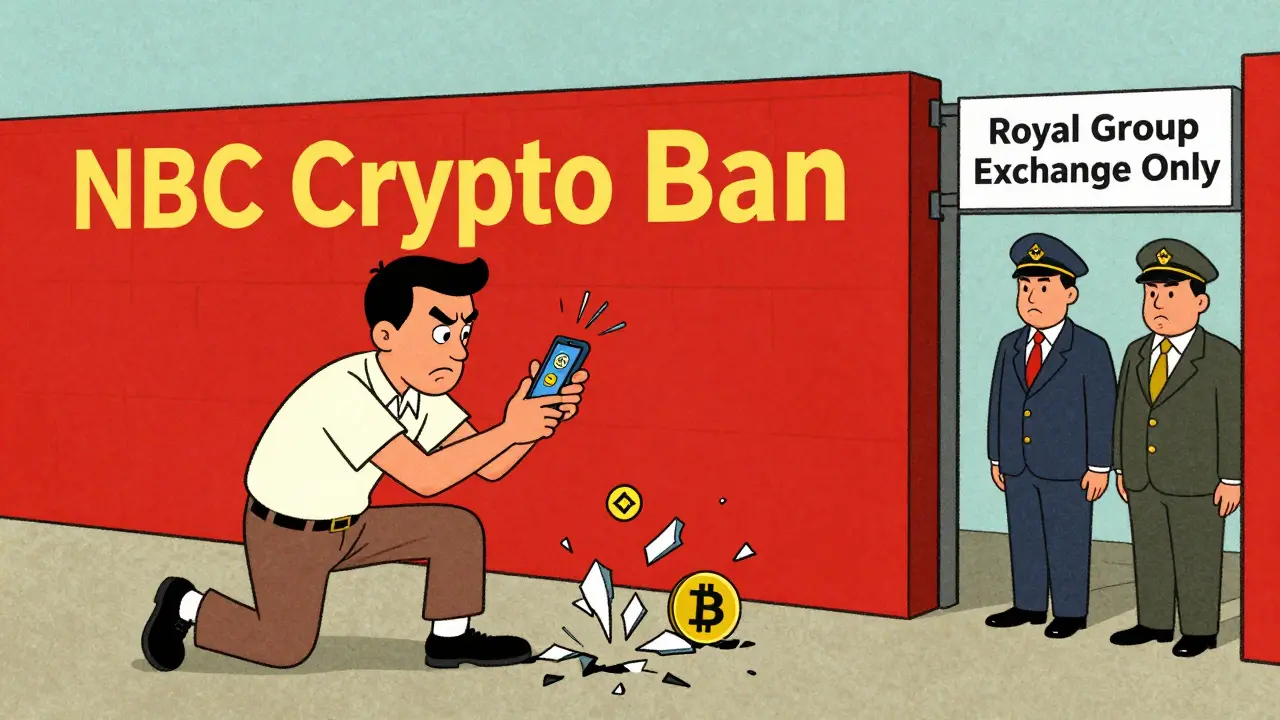
Cambodia Banking Restrictions on Crypto Transactions: What You Need to Know in 2025
by Johnathan DeCovic Dec 5 2025 13 CryptocurrencyCambodia's banking restrictions on crypto transactions in 2025 allow only two licensed platforms to handle digital assets. Banks can't hold Bitcoin, Binance is blocked, and P2P trades can freeze accounts. Here's how the rules work-and who's really paying the price.
READ MORE