
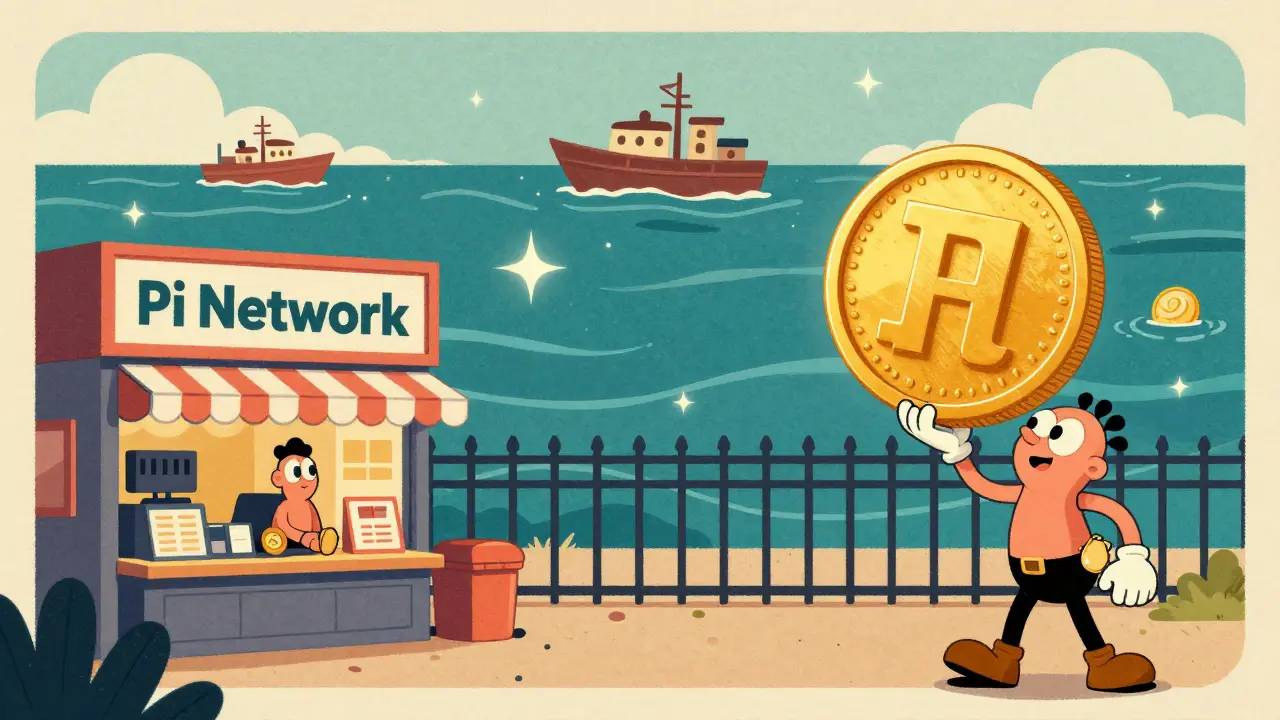
Imagine having a gift card that only works in one specific store. It's great for that store, but useless everywhere else. That is essentially how the native PI coin worked for years-it lived exclusively within the Pi Network ecosystem. But what if you wanted to use that value in the wider world of decentralized finance, like lending it out to earn interest or trading it on a popular exchange? That's where Wrapped Pi is a tokenized version of the PI coin that allows it to operate on different blockchains, specifically the BNB Smart Chain. By "wrapping" the coin, users can move their assets out of the closed Pi environment and into the broader crypto ocean.
The Basics of Wrapped Pi (WPI)
To understand WPI, you first have to understand the core asset. The PI coin is the native currency of the Pi Network, a project started in 2018 by Stanford academics to make crypto mining accessible via smartphones. For a long time, these coins were locked in a closed testing phase. However, on February 20, 2025, the project launched its public blockchain, finally opening the doors to the rest of the world.
Wrapped Pi (WPI) isn't a new currency; it's a bridge. It operates on the BNB Smart Chain (using the BEP20 standard), which is one of the most popular networks for DeFi applications because it's fast and cheap. The most critical thing to know is that WPI maintains a 1:1 peg with native PI. If you have one WPI token, it represents exactly one native PI coin. There is no price difference between the two; if native PI goes up, WPI goes up.
How the Wrapping Process Actually Works
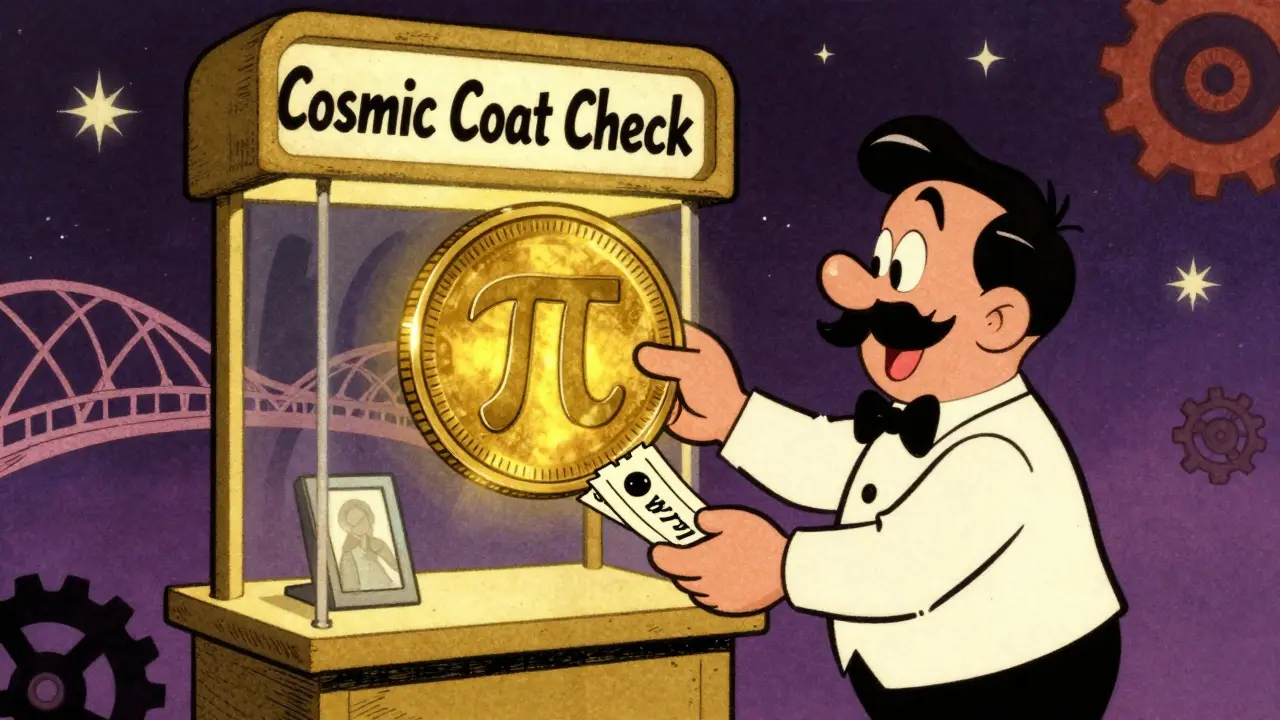
You might wonder how a coin moves from one blockchain to another when blockchains are designed to be separate. They can't "talk" to each other directly. This is solved through a process of locking and minting. Think of it like checking your coat at a theater: you give the attendant your actual coat (native PI) and they give you a claim ticket (WPI). The ticket is what you use to move around, but it represents the coat safely stored in the back.
- Locking: A user sends their native PI coins to a secure reserve, usually managed by a custodian or a smart contract.
- Minting: Once the native coins are locked, an equal amount of WPI tokens are created (minted) on the BNB Smart Chain.
- Using: The user can now use these BEP20 tokens in any app that supports the BNB chain.
- Burning: When the user wants their original coins back, they "burn" (destroy) the WPI tokens, which triggers the release of the original PI coins from the reserve.
This entire cycle is facilitated by the Pi Bridge, a third-party protocol launched in September 2022. It's important to note that the Pi Bridge is a community-driven tool and not an official part of the Pi Network's core development team. It's a decentralized application (dApp) created to fill a gap in the ecosystem.
Why Bother Wrapping Your PI?
If you're just holding your coins in a wallet, wrapping them might seem like an unnecessary step. But for those looking to grow their portfolio, the benefits are massive. Native PI is restricted to the Pi Browser and its internal ecosystem. WPI breaks those walls down.
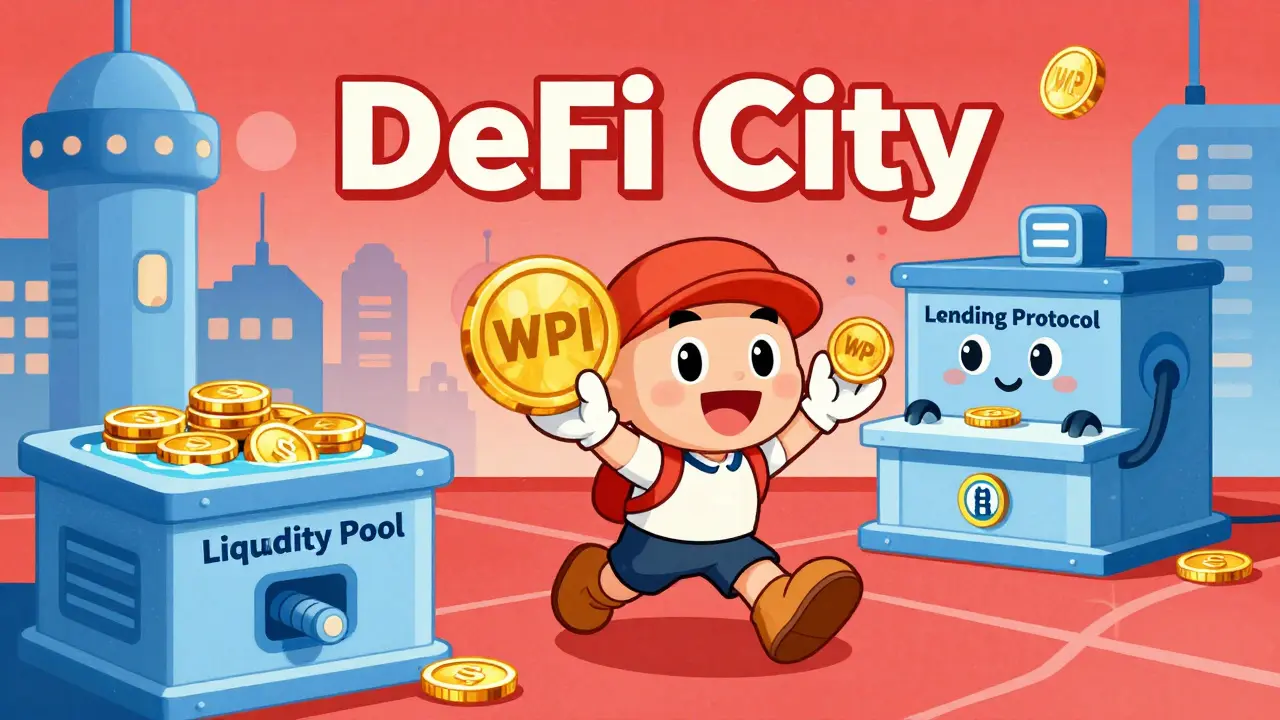
The primary driver here is Decentralized Finance (DeFi). By converting to WPI, users can engage in activities that are simply impossible with native PI. For example, you can provide liquidity to a decentralized exchange to earn a slice of the trading fees, or you can use your WPI as collateral in a lending protocol to borrow other assets without having to sell your PI holdings.
| Feature | Native PI | Wrapped PI (WPI) |
|---|---|---|
| Blockchain | Pi Network (Stellar-based) | BNB Smart Chain (BEP20) |
| Accessibility | Pi Browser / Internal Ecosystem | External DeFi Apps / Wallets |
| Primary Use | Mobile mining, internal utility | Liquidity, lending, cross-chain trading |
| Value Ratio | 1:1 | 1:1 (Pegged to Native PI) |
The Technical Side: From Stellar to BEP20
To appreciate why WPI is necessary, we have to look at the plumbing. Pi Network uses a modified version of the Stellar Consensus Protocol. This is a high-speed system that relies on a "quorum" of trusted nodes rather than the massive electricity-guzzling computers used by Bitcoin. While this is great for mobile users, it's not compatible with the Ethereum Virtual Machine (EVM) which powers the BNB Smart Chain.
Because WPI is a BEP20 token, it can interact with any EVM-compatible wallet, like MetaMask. This allows Pi users to pivot from a niche mobile app to the professional tools used by the rest of the crypto world. It transforms the PI coin from a social-mining experiment into a functional financial asset that can be paired with other tokens on Solana, Ethereum, or Bitcoin via further bridges.
Risks and Things to Watch Out For
Nothing in crypto is without risk, and wrapping adds a layer of complexity. When you hold native PI, you only trust the Pi Network. When you hold WPI, you are trusting the custodian or the smart contract that holds the reserve. If the Pi Bridge were to be compromised or if the reserve were drained, the WPI tokens could lose their 1:1 peg because there wouldn't be enough native PI to back them up.
Another point of caution is the third-party nature of the bridge. Since the core Pi Network team didn't build the WPI bridge, there is no official "customer support" if something goes wrong during the conversion. You are relying on the security of the BEP20 contract and the honesty of the bridge operators. Always verify the contract address before sending any assets.
Is WPI an official Pi Network coin?
No. WPI is a wrapped token created by the Pi Bridge, which is a third-party decentralized application. While it represents the native PI coin, it was developed independently of the core Pi Network team to enable cross-chain functionality.
Does wrapping PI change its value?
No, it does not. WPI is designed to maintain a strict 1:1 peg with the native PI coin. If the market price of PI increases, the price of WPI increases by the same amount.
How do I turn my WPI back into native PI?
You use the "unwrapping" or "burning" process through the Pi Bridge. You send your WPI tokens back to the bridge, they are destroyed, and the equivalent amount of native PI is released from the reserve back into your Pi Network wallet.
Which wallet do I need for WPI?
Since WPI operates on the BNB Smart Chain (BEP20), you need a wallet that supports the Binance ecosystem, such as Trust Wallet or MetaMask, rather than just the Pi Browser wallet.
Can I mine WPI directly?
No. You cannot mine WPI. You mine native PI using the Pi Network mobile app, and then you wrap those earned coins into WPI using the Pi Bridge.
Next Steps for Pi Holders
If you've been mining PI for years and are now looking at WPI, your path depends on your goals. If you are a long-term holder who doesn't mind waiting for the internal Pi ecosystem to grow, keeping your coins in their native form is the safest bet. You avoid the third-party risk of the bridge entirely.
However, if you're a DeFi enthusiast, start by exploring a BEP20 compatible wallet. Before wrapping your entire balance, try a small amount to understand how the Pi Bridge works. Once you have your WPI, look into reputable liquidity pools or lending platforms on the BNB Smart Chain to see where your assets can earn the best yield. Just remember to double-check all contract addresses and never share your private keys.

Kieran Smith
April 10, 2026 AT 02:25this sounds like a total game changer for us miners who have just been sitting on these coins for years. it'll be cool to see some actual utility beyond just waiting for the mainnet to fully bloom. i think a lot of people are gonna be surpised by how easy this is once they get their wallets sorted out.
Surender Kumar
April 11, 2026 AT 11:35really cool explanation of the wrapping process. its kinda like how we use vouchers in some shops here in india. makes a lot of sense to move it to bnb chain for the low fees.
daniella davis
April 12, 2026 AT 10:31honestly it's almost adorable that people need a guide for this. any seasoned trader knows that wrapped tokens are basically just IOUs. if the bridge gets hacked you're holding a worthless piece of code. but hey if you like gambling with your "mobile mined" coins go right ahead lol.
Lela Singh
April 13, 2026 AT 12:22Absolute goldmine of info! 🚀 Get those BEP20 wallets ready and let's crush those DeFi yields!
Terrance Hausmann
April 15, 2026 AT 05:21I appreciate the balanced view on the risks here. It is always important to remember that third-party bridges introduce a point of failure that isn't there with native assets, but for many of us, the trade-off for liquidity is simply too good to pass up if we want to actually use our assets in the modern financial landscape.
Will Dixon
April 16, 2026 AT 14:52just keep it simple folks. dont put in more than you can afford to lose since the bridge isnt official. its better to be safe than sorry with your coins.
Artavius Edmond
April 17, 2026 AT 22:03Totally agree with the vibe here. Just glad there's finally a way to get this stuff moving across chains. The ecosystem has felt like a walled garden for way too long.
Amanda Faust
April 18, 2026 AT 20:52basically just a bridge to bnb chain so you can use metamask instead of that clunky pi browser
Rebecca Violette
April 20, 2026 AT 04:08i tried doing this and it just feels so stressfull. why is everythin in crypto so complicated? i just want to know if my money is safe and now i have to trust some random bridge. im actually shaking thinking about the risks.
Jonathan Chamma
April 20, 2026 AT 17:37It is quite fascinating to see the bridge between a Stellar-based consensus and an EVM environment. While the technical hurdles are significant, the community's drive to innovate usually outpaces official development. Just be mindful and treat your first few transactions as learning experiences.
Scott Fenton
April 21, 2026 AT 21:21I would advise all participants to exercise extreme caution. One must verify the smart contract address via an official or trusted source before initiating any transfer of assets to avoid phishing attempts.
Lane Montgomery
April 22, 2026 AT 00:05Where's the link to the bridge?
logan bates
April 23, 2026 AT 21:17Doesn't matter where it's wrapped, US-based exchanges will probably restrict it anyway.
Tracie and Matthew Hartley
April 24, 2026 AT 13:50lol imagine trustin a third party bridge in 2025. i'll just hold my native coins and watch the bridge users lose everything when it glitchess out
Omotola Balogun
April 24, 2026 AT 20:09The fundamental flaw here is the custodial risk. In a truly decentralized world, we shouldn't need these "bridges" that rely on a reserve managed by a third party. It's a temporary fix at best and a security nightmare at worst, though I admit the BEP20 utility is tempting.
EDOZIEM MICHAEL
April 26, 2026 AT 11:43the coin is just a reflection of our collective belief in the network man. wrapping it is just changing the mirror we look into
Akshay Gorad
April 27, 2026 AT 01:55This is a helpful guide for those of us who are not familiar with the technical side of wrapping assets. Thank you for the clarity.
Alan Seiden
April 27, 2026 AT 03:42What a load of rubbish. Another useless token for another useless network. Only a fool would put their money into a bridge they don't control. This is why the industry is a joke.
Rob Mitchell
April 28, 2026 AT 09:56Great breakdown. Short and sweet.
william manes
April 28, 2026 AT 16:16Lame project 👎 Just follow the real money 🇺🇸
Tyler Webb
April 29, 2026 AT 02:23I totally get why this is scary for some people. Just take it slow :) if you're nervous, maybe just wrap a tiny bit first to see how it feels. No rush!
James Bone
April 29, 2026 AT 08:00The irony of calling this a "guide" is that it barely scratches the surface of the systemic risk involved in wrapping. We're basically trusting a small group of devs to not rug us while we chase a few percentage points of yield on the BNB chain. It's the height of financial delusion to think a 1:1 peg is guaranteed when the bridge is community-run and lacks institutional auditing. Let's be real, the only reason people do this is because they're bored and want to play with their digital tokens in a different app. The actual economic value added by WPI is negligible compared to the risk of a total loss of principal if the reserve is drained. But hey, go ahead and "diversify" your portfolio into a wrapped asset that could disappear overnight because of a single smart contract bug. It's the classic crypto experience: high risk, low actual utility, and a lot of hope that the price goes up while you're ignoring the fundamental holes in the architecture. Truly a masterpiece of modern DeFi theater.