
Meme Coin: What They Are, Why They Crash, and What You Really Need to Know
When you hear meme coin, a cryptocurrency created as a joke or internet trend, often with no real technology or team behind it. Also known as dog coin, it's usually launched with viral marketing and zero fundamentals. These aren’t investments—they’re bets on hype. Dogecoin started as a parody. Shiba Inu copied it. Now there are thousands more, each hoping to ride the next wave of Twitter trends or TikTok chaos. But most never make it past week two.
What makes a meme coin different from real crypto isn’t just the name. It’s the lack of utility. No blockchain innovation. No real-world use case. No team you can find on LinkedIn. Just a logo, a whitepaper written in Discord, and a promise of mooning. And yet, people still throw money at them. Why? Because someone made $100,000 on a coin called Flappy Bird Token last year. That’s the lure. But here’s the truth: over 95% of meme coins die within months. The ones that survive? They’re either lucky, or they’ve quietly turned into something else—like how Dogecoin became a tipping tool on Reddit, or Shiba Inu got its own decentralized exchange. Most don’t.
These coins thrive in the same spaces as crypto scams, fraudulent projects designed to steal funds by pretending to offer high returns or free tokens. You’ll see fake airdrops promising free $WAGMI or $GDOGE tokens. You’ll get DMs from "verified" influencers pushing a new meme coin with a 1000x return. They’re all the same script. No KYC. No audit. No liquidity lock. Just a contract you’re supposed to connect your wallet to. And once you do, your crypto is gone. The crypto airdrop, a free distribution of tokens meant to grow a community, often used as a trap in meme coin schemes is the bait. The wallet drain is the result.
And then there’s the volatility. A meme coin can jump 500% in an hour because Elon Musk tweeted a dog. Then drop 80% the next day because someone on Reddit called it a rug pull. There’s no analysis that works here. No chart pattern. No fundamentals. Just emotion, FOMO, and timing. The few who win? They got in early and got out faster than the crowd. The rest? They’re holding a token that trades for pennies, if it trades at all.
What you’ll find below isn’t a list of the next big meme coin. It’s a collection of real stories—about coins that vanished, scams that exploded, and airdrops that were never real. You’ll see how GDOGE promised BNB rewards and delivered nothing. How JF token went from hype to zero. How fake airdrops like WKIM Mjolnir and ART Campaign are designed to steal, not reward. These aren’t hypotheticals. They’re records of what happens when you treat a joke as an investment. If you’re thinking about jumping into a meme coin, read these first. You might just save your wallet.
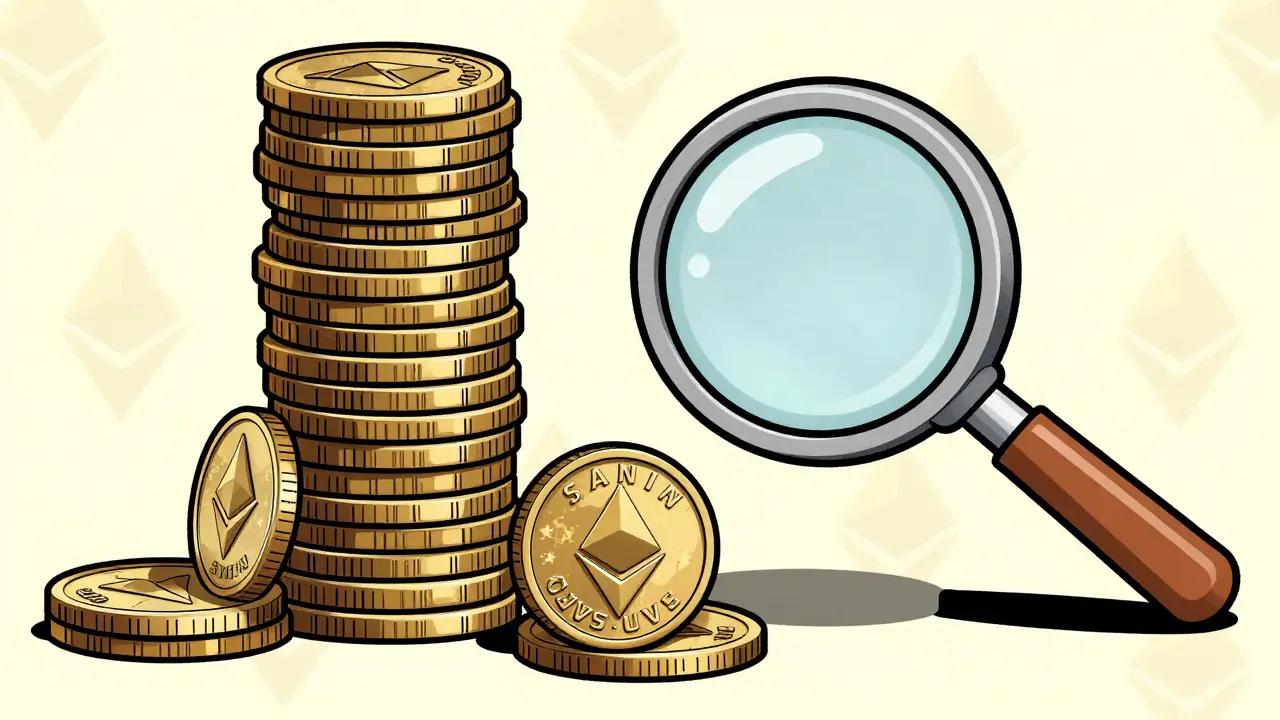
What is Sanin (SANIN) Crypto Coin: Risks and Reality in 2026
by Johnathan DeCovic Feb 6 2026 19 CryptocurrencySanin (SANIN) is a low-cap meme token with minimal liquidity and no utility. As of 2026, it trades at $0.00000008334, has a $68k market cap, and is ranked #8456. Experts warn it's extremely high-risk with a near-certain chance of losing value.
READ MORE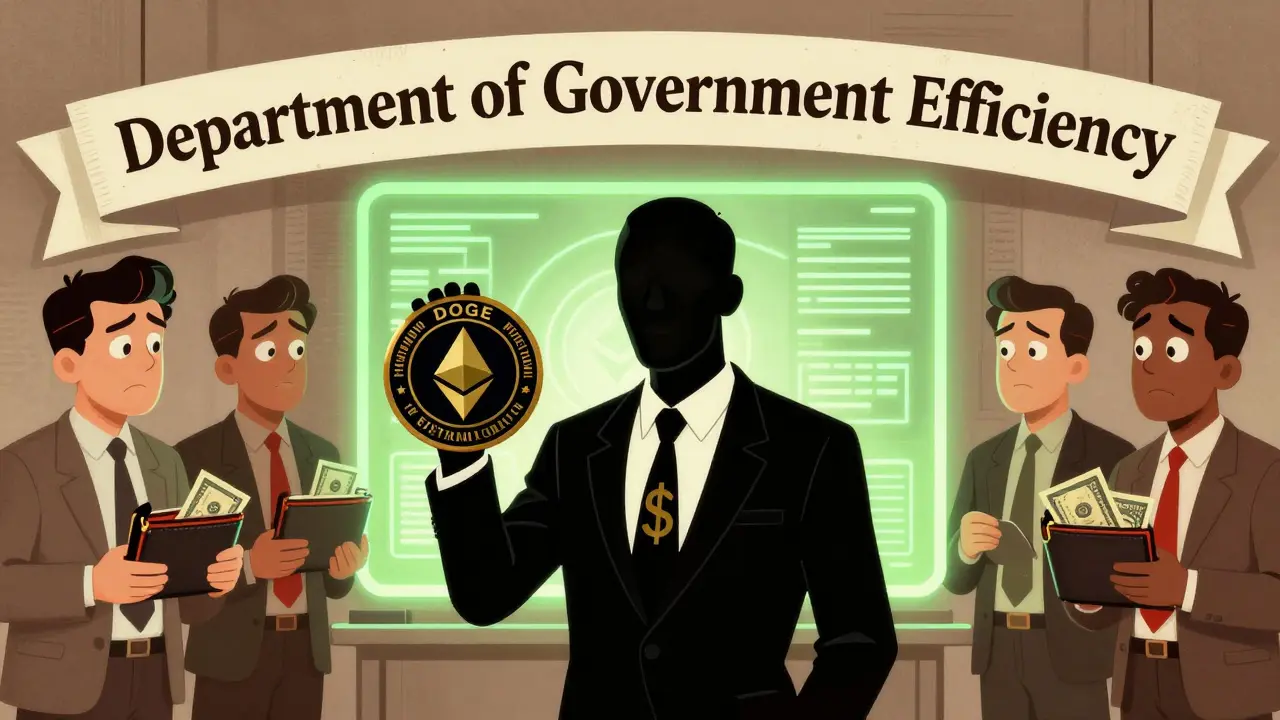
What is Department Of Government Efficiency (DOGE) Crypto Coin?
by Johnathan DeCovic Dec 5 2025 21 CryptocurrencyThe Department Of Government Efficiency (DOGE) crypto is a meme token that mimics a real U.S. government agency. It has no official ties, extreme volatility, and regulatory risks. Don't be fooled by its name.
READ MORE