
Blockchain: The Core of Modern Crypto
When working with blockchain, a distributed ledger that records transactions across many nodes. Also known as decentralized ledger, it lets anyone create, transfer, and verify digital assets without a central authority. This technology underpins smart contracts, self‑executing code that runs automatically when conditions are met, fuels consensus models like proof of stake, where validators lock up tokens to secure the network, and relies on tools such as cross‑chain bridges, protocols that move data and tokens between separate blockchains. Together they also enable stablecoins, tokens pegged to fiat or assets to reduce volatility.
Diving Deeper into Key Blockchain Concepts
Smart contracts bring automation to the ledger; they define inputs, outputs, and trigger rules, making DeFi lending, NFT minting, and supply‑chain tracking possible. Developers write them in languages like Solidity, Rust, or Move, and once deployed they stay immutable for full transparency. Proof of stake replaces energy‑intensive mining with token‑based voting power, offering faster finality and lower carbon footprints—Ethereum’s recent upgrade shows how a major network can shift to PoS while keeping security. Validators earn rewards proportional to their stake, but slashing penalties deter misbehavior, creating a self‑policing environment. Cross‑chain bridges act as translators, wrapping assets like Bitcoin on Ethereum or moving tokens from Solana to Binance Smart Chain, which expands liquidity but also adds risk layers that auditors watch closely. Trustless bridges use hashed time‑lock contracts, while custodial versions rely on centralized operators, each with trade‑offs in speed and safety. Stablecoins, whether fiat‑backed like USDC or algorithmic like the former Terra‑classic model, provide a stable medium of exchange for traders, merchants, and developers building payment apps. Regulators scrutinize their collateral reserves, and algorithmic designs attempt to maintain a peg without holding large fiat stacks, highlighting the balance between stability and decentralization.
Below you’ll find a hand‑picked collection of guides, exchange reviews, and deep dives that explore these topics from every angle—whether you’re comparing fees on Hibt, learning how PoS defends against 51% attacks, or figuring out how bridges move assets safely. These blockchain resources give you the practical context you need to decide which tools fit your strategy and stay ahead of the fast‑moving crypto space.
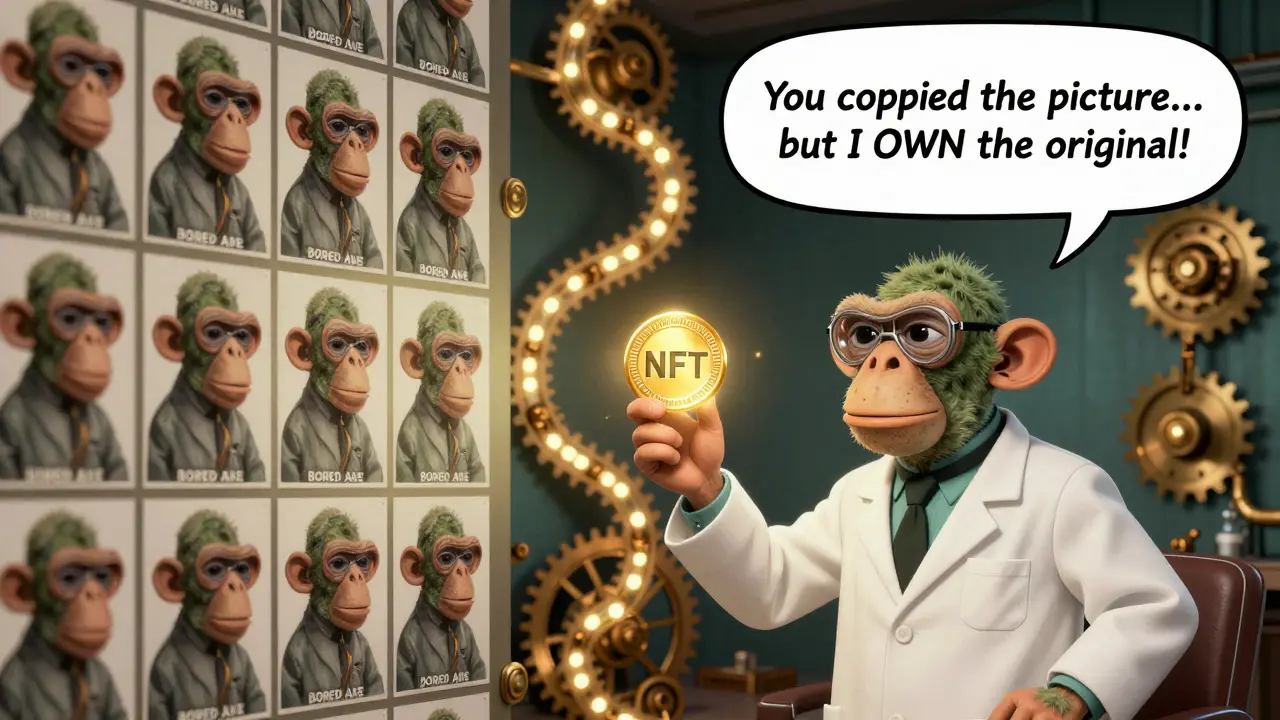
What Are NFTs in Cryptocurrency? A Clear Breakdown for Beginners
by Johnathan DeCovic Feb 26 2026 21 CryptocurrencyNFTs are unique digital ownership certificates on the blockchain, used for art, gaming, music, and more. Unlike cryptocurrencies, each NFT is one-of-a-kind and proves you own something digital - not just a copy. Here’s how they work, where they’re used, and what’s next.
READ MORE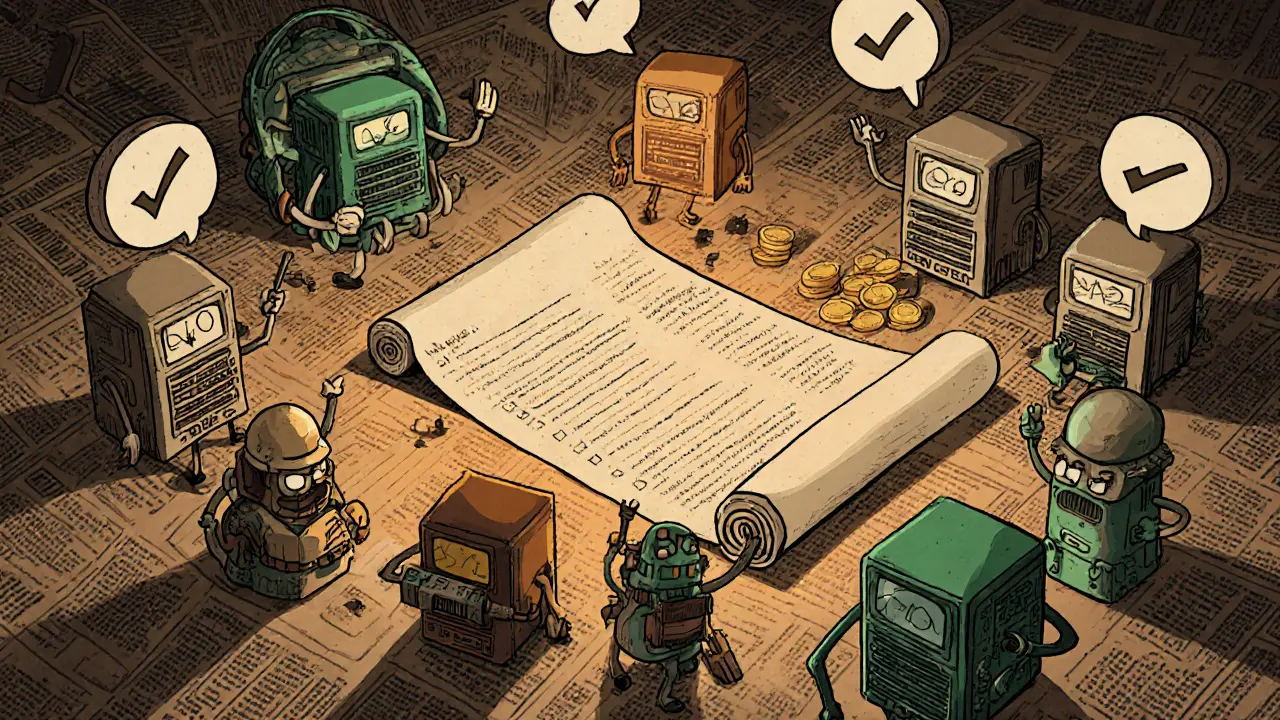
Understanding Consensus Mechanisms in Blockchain: Types, Benefits, and How They Work
by Johnathan DeCovic Oct 14 2025 19 CryptocurrencyA clear guide to blockchain consensus mechanisms, covering PoW, PoS, DPoS, and more, plus how to pick the right one for security, speed, or regulatory needs.
READ MORE
Digital Signatures in Cryptocurrency Explained
by Johnathan DeCovic Oct 13 2025 15 CryptocurrencyLearn how digital signatures secure cryptocurrency transactions, the cryptography behind them, key properties, Bitcoin workflow, and best practices.
READ MORE