

Imagine waking up to find your trading platform gone. No warning, no gradual wind-down, just a blank screen where your dashboard used to be. That is exactly what happened to users of Tux Exchange, a Canadian cryptocurrency platform that operated from roughly 2016 until its abrupt shutdown on July 6, 2019. If you are digging through old transaction records or wondering why this name keeps popping up in historical discussions, you are not alone. Tux Exchange was once a go-to spot for traders looking for low costs, but its story serves as a stark reminder of the risks inherent in smaller, centralized exchanges.
This review looks back at what made Tux Exchange attractive, where it fell short, and why it vanished. Whether you are a history buff, an investor analyzing past failures, or someone trying to recover lost assets, understanding the mechanics of this defunct platform helps navigate today's more regulated landscape.
What Was Tux Exchange?
Tux Exchange was a Canadian-based cryptocurrency trading platform focused exclusively on spot trading. Unlike modern giants offering derivatives, staking, and NFTs, Tux kept things simple. It launched around 2016, aiming to capture the growing Canadian market with a user-friendly interface and competitive pricing.
The platform’s core value proposition rested on its fee structure. In an industry notorious for hidden spreads and high withdrawal costs, Tux offered zero maker fees. This meant if you placed a limit order that sat on the order book waiting to be filled, you paid nothing. You only paid when you took liquidity off the book (a taker order), which cost 0.3%. For active traders who preferred placing limit orders, this was a massive advantage compared to competitors charging both sides.
However, simplicity came at a cost. Tux did not support fiat currency deposits. You couldn't wire money from your bank account directly into Tux. Instead, it was a crypto-only environment. You had to buy Bitcoin or Litecoin elsewhere first, then transfer those coins to Tux to trade. This barrier excluded many beginners who wanted a direct on-ramp from their bank accounts.
Trading Features and Asset Selection
If you were looking for the latest altcoin hype, Tux Exchange wasn't your place. The platform supported a limited selection of approximately 16 to 17 cryptocurrencies during its peak. The lineup included heavyweights like:
- Bitcoin (BTC)
- Litecoin (LTC)
- Dogecoin (DOGE)
There were no margin trades, no futures contracts, and no complex order types beyond basic market and limit orders. The interface was clean and intuitive, earning praise from users who found other platforms cluttered and confusing. But for professional traders needing leverage or advanced technical analysis tools, Tux felt bare-bones.
| Feature | Tux Exchange | Typical Major Exchange (e.g., Coinbase Pro/Kraken) |
|---|---|---|
| Maker Fee | 0% | 0.0% - 0.5% |
| Taker Fee | 0.3% | 0.1% - 0.5% |
| Fiat Deposits | No (Crypto Only) | Yes (Bank Transfer/Credit Card) |
| Asset Variety | ~16 Coins | 50+ to 100+ Coins |
| Margin Trading | No | Available on some pairs |
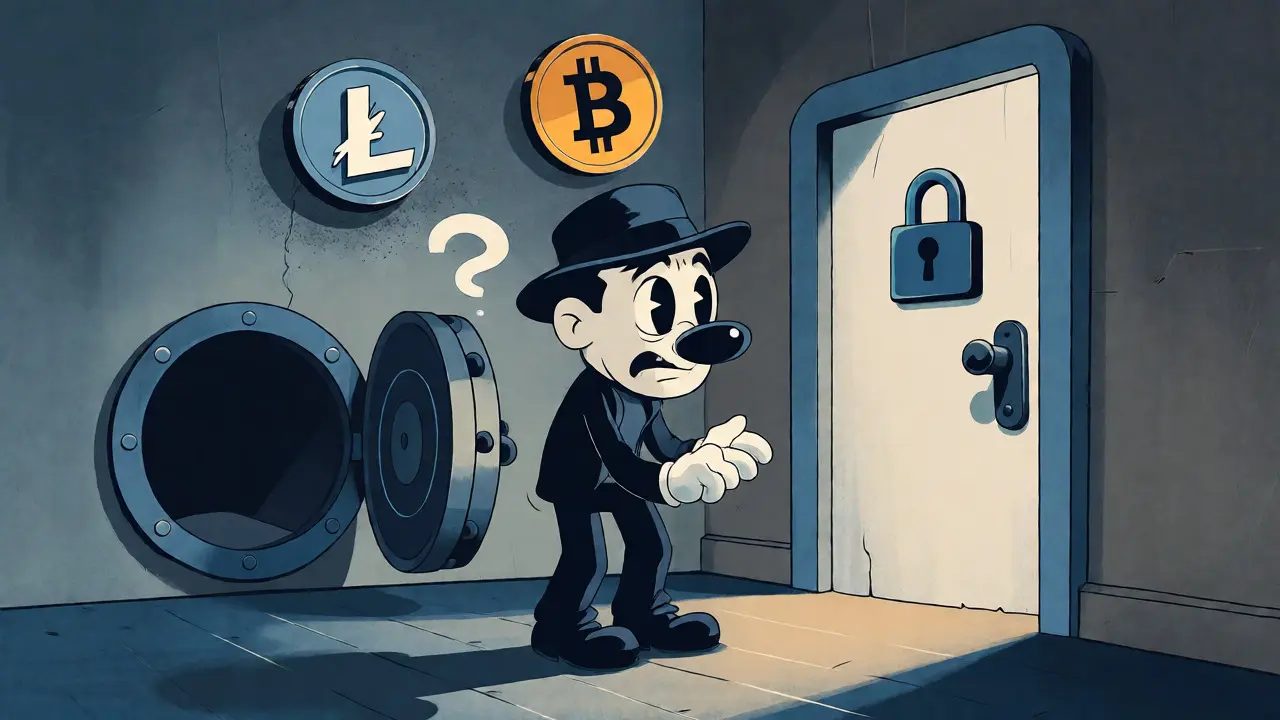
Security and Trust Issues
Security claims in the early crypto days were often taken on faith rather than verified fact. Tux Exchange stated it used cold storage for user funds and required two-factor authentication (2FA) for logins. On paper, this looked standard. In practice, the platform never released independent security audits. There was no public proof of reserves, no third-party verification of how much customer money they actually held versus what they claimed.
This lack of transparency contributed to a persistently low trust score. While some users appreciated the straightforward design, others remained skeptical. In the crypto world, "not your keys, not your coins" became a mantra precisely because exchanges like Tux could-and sometimes did-fail without warning. The absence of regulatory backing or insurance further heightened these concerns.
The Abrupt Closure: What Happened in 2019?
On July 6, 2019, Tux Exchange ceased operations. The announcement cited "unfavourable regulatory conditions" as the primary reason. This wasn't just a pause; it was a full stop. Trading halted immediately. Withdrawals stopped. Customer support went silent. Users woke up to find they couldn't even access their account histories easily, let alone withdraw remaining balances without significant hassle.
Why did this happen? The Canadian regulatory landscape shifted dramatically between 2018 and 2019. Provincial securities regulators began cracking down on unregistered exchanges, demanding stricter compliance regarding custody, anti-money laundering (AML) checks, and operational transparency. Smaller exchanges like Tux lacked the capital reserves to absorb the rising costs of legal compliance and infrastructure upgrades needed to meet these new standards.
Rather than invest heavily to survive, the operators chose to shut down. This left many former users scrambling. Some managed to withdraw assets before the final deadline, while others faced months of uncertainty trying to recover funds through manual processes or liquidation proceedings.

Lessons for Modern Crypto Investors
Tux Exchange isn't coming back. The domain is dead, and there are no successor platforms carrying its brand. But its legacy offers valuable lessons for anyone trading crypto today, especially in Canada.
First, check for regulatory status. Since Tux's closure, Canada has implemented clearer rules under the Financial Transactions and Reports Analysis Centre of Canada (FINTRAC). Today, reputable exchanges must register as Money Services Businesses (MSBs). If an exchange doesn't show clear registration details, treat it with caution.
Second, look for proof of reserves. After incidents involving major players like FTX, the industry has moved toward greater transparency. Platforms now frequently publish Merkle tree proofs or undergo regular audits to show they hold enough assets to cover user liabilities. Tux never offered this visibility.
Third, consider the risk of small-cap exchanges. While zero maker fees are tempting, the long-term viability of a platform matters more. A cheaper fee on a failing exchange costs you more in stress and potential loss than paying slightly higher fees on a robust, insured platform.
Frequently Asked Questions
Is Tux Exchange still operating?
No, Tux Exchange permanently closed on July 6, 2019. The platform is completely inactive, and there are no current plans for revival or a successor service using the same brand.
Can I still withdraw my funds from Tux Exchange?
Generally, no. The standard withdrawal window closed shortly after the shutdown announcement. Former users who missed the deadlines likely need to contact any remaining administrative bodies handling the liquidation, though recovery options have been extremely limited since 2019.
Did Tux Exchange support Canadian dollars?
No, Tux Exchange was a crypto-only platform. It did not accept fiat currency deposits such as CAD via bank transfer or credit card. Users had to deposit cryptocurrencies purchased from other exchanges.
What caused the failure of Tux Exchange?
The primary reason cited was unfavourable regulatory conditions in Canada. Rising compliance costs and stricter oversight from provincial securities regulators made it financially difficult for smaller exchanges like Tux to continue operating profitably.
Was Tux Exchange safe to use?
While it claimed to use cold storage and 2FA, Tux Exchange lacked independent security audits and proof of reserves. Its low trust score and eventual sudden closure suggest that relying on it for long-term asset storage carried significant risk.
