
Syria Crypto Transaction Risk Calculator
Estimate your transaction risk based on U.S. sanctions data and Syrian regulatory gaps.
When the U.S. lifted comprehensive sanctions on Syria in July 2025, many assumed cryptocurrency access would follow immediately. After all, Bitcoin doesn’t need a bank. But for Syrians trying to use crypto, the reality is far messier. The end of sanctions didn’t mean freedom-it meant a new kind of trap.
Sanctions Lifted, But the Rules Didn’t Disappear
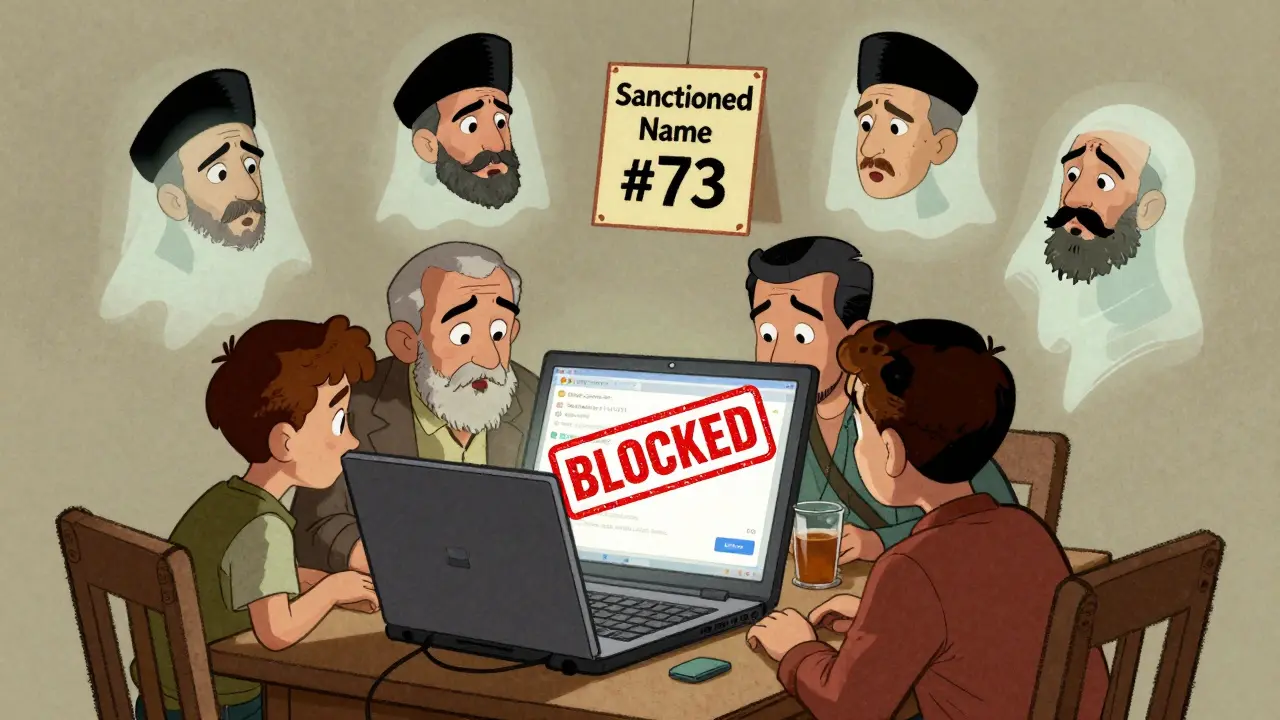
The U.S. Treasury officially removed the Syrian Sanctions Regulations on August 26, 2025. That sounds like a clean break. But buried in the fine print were 139 individuals and entities still blocked under other sanctions programs, mostly tied to the old Assad regime. These aren’t random names. They’re business owners, former officials, and connected shell companies. If you’re sending crypto to someone in Syria, and that person’s name even vaguely matches one on this list? Your transaction gets frozen. No warning. No appeal. Even worse, U.S. banks and crypto exchanges aren’t allowed to guess. They have to be 100% sure. That means every Syrian user now faces enhanced due diligence-more ID, more paperwork, more waiting. Binance, the only major exchange still offering limited service, caps transactions at $500 per transfer. Why? Because one mistake could cost them billions in fines.No Laws, No Clarity, No Protection
Syria has no crypto law. Not one. No ban. No license system. No tax rules. Nothing. That sounds like freedom, but it’s chaos. International exchanges don’t know how to handle Syrian accounts. Do they treat them like Iran? Like Venezuela? Like Cuba? No. Syria is unique: sanctions lifted, but no regulatory framework to replace them. This vacuum means Syrian users are stuck in a legal gray zone. If you buy Bitcoin on Binance, you’re not breaking Syrian law. But if your transaction gets flagged by a U.S. bank because of a past association, your funds vanish. There’s no government to complain to. No regulator to appeal to. Just silence. Compare that to Iran, which has clear crypto rules-even if they’re strict. Or Ukraine, which had a functioning financial system before sanctions lifted. Syria has neither. It’s like being told you can drive again… but all the traffic lights are gone, and the roads are still full of landmines.Banking Is Still Broken
You can’t buy crypto without a way to turn cash into digital assets. In Syria, only three out of twelve major banks have any connection to international payment systems. The rest? Cut off. Even the Commercial Bank of Syria, which was granted a U.S. correspondent account in May 2025, can’t reliably process crypto-related transfers. People are turning to peer-to-peer (P2P) trading. Reddit threads from r/CryptoSyria show users meeting in cafes with cash, or using Jordanian or Lebanese bank accounts as intermediaries. But these workarounds are risky. A community survey from September 2025 found 22% of users lost money this way-either through scams, frozen accounts, or bank reversals. And it’s not just individuals. Crypto businesses trying to operate in Syria face a 14- to 16-week compliance process just to get started. That’s double the time it takes in other emerging markets. Why? Because they have to screen against 13 separate U.S. sanctions lists, monitor for hidden connections, and keep audit-ready records-all without any local guidance.
What Gets Blocked? Even Mining Equipment
It’s not just about sending money. It’s about building infrastructure. The U.S. still controls exports under the Export Administration Regulations. If you want to set up a Bitcoin mining rig in Damascus, you need special permission to import the hardware. ASIC miners, GPUs, cooling systems-even the software that runs them-are on the Commerce Control List. Without a license, you’re breaking U.S. law, even if Syria doesn’t care. That’s why crypto adoption in Syria is slow. It’s not because people don’t want it. Chainalysis estimates 1.2 million Syrians-6% of the population-have used crypto since July 2025. But most use it for remittances, not mining or trading. They need to get money from family abroad. They don’t need to become crypto investors.Real User Stories: Frustration, Not Freedom
Trustpilot reviews from Syrian Binance users show an average rating of 2.8 out of 5. The top complaints? “Account frozen during verification.” “Why won’t you accept my ID?” “I sent $400 and it disappeared.” One user, who goes by @SyriaCrypto2025 on Reddit, described spending three weeks submitting documents-passport, utility bill, selfie with ID, proof of address, bank statement-only to get a message: “We cannot verify your background due to residual sanctions.” He never got a reason why. He still doesn’t know if it was his uncle’s old business or his grandfather’s name on a 20-year-old property deed. Another user tried to use a Jordanian SIM card to bypass location restrictions. His account was locked within 48 hours. The message? “Suspicious activity detected. Your IP address correlates with a sanctioned jurisdiction.”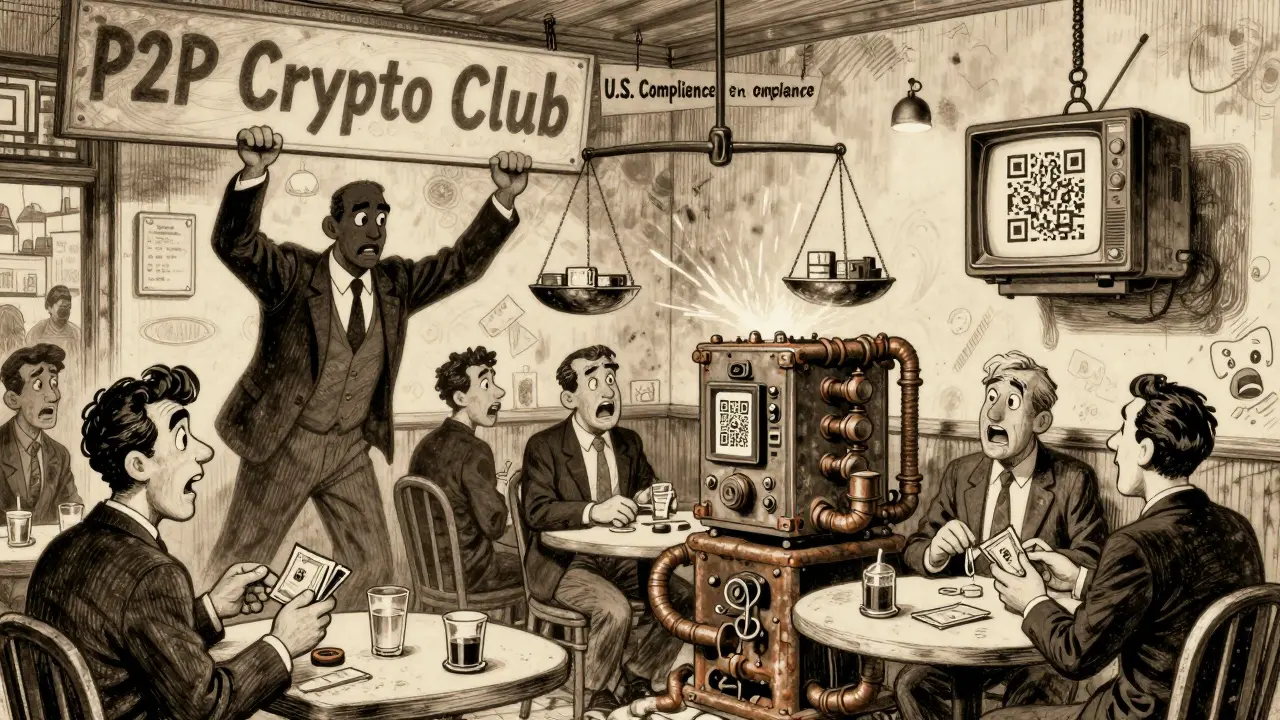

sonia sifflet
December 8, 2025 AT 14:08Chris Jenny
December 9, 2025 AT 10:07Mairead Stiùbhart
December 10, 2025 AT 08:56ronald dayrit
December 12, 2025 AT 07:27Madison Agado
December 12, 2025 AT 11:19Richard T
December 12, 2025 AT 21:29Chris Mitchell
December 13, 2025 AT 13:11nicholas forbes
December 14, 2025 AT 02:29Shane Budge
December 14, 2025 AT 08:50Jonathan Sundqvist
December 14, 2025 AT 10:59Thomas Downey
December 15, 2025 AT 14:10Annette LeRoux
December 17, 2025 AT 06:21Jerry Perisho
December 18, 2025 AT 02:21Manish Yadav
December 19, 2025 AT 13:19Vincent Cameron
December 19, 2025 AT 17:38Krista Hewes
December 20, 2025 AT 23:14Noriko Robinson
December 22, 2025 AT 06:17Doreen Ochodo
December 23, 2025 AT 07:11Yzak victor
December 25, 2025 AT 03:32Holly Cute
December 26, 2025 AT 13:45Roseline Stephen
December 27, 2025 AT 16:28