
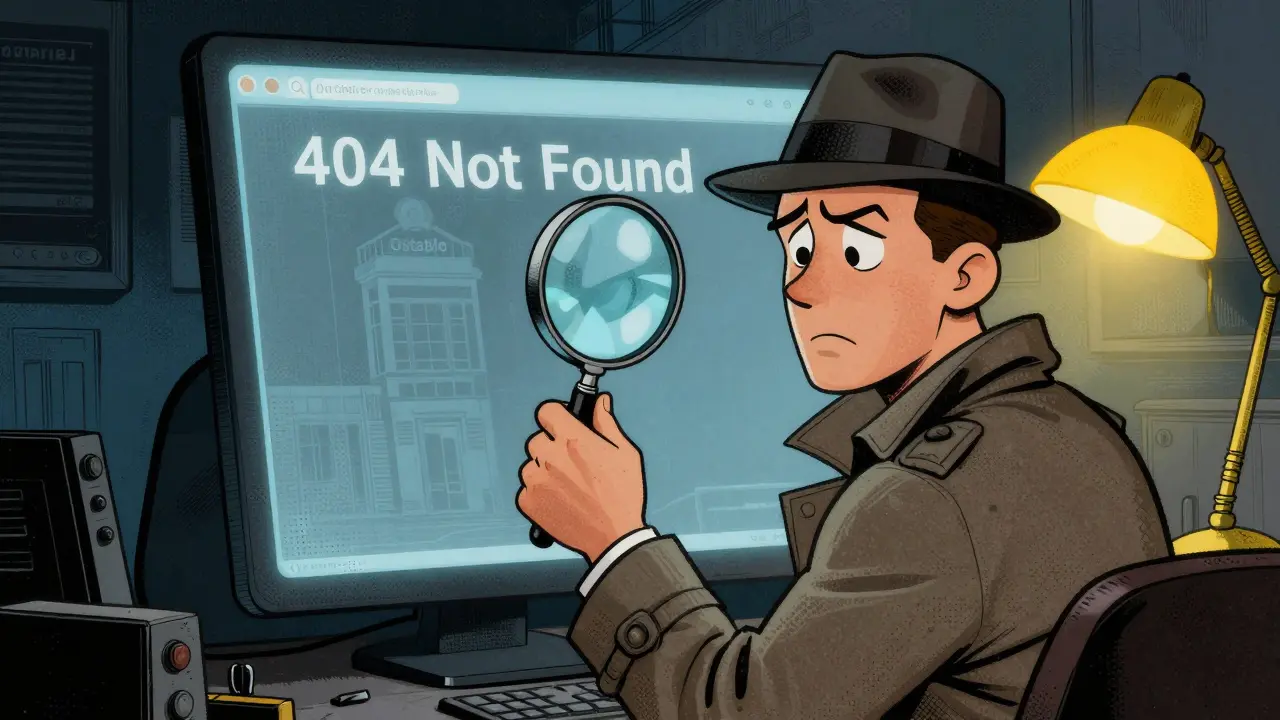
If you've been searching for Ostable crypto exchange and coming up empty, you aren't alone. In the fast-moving world of digital assets, a new name pops up every day, but not all of them are real. After a deep dive into global market databases, regulatory filings, and tracking platforms like CoinGecko and CoinMarketCap, there is a striking reality: Ostable does not exist as a recognized cryptocurrency exchange. Whether it's a typo for another platform or a conceptual project that never launched, there is no verified entity by this name operating in the market as of 2026.
When you encounter a platform that has no digital footprint, no official documentation, and zero credible user reviews, it's a massive red flag. In an industry where trust is everything, the absence of a track record is usually a sign to stay away. However, this serves as a perfect teaching moment. If you were looking for Ostable because you wanted a secure place to trade, you need to know what actually makes an exchange safe. Let's look at the gold standards for the industry so you can spot the difference between a legitimate powerhouse and a potential ghost site.
What Actually Makes a Crypto Exchange Safe?
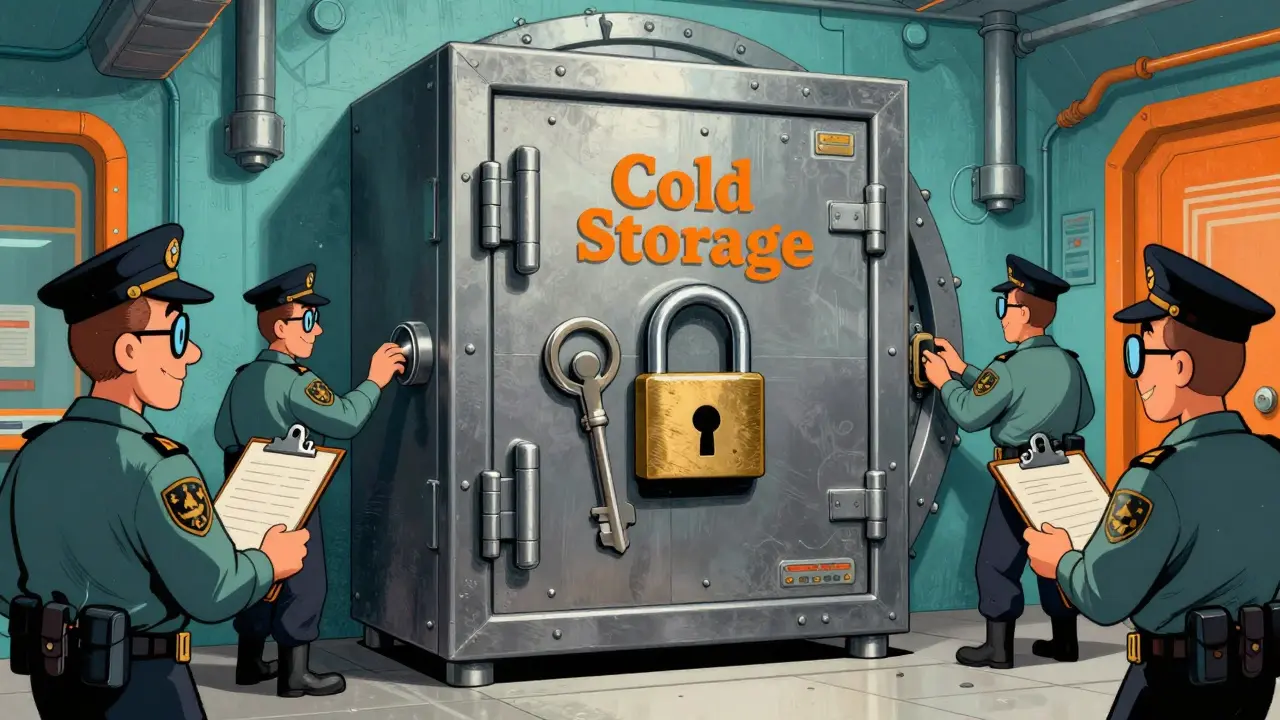
Since Ostable isn't a viable option, you should look for platforms that prioritize a multi-layered security architecture. A legitimate exchange doesn't just put your money in a digital vault; they use a combination of hot and cold storage. Cold Storage is the practice of keeping cryptocurrency private keys offline to prevent hacking.
For example, Coinbase is known for storing 98% of customer assets in cold storage. If a platform can't tell you exactly what percentage of their funds are offline, they are creating a massive risk. Most reputable exchanges today aim for at least 90-95% offline reserves. If a site claims to be "the most secure" but lacks a transparency report, it's probably lying.
Beyond storage, look for these technical safeguards:
- AES-256 Encryption: This is the industry standard for protecting wallet private keys.
- FIDO2 Compliance: Look for exchanges that support hardware security keys (like YubiKeys) rather than just SMS-based two-factor authentication, which can be bypassed via SIM swapping.
- Multi-Signature (Multi-sig) Wallets: This requires multiple private keys to authorize a transaction, meaning a single compromised employee can't drain the exchange's funds.
Comparing the Heavy Hitters: Coinbase vs. Kraken vs. Binance
Since you're in the market for an exchange, it's better to stick with the entities that have proven their resilience over a decade. Each of the big players has a different "personality" when it comes to security and usability.
| Feature | Coinbase | Kraken | Binance |
|---|---|---|---|
| Cold Storage % | 98% | High (Industry Std) | Variable |
| Regulatory Standing | Highest (US Licensure) | Strong | Mixed / Challenged |
| Security Focus | Insurance & Compliance | Technical Tools (FIDO2) | Liquidity & Volume |
| Maker Fees | ~0.05% (Standard) | Tiered (0.16%+) | Lowest in Market |
Coinbase is essentially the "safe bet" for beginners. They have massive insurance coverage-roughly $255 million-which acts as a safety net. On the other hand, Kraken is a favorite for the security-conscious crowd because they offer advanced features like global settings time locks, which prevent sudden changes to your account security settings.
Binance handles the most volume, but they've faced more regulatory heat. If you value peace of mind over the lowest possible fee, the regulated US-based or European-compliant platforms are usually the smarter play.
The Hidden Dangers: API Vulnerabilities and Liquidity Traps
It's not just about the front-end website. Most exchange hacks don't happen because someone guessed a password; they happen through the back door. According to recent hacking reports, about 67% of exchange breaches in recent years originated from API vulnerabilities. If you're a power user using bots or third-party software, you must use customizable API key permissions. Never give an API key "Withdrawal" permissions unless it's absolutely necessary.
There is also the issue of liquidity. You might see an exchange with a great interface and low fees, but can they actually pay you out? The Financial Action Task Force (FATF) has noted that over-reliance on cold storage can actually cause problems during market crashes. If an exchange has 99% of funds offline and everyone tries to withdraw at once, the exchange might halt withdrawals because they can't move the cold funds to the hot wallets fast enough. This is a balancing act that only experienced platforms manage well.
How to Spot a Fake Exchange in 5 Minutes
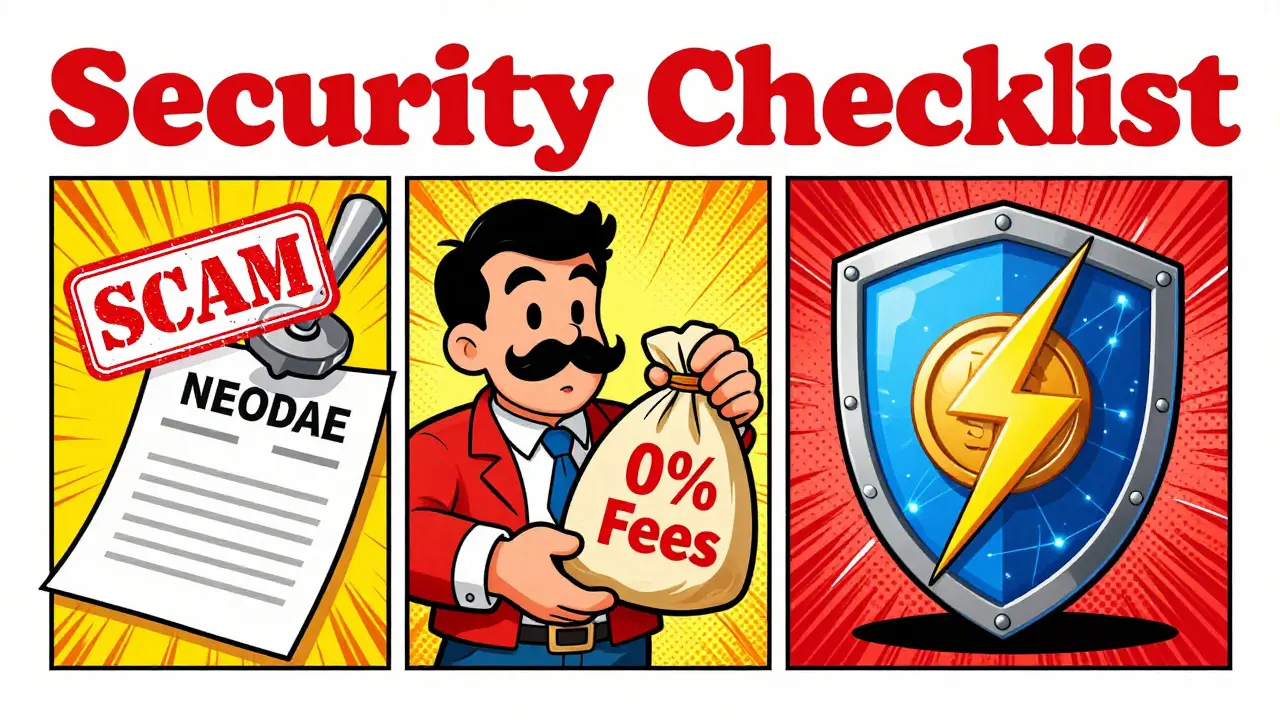
If you find another "Ostable" in the future, use this checklist to determine if it's a scam before you deposit a single cent. A real exchange will always have a visible presence in these areas:
- The License Check: Search for the company in the regulatory database of the country they claim to operate in. If they say they are regulated by the SEC or FCA but aren't listed, they're lying.
- The Social Proof Test: Look for a community on Reddit (like r/CryptoCurrency) or Trustpilot. Don't just look at the star rating-look for specific complaints about withdrawals. If 30% of reviews mention "withdrawal frozen," run.
- The Domain Age: Use a WHOIS lookup. If the exchange claims to have been around for years but the domain was registered three weeks ago, it's a scam.
- The KYC Process: Real exchanges like Kraken or Coinbase have a rigorous KYC (Know Your Customer) process. While it's annoying to wait 14 to 28 hours for verification, a platform that lets you trade $10,000 with just an email address is usually a front for money laundering or a rug-pull scheme.
- The "Too Good to Be True" Fee: If the fees are 0% or they offer a guaranteed 10% daily return, it is a Ponzi scheme. Period.
The Future of Trading: AI and Quantum Resistance
As we move through 2026, the goalposts for security are shifting. We are seeing the rise of quantum-resistant cryptography. Kraken, for instance, began implementing these measures in late 2025 to protect cold storage from future quantum computing threats. If you're thinking long-term (5-10 years), you want a platform that is already thinking about the "Quantum Apocalypse."
We are also seeing AI-driven fraud detection. The next generation of exchanges is moving toward systems that can analyze a million transactions per second to spot patterns of theft before the money even leaves the wallet. This level of tech requires billions in investment, which is why the gap between the top 10 exchanges and the thousands of tiny, unknown platforms is widening. Small, unverified platforms simply cannot afford this level of security.
Is Ostable a legitimate cryptocurrency exchange?
No. Based on all available industry data, regulatory filings, and tracking platforms such as CoinMarketCap and CoinGecko, Ostable does not exist as a recognized or legitimate cryptocurrency exchange. Exercise extreme caution if you encounter a website using this name.
What is the safest way to store crypto if I don't trust exchanges?
The safest method is using a hardware wallet (cold storage), such as Ledger or Trezor. This ensures that your private keys never touch the internet, removing the risk of exchange hacks or platform insolvency.
How can I tell if a crypto exchange is a scam?
Look for red flags: lack of regulatory licensing, no KYC process, guaranteed high returns, a very new domain name, and an absence of discussions on reputable forums like Reddit. Legitimate exchanges are transparent about their cold storage percentages and security audits.
Which exchange has the best security for 2026?
Coinbase is generally rated highest for regulatory compliance and insurance, while Kraken is praised for its technical security tools like FIDO2 and quantum-resistant cold storage. The "best" depends on whether you prioritize legal protection or technical hardening.
Why do some exchanges freeze withdrawals?
Withdrawals are usually frozen for two reasons: either the exchange is facing a liquidity crisis (not enough funds in "hot wallets" to meet demand) or they are conducting a security audit due to a suspected breach. Regulated exchanges are less likely to do this without a clear explanation.

Jan Conrad
April 27, 2026 AT 15:43The point about API permissions is huge. Most people just click 'allow all' when they set up a trading bot and basically hand over the keys to their house to a random piece of software. You should always double-check that the 'Withdrawal' checkbox is unchecked on your API keys.
Aaron Zeiler
April 27, 2026 AT 22:05sim swapping is the real killer here. if you arent using a hardware key you are basically playing russian roulette with your portfolio
Emily A
April 29, 2026 AT 10:04It is quite amusing that some individuals still believe an email address is sufficient for security. A legitimate KYC process is not merely a formality; it is a legal necessity for any institution that intends to operate within a regulated framework. Those who complain about the verification time are simply admitting they lack the patience required for serious investing.
VIVEK SINGH
April 29, 2026 AT 18:36Imagine actually searching for a platform called 'Ostable' and thinking it's a real thing. Truly, the depths of human gullibility are a fascinanting void. It's almost poetic how people crave 'stability' so much they'll trust a ghost site just because it sounds safe. Peak comedy right there.
Lloyd I
April 30, 2026 AT 22:09I love how this post breaks down the red flags! It's so important for the community to stay educated so everyone can grow their portfolios safely together. Let's keep pushing for more transparency in the industry!
Rushell Perry
May 1, 2026 AT 14:46definitely go for a ledger or trezor if you have a significant amount of holdings. not your keys not your coins is the only rule that actually matters in the end
its me
May 2, 2026 AT 13:07We must ask ourselves if the pursuit of digital wealth has stripped us of our basic intuition. The moral decay of the modern investor is evident when we trust algorithms over our own common sense. It's a spiritual failure as much as a financial one.
Felix Eduardo Velasquez
May 2, 2026 AT 14:13The mention of quantum resistance is the most critical part of this discussion. While most traders are obsessed with today's fees, the actual systemic risk is the future viability of elliptic curve cryptography. If an exchange isn't preparing for the post-quantum era, they are essentially building a fortress out of cardboard. We are seeing a shift where technical hardening becomes the only real moat against total systemic collapse.
Arti Jain
May 4, 2026 AT 06:18Utterly pathetic that people need a checklist to spot a scam. Use your brain.
Harvey Alford
May 4, 2026 AT 20:29My cousin lost five grand on a site just like this. It's heartbreaking.
Carli Bates
May 5, 2026 AT 08:15oh look another guide on how to not get scammed by a website that doesnt exist lol. truly groundbreaking stuff here. i guess some people really need a map to find the front door
Ipsita Seal
May 5, 2026 AT 12:14Too long. Just use a big exchange and stop overthinking it.
Ralph Espinosa
May 7, 2026 AT 06:18I completely agree with the author's assessment of the liquidity trap!!! It is so easy to overlook the trade-off between cold storage and withdrawal speed, but that is exactly where the danger lies during a panic!!! Always keep a small amount in a hot wallet for immediate needs, but keep the bulk of your assets offline!!!
Gabby Puche
May 8, 2026 AT 08:42Stay safe everyone! 🛡️✨ Trusting your gut is the best tool we have! 🚀💎
Lynne Teperman
May 9, 2026 AT 21:42the digital wilderness is a wild place indeed. just a little spice of caution goes a long way in these neon corridors
Rachel S
May 10, 2026 AT 10:48It is absolutely harrowing to consider the number of inexperienced investors who fall prey to these phantoms!
The lack of a digital footprint should be an immediate deterrent, yet people persist in their naivety! It is truly a tragedy of the digital age! 😱