
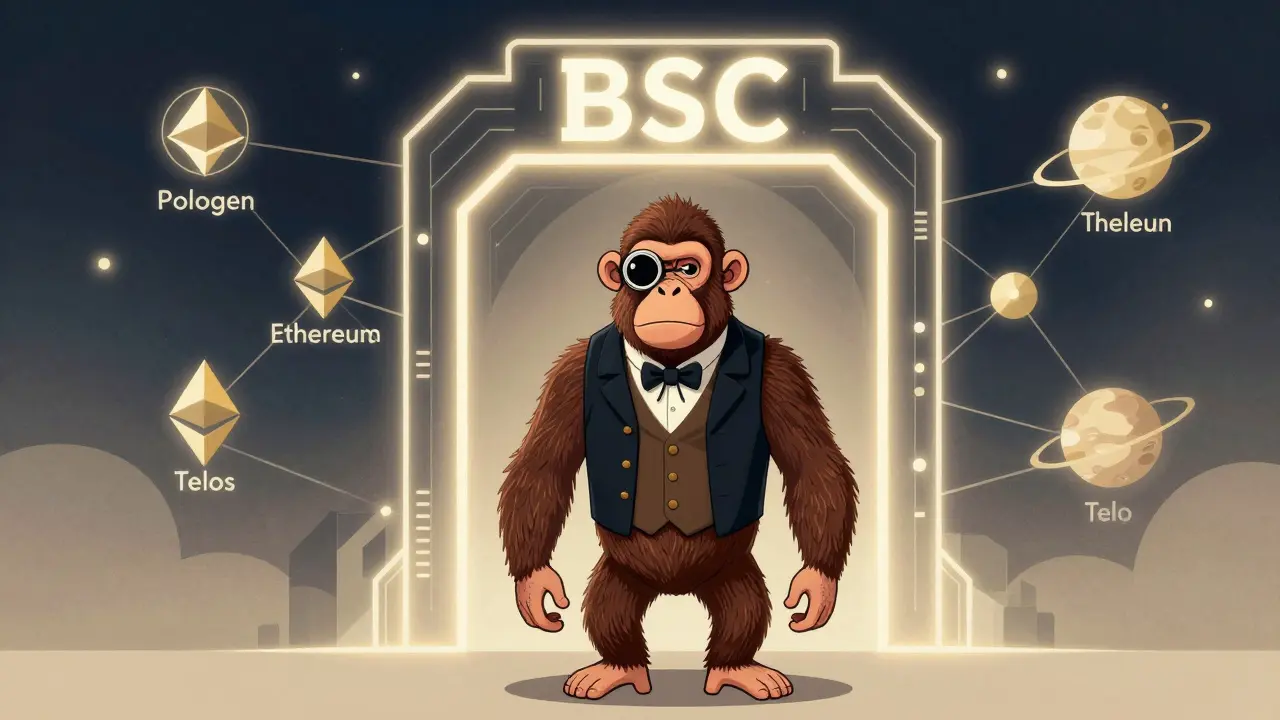
Remember when connecting your wallet to a decentralized exchange felt like walking through a minefield? You’d see high APYs flashing on the screen, but you had no idea if the contract was safe or if you were about to lose everything. That’s exactly where ApeSwap sits today. It’s not the biggest name in town-PancakeSwap still holds that crown on Binance Smart Chain-but it’s built something different. ApeSwap offers a suite of tools that go beyond simple swapping, aiming to turn your idle crypto into a working asset through lending, staking, and yield farming.
If you’re looking for a quick place to swap tokens with zero friction, this might not be your first stop. But if you want to understand how to leverage liquidity pairs, earn from Treasury Bills, and navigate the multi-chain ecosystem without getting lost, this review breaks down what actually works and what doesn’t.
What Exactly Is ApeSwap?
At its core, ApeSwap Finance is a decentralized exchange (DEX) launched primarily on the Binance Smart Chain (BSC). Think of it as a fork of PancakeSwap, which means it shares similar underlying code and user interface logic. However, calling it just a clone misses the point. The founders, known in the community as Ape Guru and Obie Dobo, expanded the platform to include lending protocols, yield aggregators, and cross-chain functionality.
The platform operates via two main utility tokens: BANANA and GNANA. BANANA is the primary governance and reward token, while GNANA serves specific functions within their ecosystem partnerships. Unlike centralized exchanges where a company holds your funds, ApeSwap is non-custodial. You connect your wallet-usually MetaMask or Trust Wallet-and interact directly with smart contracts. This gives you full control over your assets but also puts the responsibility squarely on your shoulders.
As of 2026, ApeSwap has expanded beyond BSC to support networks like Polygon, Ethereum, and Telos. This multi-chain approach allows users to access liquidity pools across different ecosystems without needing to bridge assets manually every time they want to farm yields.
Core Features: More Than Just Swapping
Most DEXes start with trading, but ApeSwap tries to keep you engaged by offering several financial instruments. Here’s how those features actually perform in practice:
- Token Swapping: The interface is clean and intuitive. If you’ve used PancakeSwap, you’ll feel right at home. Transaction speeds are fast thanks to BSC’s infrastructure, and fees are generally low compared to Ethereum mainnet swaps.
- Liquidity Pools: ApeSwap currently supports around 107 liquidity pairs. While this isn’t as extensive as PancakeSwap’s hundreds of pairs, it covers major assets like BNB, BUSD, CAKE, and NUTS. Providing liquidity earns you LP tokens, which can then be staked for rewards.
- Yield Farming: This is where things get interesting. Staking percentages can reach up to 100% APY for certain pairs. For example, the BNB/BUSD pair has historically offered returns between 300-400% APY during peak promotional periods. These numbers look incredible on paper, but they fluctuate based on total value locked (TVL) and emission rates.
- Lending Network: Similar to Aave or Compound, ApeSwap allows you to lend out your crypto to earn interest or borrow against your holdings. This adds a layer of utility for users who want to leverage their positions without selling them.
- Treasury Bills: A unique feature where you deposit LP tokens to receive discounted BANANA or partner tokens that vest over time. It’s essentially a way to lock up liquidity for longer-term gains.
ApeSwap vs. PancakeSwap: The Real Comparison
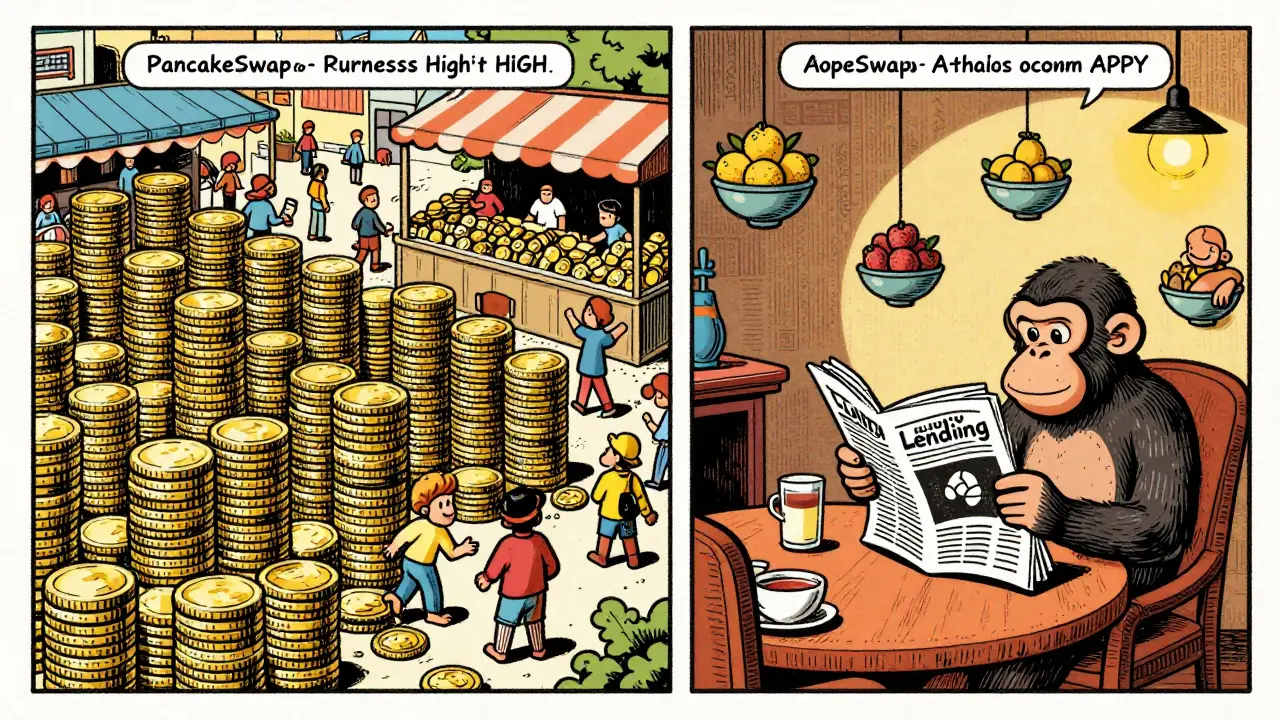
You can’t talk about ApeSwap without mentioning its big brother. Both platforms operate on BSC, both use an AMM (Automated Market Maker) model, and both offer yield farming. So why choose one over the other?
| Feature | ApeSwap | PancakeSwap |
|---|---|---|
| Trading Volume | Moderate | Very High |
| Liquidity Pairs | ~107 | 500+ |
| Yield Farming APY | High (up to 400%) | Moderate to High |
| Multi-Chain Support | BSC, Polygon, Ethereum, Telos | Primarily BSC |
| Lending Protocol | Yes (Integrated) | No (Separate partners) |
| Slippage Risk | Higher (due to lower depth) | Lower (deep liquidity) |
PancakeSwap wins on volume and liquidity depth. If you’re moving large amounts of capital, the slippage on ApeSwap could eat into your profits. However, ApeSwap offers higher competitive advantages for smaller players. Because there’s less competition for liquidity mining rewards, you might find better entry points into new farms before they become saturated. Plus, the integrated lending network saves you from hopping between different DeFi apps.
Security and Trust: Should You Worry?
In DeFi, security isn’t just a feature-it’s the foundation. ApeSwap has undergone audits by Paladin, a reputable security firm. Their smart contracts have been reviewed for vulnerabilities, which is a good sign. However, audits don’t guarantee immunity from exploits forever. Code evolves, and new attack vectors emerge.
The platform is governed by a Decentralized Autonomous Organization (DAO), meaning token holders vote on key decisions. This reduces the risk of a single founder making unilateral changes that could harm users. Still, always remember: past performance doesn’t predict future safety. Before locking significant funds, check recent audit reports and monitor community forums for any red flags.
User Experience: Who Is This For?
Let’s be honest: ApeSwap isn’t designed for absolute beginners. If you’ve never connected a wallet to a DEX, the learning curve will be steep. You’ll need to understand concepts like gas fees, slippage tolerance, and impermanent loss.
That said, once you’re comfortable with DeFi basics, the interface is surprisingly user-friendly. Navigation is logical, and the dashboard clearly shows your active positions, pending rewards, and available options. Users appreciate the straightforward setup process, especially compared to more complex aggregators. However, complaints often center around limited cryptocurrency options compared to centralized exchanges like Binance or Coinbase. If you’re looking to trade obscure altcoins, you might hit a wall.
Risks and Pitfalls to Avoid
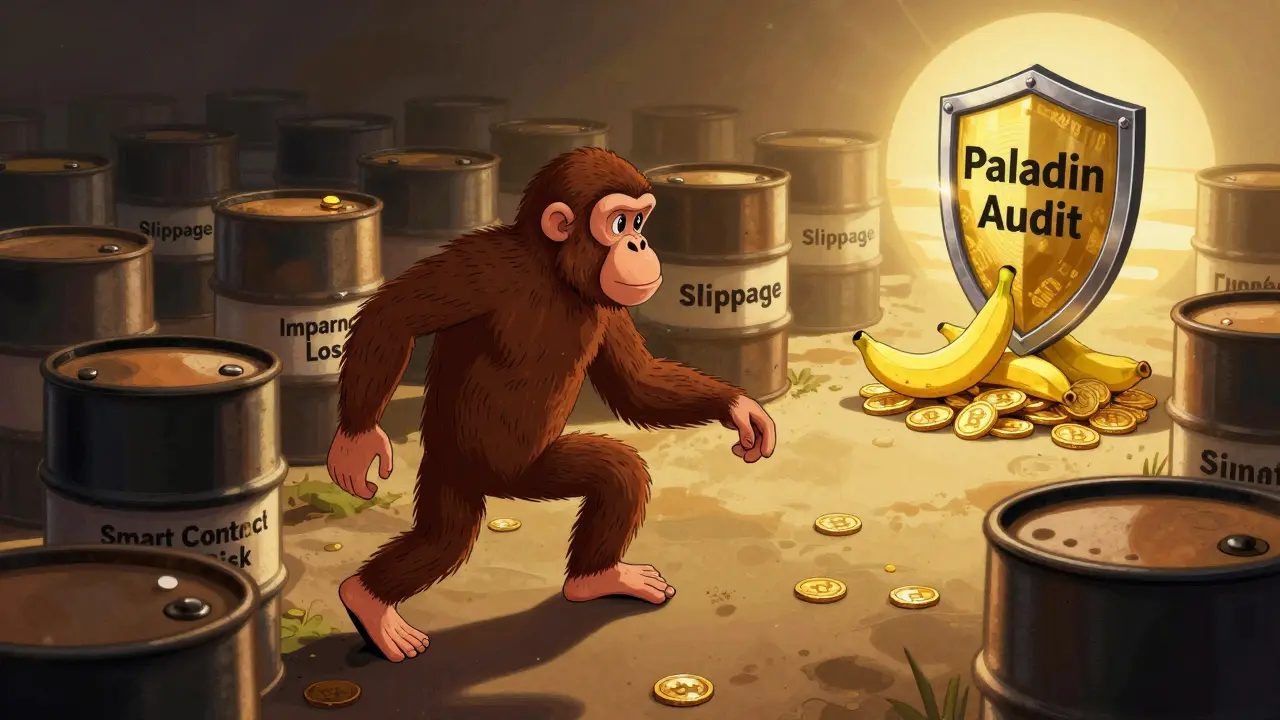
High yields come with high risks. Here’s what you need to watch out for:
- Impermanent Loss: When providing liquidity, if the price of one token changes significantly relative to the other, you may end up with less value than if you had just held the tokens. This is common in all AMMs, not just ApeSwap.
- Smart Contract Risk: Despite audits, bugs can exist. Never invest more than you can afford to lose.
- Market Volatility: The BANANA token itself is highly volatile. Price predictions vary wildly-from fractions of a cent to double-digit dollars depending on the analyst. Don’t base your strategy solely on price forecasts.
- Slippage: Due to lower liquidity depth, large trades can result in poor execution prices. Use limit orders if possible, or break large swaps into smaller chunks.
Final Verdict: Is ApeSwap Worth It?
ApeSwap carves out a solid niche in the BSC ecosystem. It’s not trying to replace PancakeSwap; instead, it complements it by offering specialized tools like lending and treasury bills alongside robust yield farming opportunities. If you’re an intermediate DeFi user looking to diversify your strategies beyond simple swapping, ApeSwap provides a compelling toolkit.
For beginners, I’d recommend starting small. Connect your wallet, explore the interface, and maybe try a small swap before diving into liquidity pools. Understand the mechanics of impermanent loss and gas costs. As you gain confidence, you can experiment with staking BANANA or participating in lending markets.
The platform’s multi-chain expansion suggests long-term viability, but success depends on maintaining liquidity and attracting consistent trading volume. Keep an eye on their DAO proposals and development updates-they often signal where the next big opportunities lie.
Is ApeSwap safe to use?
ApeSwap has been audited by Paladin and uses secure smart contracts, but no DeFi platform is 100% immune to risks. Always do your own research, start with small amounts, and ensure your private keys are kept secure. The platform’s DAO governance adds a layer of transparency, but users should remain cautious of potential smart contract vulnerabilities.
How does ApeSwap compare to PancakeSwap?
While both are BSC-based DEXes, PancakeSwap has higher trading volumes and deeper liquidity, making it better for large trades. ApeSwap offers higher APYs on certain farms, integrated lending services, and multi-chain support (Polygon, Ethereum, Telos). Choose ApeSwap for yield optimization and diverse DeFi tools; choose PancakeSwap for liquidity and ease of large-volume trading.
What is the BANANA token used for?
BANANA is the native utility and governance token of ApeSwap. It’s used for staking rewards, voting in the DAO, accessing exclusive features like Treasury Bills, and earning incentives in liquidity pools. Holding BANANA aligns your interests with the platform’s growth.
Can I use ApeSwap on mobile devices?
Yes, ApeSwap is fully responsive and works well on mobile browsers. You can connect wallets like MetaMask or Trust Wallet directly from your phone. However, ensure you’re using the official website URL to avoid phishing sites, which are common in the crypto space.
Are there fees for using ApeSwap?
Yes, there are transaction fees. Standard swap fees are typically 0.17% per trade, similar to other BSC DEXes. Liquidity providers earn these fees proportional to their share of the pool. Additionally, you’ll pay network gas fees for transactions on BSC, which are generally very low compared to Ethereum.
