
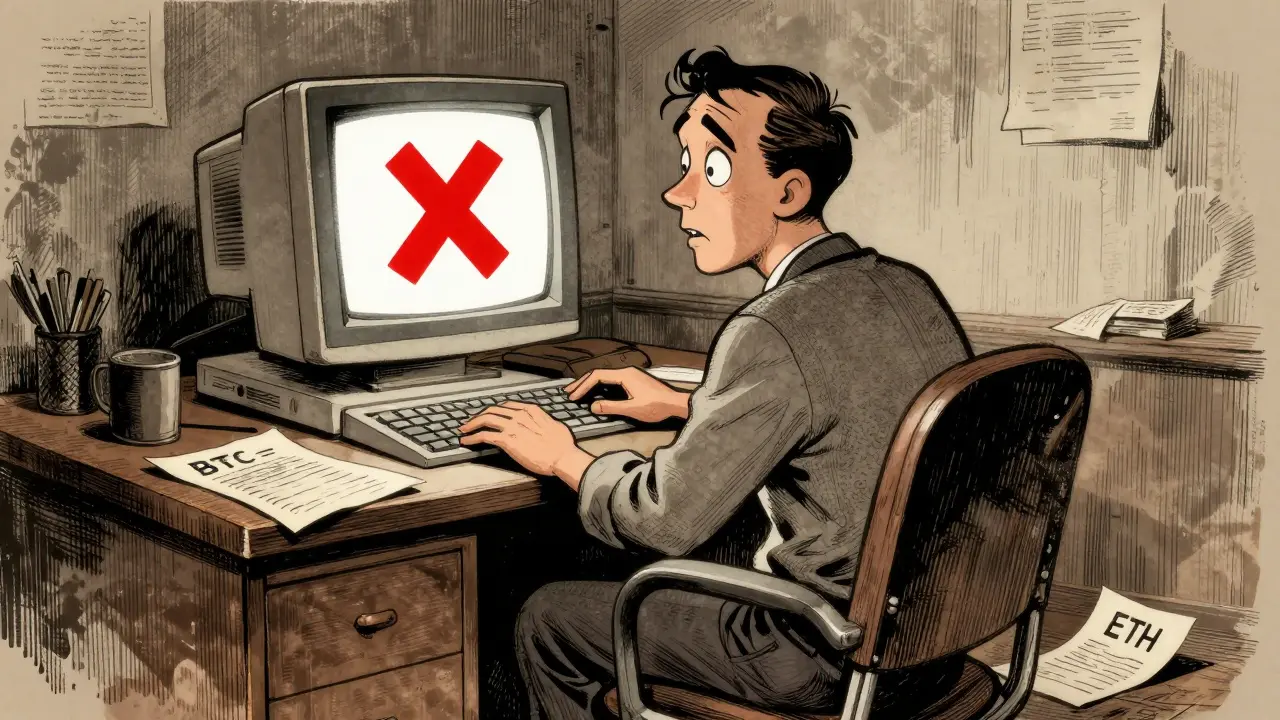
Imagine logging into your favorite trading platform to find your entire portfolio gone. Not a dip in value, not a market crash-just empty. This is exactly what happened to users of Altsbit, an Italian cryptocurrency exchange that ceased operations following a catastrophic security breach in February 2020. For anyone researching this platform today, the answer is simple: Altsbit no longer exists. It was shut down permanently after hackers drained its hot wallets, leaving users with little recourse and significant losses.
If you are reading this review because you found an old bookmark or heard the name in passing, you need to know one thing immediately: do not attempt to deposit funds here. The platform is defunct. However, the story of Altsbit serves as a critical case study in cryptocurrency security. By examining how a small exchange failed so spectacularly, we can learn vital lessons about protecting our own digital assets in 2026.
The Rise and Fall of Altsbit
Altsbit operated as a centralized cryptocurrency exchange based in Italy. While exact founding dates are murky, the platform was active prior to 2020, catering to a niche audience interested in specific altcoins. Unlike giants like Binance or Coinbase, Altsbit did not have deep pockets or a massive marketing budget. It was described by industry observers as a "tiny Italian exchange" serving a limited user base.
The platform supported several digital assets, including:
- Bitcoin (BTC)
- Ethereum (ETH)
- Komodo (KMD)
- VerusCoin (VRSC)
- Pirate Chain (ARRR)
This mix of major coins and privacy-focused or niche altcoins suggests Altsbit targeted traders looking for lower-fee alternatives or specific token pairs not available on larger platforms. But convenience never outweighed security when the latter was absent.
The February 2020 Hack: A Timeline of Failure
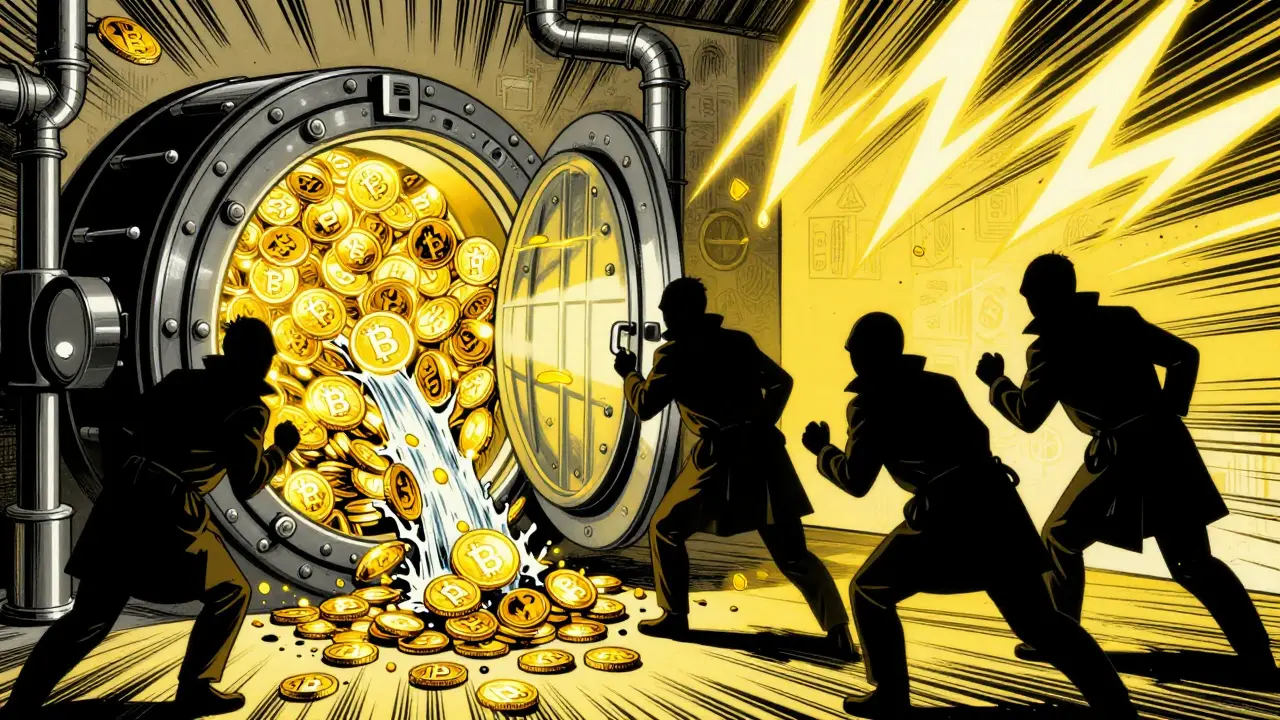
The end of Altsbit came abruptly on February 6, 2020. According to forensic analysis by Bytwork, hackers gained overnight access to the exchange's hot wallets. These are the online-connected wallets used for immediate trading liquidity. Because they are connected to the internet, they are inherently vulnerable if not properly secured.
The theft was comprehensive. Verified stolen assets included:
- 6,929 BTC
- 2,321 ETH
- 1,066 KMD
- 414,154 VRSC
- 3,924,082 ARRR
At the time, these holdings represented between $27,000 and $70,000 in value, depending on fluctuating market prices. While this might sound small compared to multi-billion dollar hacks like Mt. Gox, it was catastrophic for a small exchange. Altsbit announced its closure just four days later, on February 10, 2020. The company claimed it would reimburse users using funds from cold wallets (offline storage), but this promise was never fulfilled. The platform simply vanished.
Why Altsbit Failed: Security Shortcomings
What went wrong? The post-mortem analysis reveals a lack of basic security infrastructure that is now standard in the industry. In 2026, reputable exchanges implement multiple layers of protection. Altsbit lacked most of them.
| Feature | Altsbit (2020) | Industry Standard (2026) |
|---|---|---|
| Cold Storage Ratio | Insufficient/Unknown | 95%+ of assets offline |
| Proof of Reserves | None | Regular third-party audits |
| Multi-Signature Wallets | Not documented | Mandatory for withdrawals |
| Real-Time Monitoring | Absent | AI-driven fraud detection |
| Regulatory Compliance | Unclear/Patchy | KYC/AML/CySEC/FCA oversight |
The absence of multi-signature technology meant that a single compromised key could authorize massive transfers. Without proof-of-reserves audits, users had no way to verify if their funds actually existed on the blockchain. And without robust real-time monitoring, the hack went unnoticed until it was too late. This contrasts sharply with modern platforms like MEXC or OKX, which invest heavily in Web3 interoperability and dedicated cybersecurity units.
User Experience and Loss of Funds
For the users who trusted Altsbit, the experience was devastating. Most had "almost all" their customer coins stolen. The exchange’s claim that it would use cold wallet reserves to reimburse victims rang hollow given the immediate shutdown. There were no refunds, no compensation plans, and no legal recourse for many international users.
This incident highlights the concept of counterparty risk. When you leave your crypto on an exchange, you are trusting that entity to keep it safe. If that entity fails, you lose control. Non-custodial solutions, where you hold your own private keys, eliminate this risk entirely. Platforms like Swapuz emphasize this non-custodial model to protect users from exactly this type of failure.

Lessons for Today’s Traders
So, why does a 2020 hack matter in 2026? Because the principles remain the same. Small, unregulated exchanges still exist, and they still pose risks. Here is how to avoid becoming the next victim:
- Check for Proof of Reserves: Does the exchange publish regular, audited proofs that they hold your assets? If not, be wary.
- Use Cold Storage: Never keep long-term holdings on any exchange. Use hardware wallets like Ledger or Trezor.
- Verify Regulation: Stick to exchanges licensed in reputable jurisdictions (e.g., EU, UK, US). Look for KYC and AML compliance.
- Diversify Risk: Do not put all your eggs in one basket. Spread funds across multiple reputable platforms.
- Enable 2FA: Always use authenticator apps, not SMS, for two-factor authentication.
Reputable platforms like Coinbase, Kraken, and Binance offer 24/7 customer support, extensive educational resources, and advanced security features. They have survived because they prioritize safety over speed. Altsbit prioritized neither, and it paid the ultimate price.
Current Status: Is Altsbit Back?
No. As of June 2026, Altsbit remains permanently closed. Any website claiming to be Altsbit is likely a phishing scam designed to steal your credentials. The domain may have been sold or repurposed, but the original exchange is dead. Cryptowisser’s database lists it only for archival purposes, alongside hundreds of other defunct platforms.
If you are looking for a place to trade Bitcoin, Ethereum, or niche altcoins like VerusCoin or Pirate Chain, look elsewhere. Choose established platforms with transparent security practices. Your financial safety depends on it.
Is Altsbit still operational in 2026?
No, Altsbit ceased operations permanently in February 2020 following a major security hack. It is no longer active, and any site using its name is likely fraudulent.
How much money was stolen in the Altsbit hack?
Approximately 6,929 BTC and 2,321 ETH were stolen, along with significant amounts of Komodo, VerusCoin, and Pirate Chain. The total value ranged between $27,000 and $70,000 at the time of the breach.
Did Altsbit reimburse its users?
No. Although the exchange claimed it would use cold wallet reserves to compensate users, it shut down immediately after the hack and never fulfilled this promise.
Why did Altsbit fail while other exchanges survived?
Altsbit lacked essential security measures such as multi-signature wallets, proof-of-reserves audits, and sufficient cold storage. Larger, regulated exchanges invest heavily in cybersecurity and compliance, reducing the risk of total collapse.
What should I do if I still have funds on Altsbit?
Unfortunately, there is nothing you can do. The exchange is closed, and its servers are offline. Treat this as a lost investment and focus on securing your future trades on reputable, regulated platforms.
