
Ever wondered what actually powers the digital collectibles you see popping up in your feed? It’s not just magic; it’s infrastructure. Forj, formerly known as Bondly, is a cryptocurrency project that has rebranded to focus on powering the next generation of digital collectibles, NFTs, and Web3 experiences. If you’ve been hearing whispers about BONDLY and wondering if it’s worth your attention, you’re in the right place. This isn’t just another token with a cool logo. It’s trying to solve the messy problem of connecting different blockchains so that brands, artists, and gamers can actually use NFTs without needing a PhD in computer science.
The Rebrand: From Bondly to Forj
Let’s clear up the name confusion first. The project started as Bondly, but recently shifted its identity to Forj. Why? Because "Bondly" sounded like a financial product, while "Forj" suggests forging something new-specifically, the future of Web3. The core mission remains the same: bridging the gap between traditional industries and blockchain technology. They operate across multiple networks, including Ethereum, Polygon, and Binance Smart Chain. This multi-chain approach is crucial because no single blockchain dominates every use case anymore. You need flexibility.
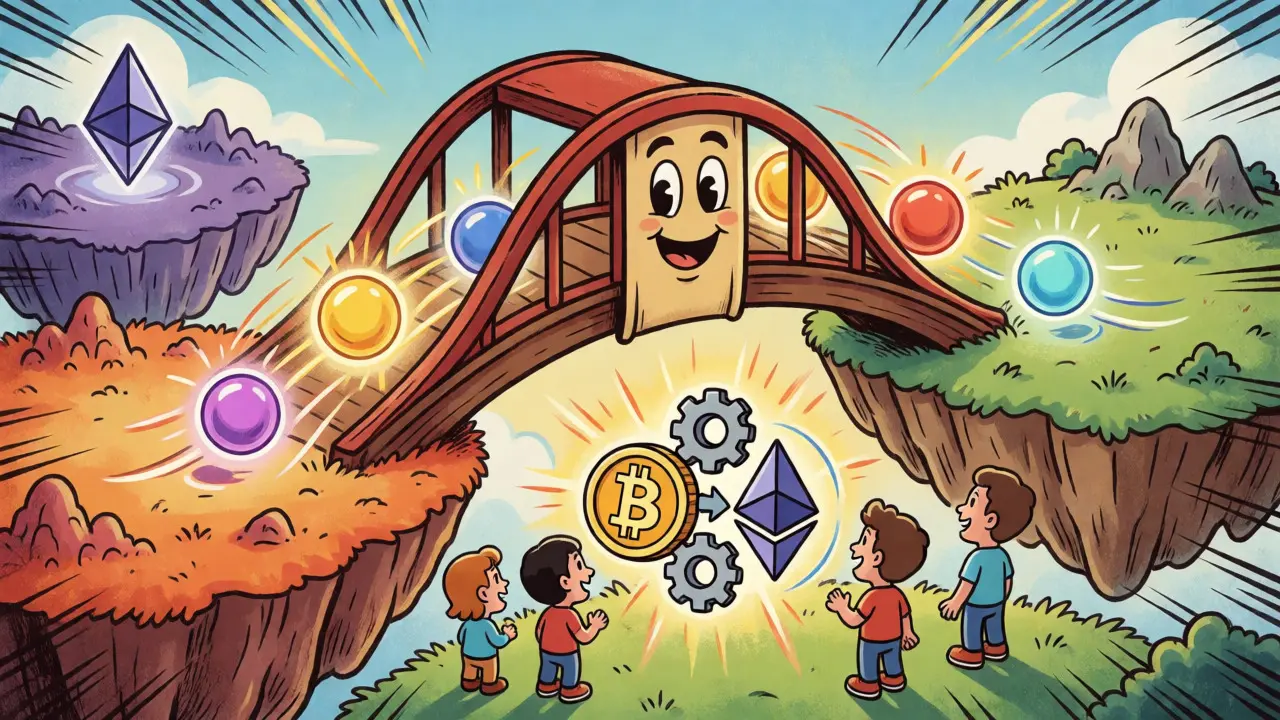
Think of Forj as a translator for blockchains. Without it, moving assets or data between these networks is often clunky, expensive, or requires trusting a central intermediary. Forj aims to make this seamless through its proprietary tech stack. But how does that translate to value for the average holder of the BONDLY token? That’s where the utility comes in.
What Does the BONDLY Token Actually Do?
Tokens need jobs. If they don’t have one, they’re just speculative assets waiting to drop. The BONDLY token serves two primary functions within the Forj ecosystem:
- Access: Holding BONDLY gives you access to exclusive sales on the Forj Launchpad. This means early opportunities to buy into new NFT projects or partnerships before they hit the open market.
- Governance: You get voting rights. As a holder, you participate in decision-making processes regarding the direction of the project. This decentralized governance model ensures the community has a say in major updates.
As of late August 2026, the circulating supply sits at approximately 980 million tokens. While the price fluctuates daily, recent data shows a modest uptick in trading volume, hovering around $83,000 in 24-hour trades. It’s not the highest liquidity in the market, which tells you this is still a niche player compared to giants like Ethereum or Solana. But for those interested in specific NFT infrastructure plays, that lower cap can mean higher upside potential-if the team executes their roadmap.
The Tech Stack: BONDSwap and BOND DEX
You might be asking, "How do they actually connect these blockchains?" The answer lies in two key technologies: BONDSwap (BSWAP) and BOND DEX.
BONDSwap is essentially a cross-chain swap system. It allows for cryptographically secured over-the-counter trades between cryptocurrencies running on completely different blockchains. The critical feature here is atomicity. In plain English, this means a transaction either happens entirely or not at all. There are no partial executions where you lose one side of the trade. This solves a massive pain point in DeFi (Decentralized Finance), where previous attempts at cross-chain swaps were often too technical or prone to failure.
Building on this, BOND DEX is a fully decentralized exchange that is blockchain-agnostic. Unlike many exchanges that only work within one network (like Uniswap on Ethereum), BOND DEX lets users anonymously swap assets across different chains seamlessly. It uses an automated liquidity engine pegged to market values via Oracle services like DOS Network. This setup allows for innovative token pairs, such as native BTC/ETH swaps, without relying on wrapped derivatives like WBTC. That’s a big deal for traders who want direct exposure without the extra layer of smart contract risk.
Verticals: Education, Metaverse, Gaming, and Music
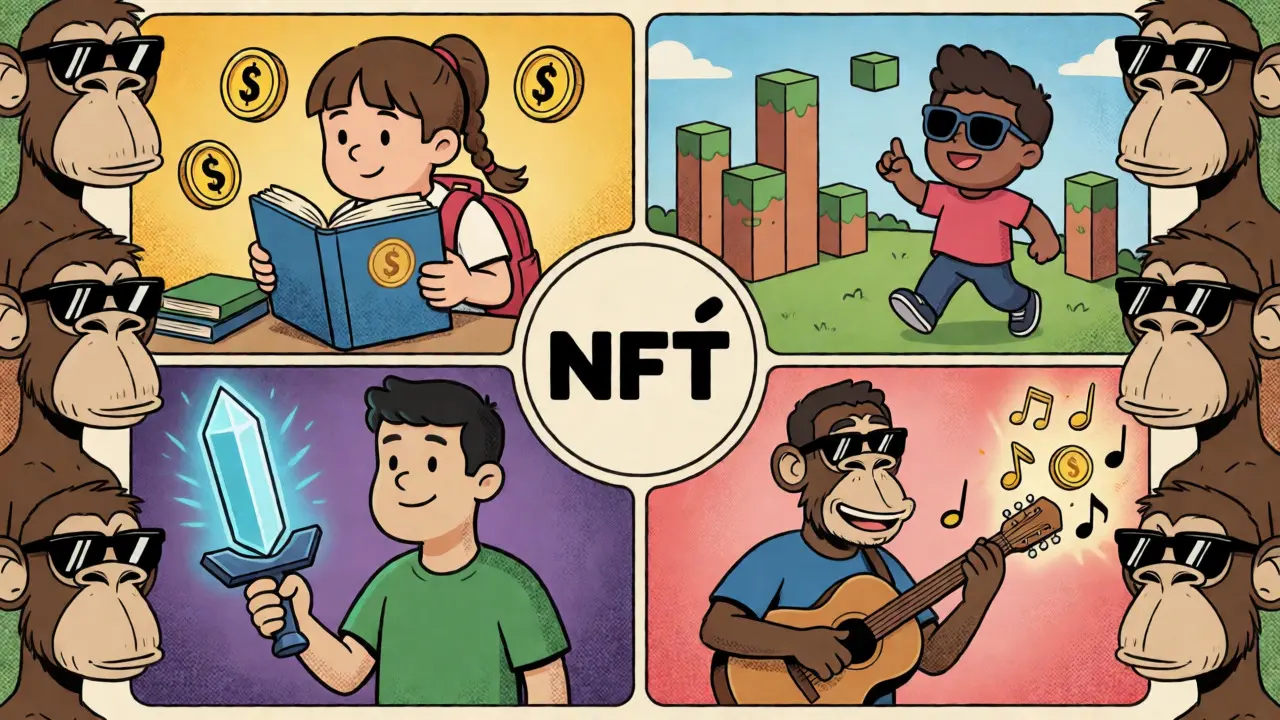
Infrastructure alone doesn’t drive adoption. People need reasons to use the platform. Forj has organized its efforts into four main verticals to capture different segments of the Web3 audience.
| Vertical | Key Project/Partner | User Benefit |
|---|---|---|
| Education | TasteMakerz | A 'Learn-to-Earn' story-driven guild making Web3 accessible. |
| Metaverse | The Sandbox | Foundational infrastructure for virtual world development. |
| Gaming | Various Blockchain Games | NFT-driven experiences and asset ownership. |
| Music & Entertainment | Artist Partnerships | Direct fan-creator connections via NFT technology. |
TasteMakerz is particularly interesting for newcomers. It’s designed to gamify learning about Web3. Instead of reading dry whitepapers, you engage with stories and earn rewards. This lowers the barrier to entry significantly. On the metaverse front, collaborations with platforms like The Sandbox show Forj’s intent to be more than just a backend provider; they want to shape the user experience in virtual worlds.
The BAYC Connection: A High-Stakes Bet
Here is where things get spicy. Forj has strategically aligned itself with the Bored Ape Yacht Club (BAYC) ecosystem. The value proposition of BONDLY is increasingly tied to the performance and utility creation within BAYC intellectual property. They even launched an $APE Accelerator to expand within the ApeCoin community.
This is a double-edged sword. On one hand, riding the coattails of one of the most prominent NFT communities provides instant visibility and credibility. If BAYC thrives, Forj benefits from increased demand for its infrastructure. On the other hand, it creates concentration risk. If the hype around BAYC fades, or if regulatory scrutiny hits high-profile NFT projects hard, BONDLY could suffer disproportionately. Investors need to weigh whether they believe BAYC has long-term staying power beyond the initial hype cycle.
Staking and Rewards
If you already hold BONDLY, you can put it to work. The project offers a staking rewards platform where users commit their tokens to earn more BONDLY. Recently, the platform underwent a significant update. The old reward pools on the BNB chain were consolidated into the Ethereum chain. If you had staked on the old BNB pool, you likely received an airdrop of your initial tokens plus accrued rewards on Ethereum. This move simplifies the architecture and reduces fragmentation, though it does mean Ethereum gas fees now apply to staking actions.
Risks and Reality Check
Let’s be honest: investing in any altcoin is risky. BONDLY is no exception. The relatively low trading volume mentioned earlier indicates limited liquidity. This means large sell-offs could impact the price more severely than in highly liquid markets. Furthermore, the success of Forj depends heavily on the execution of its team. They must continuously develop consumer products and secure new partnerships to justify the token’s value.
Regulatory changes also loom large. As governments worldwide tighten rules on crypto and NFTs, projects operating in this space face compliance challenges. Always assess your risk tolerance before diving in. Don’t invest money you can’t afford to lose, especially in a sector as volatile as Web3 infrastructure.
How to Buy BONDLY
Ready to take the plunge? Acquiring BONDLY is straightforward. You can purchase it on centralized exchanges like Gate.io. The process involves creating an account, completing KYC verification, funding your wallet, and executing a trade. It’s also listed on tracking platforms like CoinMarketCap and CoinGecko, which provide real-time price data and historical charts for analysis.
Is Forj the same as Bondly?
Yes, Forj is the rebranded name for the project previously known as Bondly. The ticker symbol remains BONDLY, and the underlying technology and team largely remain the same, but the focus has sharpened on Web3 infrastructure and NFTs.
What blockchains does Forj support?
Forj operates across multiple blockchain networks, primarily Ethereum, Polygon, and Binance Smart Chain. Its BONDSwap technology is designed to facilitate cross-chain interactions between these and potentially other compatible ledgers.
Can I stake BONDLY tokens?
Yes, you can stake BONDLY tokens on the Forj rewards platform to earn additional BONDLY. Note that the staking infrastructure was recently updated to consolidate operations onto the Ethereum chain, removing the previous BNB chain option.
Why is BONDLY linked to Bored Ape Yacht Club?
Forj has strategically partnered with the BAYC ecosystem, launching initiatives like the $APE Accelerator. The token's utility and perceived value are partly tied to the growth and activity within the BAYC community, offering both opportunity and concentration risk.
Where can I buy BONDLY coins?
You can buy BONDLY on centralized exchanges such as Gate.io. It is also tracked on major platforms like CoinMarketCap and CoinGecko, which may offer links to various trading venues depending on current liquidity and listings.
