
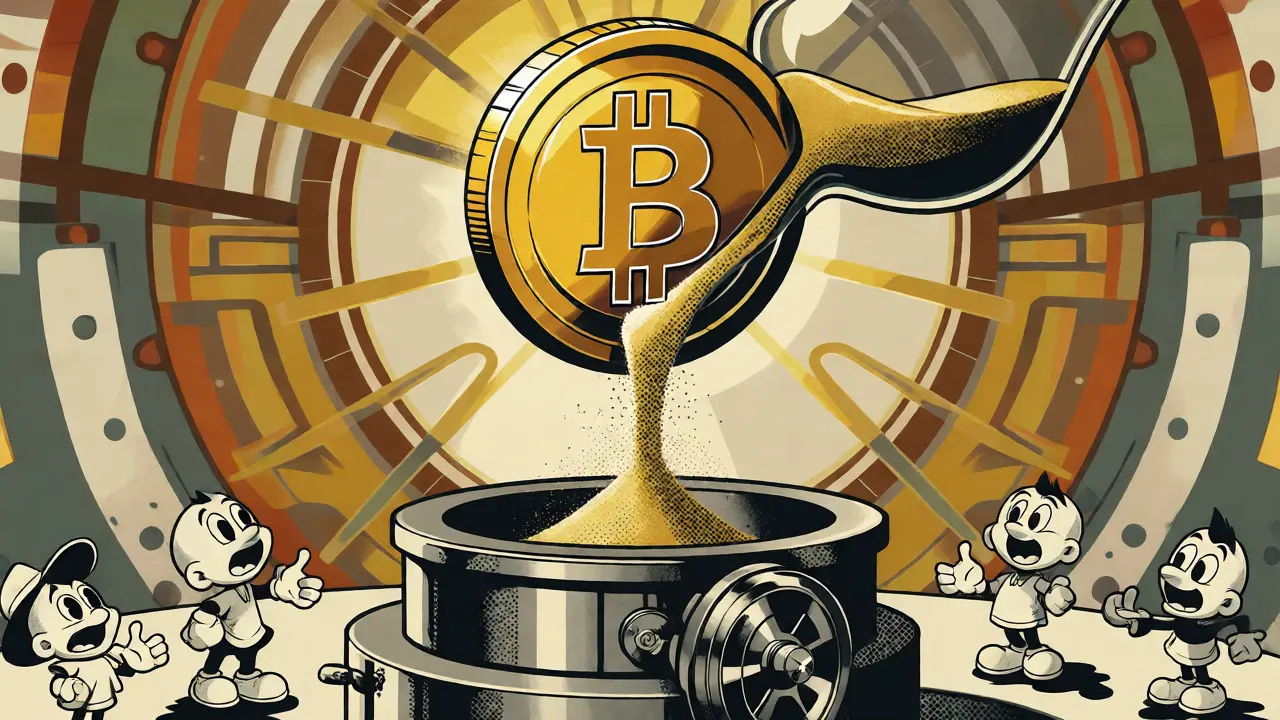
You might have heard traders screaming about the "halving" every four years, acting like it’s a celestial event that will either send Bitcoin to the moon or crash the market. But what actually happens when the halving hits? It isn’t magic, and it isn’t just hype. It is a hard-coded rule in the software that controls how many new bitcoins enter circulation. Think of it as the engine that keeps Bitcoin scarce. Without it, we’d have an endless stream of coins, and Bitcoin wouldn’t be "digital gold." If you are holding BTC, running a miner, or just trying to understand why the price moves after these events, you need to know exactly how this mechanism works.
Key Takeaways
- The Core Mechanism: Every 210,000 blocks (roughly four years), the reward miners get for validating transactions is cut in half.
- Scarcity Engine: This process ensures the total supply never exceeds 21 million BTC, mimicking the scarcity of precious metals like gold.
- Historical Impact: Past halvings (2012, 2016, 2020) were followed by significant bull markets, though correlation does not guarantee causation.
- Mining Economics: Halvings squeeze miner profits, forcing inefficient operations out and pushing the industry toward more energy-efficient hardware.
- Future Outlook: The next halving is projected for 2028, continuing until the final coin is mined around the year 2140.
The Code Behind the Scarcity
Satoshi Nakamoto didn’t just write a payment system; he wrote a monetary policy into code. In the original whitepaper released in 2008, Satoshi set a hard cap on the number of bitcoins that would ever exist: 21 million. Unlike fiat currencies, where central banks can print money whenever they want, Bitcoin’s supply schedule is fixed. The Bitcoin Halving is the tool that enforces this limit. When the network starts, miners receive a large reward for each block they mine. As time passes, this reward shrinks. Specifically, the protocol automatically reduces the block subsidy by 50% once the blockchain reaches a height of 210,000 blocks. Since blocks are mined roughly every ten minutes, this cycle takes about four years.
This design choice solves a critical problem: inflation control. In traditional economies, governments often devalue currency by increasing its supply. Bitcoin flips this model. By reducing the issuance rate predictably, it creates disinflationary pressure. Today, with the most recent halving having occurred in April 2024, the annual issuance rate of Bitcoin has dropped below 1%. For context, gold’s production growth rate hovers around 1.6% to 2%. This means Bitcoin is now scarcer than gold in terms of new supply entering the market each year. This mathematical certainty is why many investors view it as a hedge against inflation.
A Timeline of Supply Shocks
To understand where we are going, look at where we’ve been. The halving isn’t a new concept; it’s the heartbeat of Bitcoin’s history. The first halving happened in November 2012, cutting rewards from 50 BTC to 25 BTC. At that time, Bitcoin was worth about $12. A year later, it hit over $1,000. Was the halving the sole cause? Probably not, but it was part of a perfect storm of adoption and limited supply.
The second halving in July 2016 reduced rewards to 12.5 BTC. Bitcoin was trading around $650 before the event. Within a year, it surged past $2,500. The third halving in May 2020 dropped rewards to 6.25 BTC. This one coincided with massive global monetary stimulus during the pandemic. Bitcoin climbed from roughly $9,000 to over $60,000 within eighteen months. These patterns have led many to believe that halvings trigger bull runs. However, smart money knows that other factors-like institutional adoption, regulatory clarity, and macroeconomic trends-play huge roles too.
The fourth halving, which took place on April 20, 2024, reduced the block reward to 3.125 BTC. This event occurred in a very different landscape compared to previous cycles. We now have spot Bitcoin ETFs in the United States, creating a steady stream of institutional demand. While the immediate price reaction was less explosive than in 2012, the structural support provided by ETFs offers a new dynamic to analyze. The key takeaway here is that while the halving reduces supply, price depends entirely on whether demand keeps pace.
Why Miners Care About Your Portfolio
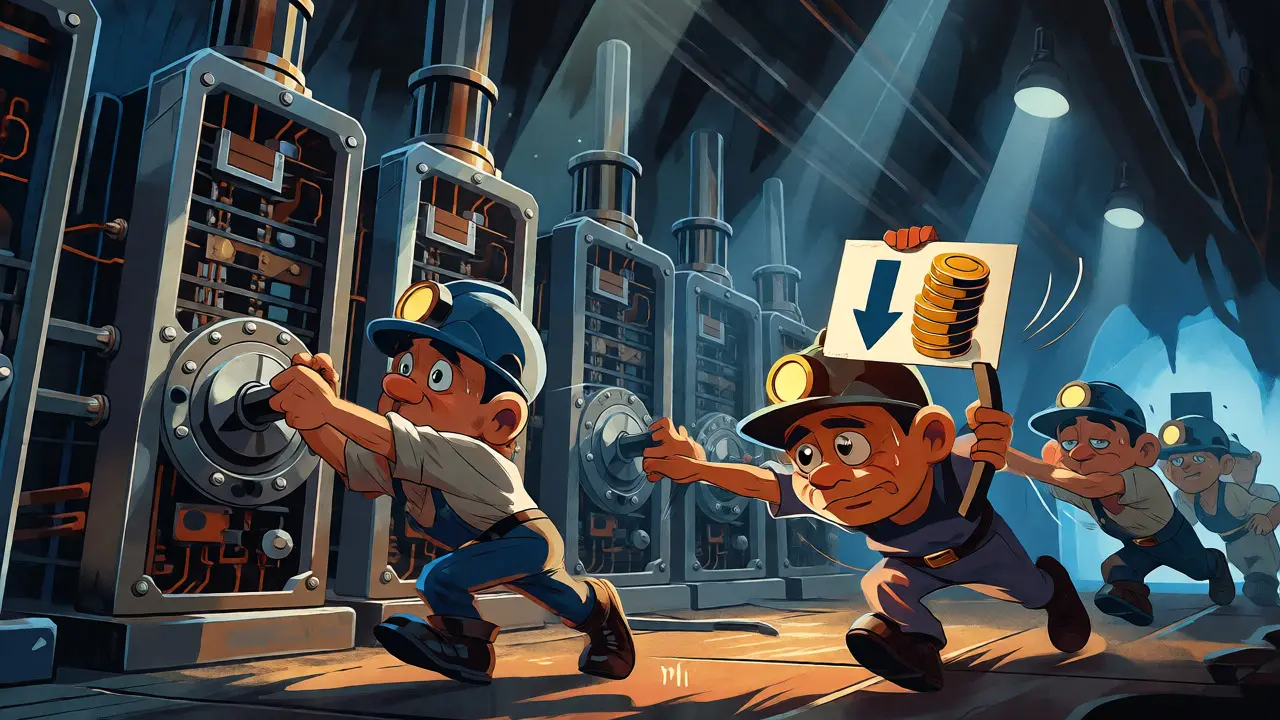
If you think the halving only affects your wallet, think again. It hits miners directly. Miners spend real money on electricity and hardware to secure the network. They get paid in two ways: the block subsidy (newly created bitcoin) and transaction fees. When the subsidy gets cut in half, their revenue drops overnight unless transaction fees spike significantly. And usually, they don’t.
This sudden drop in revenue forces a shakeout. Less efficient miners, those using older hardware or paying high electricity rates, become unprofitable. They shut down their rigs. This reduces the overall hash rate-the total computing power securing the network. Eventually, difficulty adjusts downward, making it easier for remaining miners to find blocks. Those who survive are typically the ones with cheap power sources and modern equipment, like the Antminer S21 series, which offers better efficiency per terahash.
For investors, this consolidation is healthy. It ensures the network remains secure because only serious players remain. But it also means that if you are looking to buy from miners, you might see them selling their holdings to cover operational costs right after a halving. This temporary selling pressure can create buying opportunities for long-term holders who understand the cycle.
Does the Halving Actually Move the Price?
Here is the controversial part. Does the halving itself cause the price to rise? Many analysts argue that the market "prices in" the halving months before it happens. Traders anticipate the supply shock and buy early. So, by the time the actual event occurs, much of the optimism is already reflected in the price. Look at the data: in 2024, Bitcoin rose about 12.7% in the 30 days following the halving. Compare that to the double-digit percentage jumps seen in earlier cycles, and you’ll see diminishing returns on the immediate impact.
However, the long-term effect is undeniable. By slowing down the creation of new coins, the halving reduces the amount of sell-side pressure from miners. If demand stays constant or grows-as it has with the introduction of ETFs holding nearly 900,000 BTC-the law of supply and demand suggests prices should trend upward over time. It’s not a switch that flips the price up instantly; it’s a gradual tightening of liquidity.
Consider the analogy of a rare collectible card game. If the manufacturer announces they will stop printing certain cards, the value doesn’t necessarily jump the day the announcement is made. But over the next few years, as fewer new cards enter the secondary market and collectors compete for existing stock, prices tend to appreciate. Bitcoin operates similarly, but on a global, digital scale.

Looking Ahead: The Road to 2140
We aren’t done yet. The halving process will continue approximately 64 times in total. The next one is expected in August 2028, when the block reward will drop to 1.5625 BTC. Each subsequent halving becomes less impactful in absolute terms because the starting reward is smaller. By the time we reach the final halving around the year 2140, the block subsidy will approach zero.
At that point, miners will rely entirely on transaction fees to stay profitable. This raises a technical question: will transaction fees be enough to secure the network? Critics worry that if fees are too low, miners might leave, compromising security. Proponents argue that as Bitcoin becomes a settlement layer for higher-value transactions, fees will naturally increase. Plus, layers built on top of Bitcoin, like the Lightning Network, handle micro-transactions off-chain, leaving the main chain for larger settlements that pay higher fees.
For now, the remaining 1.5 million bitcoins left to be mined represent less than 1% of the total supply. The era of easy accumulation is ending. Future buyers will have to compete for existing coins rather than waiting for new ones to be minted. This shift fundamentally changes the investment thesis from "buying new supply" to "acquiring existing supply," which generally supports higher valuations if demand holds steady.
Practical Tips for Investors and Miners
If you are planning your strategy around the halving cycle, keep these points in mind:
- Don’t Time the Top: Historically, the peak price comes 12-18 months *after* the halving, not immediately. Patience pays off.
- Watch Hash Rate Health: If the network hash rate drops sharply post-halving, it signals miner capitulation. This often marks a local bottom for price.
- Diversify Your View: Don’t rely solely on the halving narrative. Monitor macroeconomic indicators, interest rates, and regulatory news alongside supply metrics.
- Miner Efficiency Matters: If you invest in mining companies, check their cost-per-BTC mined. Companies with lower costs survive halvings better.
Frequently Asked Questions
How often does the Bitcoin halving occur?
The Bitcoin halving occurs every 210,000 blocks. Given that blocks are mined approximately every 10 minutes, this translates to roughly every four years. The exact date varies slightly depending on network speed, but the block count is fixed.
What happens to the block reward during a halving?
During a halving, the reward miners receive for successfully mining a block is cut in half. For example, in the April 2024 halving, the reward dropped from 6.25 BTC to 3.125 BTC per block. This reduction continues until the reward eventually reaches zero.
Will there always be new bitcoins created?
No. The total supply of Bitcoin is capped at 21 million coins. Through the halving mechanism, the creation of new bitcoins slows down exponentially. The last bitcoin is expected to be mined around the year 2140. After that, no new bitcoins will be issued.
Does the halving guarantee the price will go up?
No, it does not guarantee a price increase. While historical data shows bullish trends following halvings, price movements depend on many factors including demand, macroeconomic conditions, and investor sentiment. Correlation with past events does not ensure future results.
How does the halving affect miners?
The halving cuts miner revenue from block subsidies in half. To maintain profitability, miners must improve energy efficiency, reduce operational costs, or rely more on transaction fees. This often leads to industry consolidation as less efficient miners exit the market.
