

For years, the crypto scene in Nigeria was a bit of a wild west. You could trade, mine, or build apps, but banking access was shaky at best. Then came 2025. With the passage of the Investments and Securities Act 2025, legislation that formally recognized cryptocurrencies as securities under the jurisdiction of the Securities and Exchange Commission (SEC), the rules changed overnight. If you are running a crypto business in Nigeria today, you don't just need to be good at tech; you need to be compliant. The era of operating in the shadows is over.
The core change? The requirement for a Virtual Asset Service Provider (VASP) license. This isn't just a piece of paper; it's your ticket to legal operation, banking relationships, and consumer trust. But getting it is no small feat. It involves heavy capital requirements, strict operational protocols, and navigating a new regulatory landscape designed to bring order to chaos. Let’s break down exactly what you need to know to get licensed without wasting time or money.
What Exactly Is a VASP License?
A Virtual Asset Service Provider (VASP) license, a regulatory authorization issued by the Nigerian Securities and Exchange Commission allowing entities to legally operate cryptocurrency services including exchanges, wallets, and staking platforms is the official permission slip from the Nigerian SEC to handle digital assets. Before 2025, the Central Bank of Nigeria (CBN) had restricted banks from servicing crypto firms, creating a bottleneck. Now, the SEC has taken the lead. If you offer any service involving virtual assets-whether that’s running an exchange, managing digital wallets, issuing tokens, mining, staking, or even processing payments-you fall under this umbrella.
This shift marks a definitive move from an uncertain environment to a structured compliance regime. By obtaining this license, you signal to regulators, partners, and users that your business is legitimate, secure, and ready for scrutiny. It positions you alongside regulated financial institutions rather than underground operators.
Financial Barriers: The N500 Million Requirement
Let’s address the elephant in the room first: money. The financial hurdle for entering the Nigerian crypto market is significant. Applicants must demonstrate a minimum paid-up capital of N500,000,000 (Five Hundred Million Naira). As of recent estimates, this translates to roughly $325,000 USD. Why so high? The SEC wants to ensure that only financially stable entities enter the space. They are filtering out fly-by-night operations that might collapse and leave investors holding the bag.
This capital must be verifiable. You can’t just claim you have it; you need audited proof. For existing companies, this means submitting latest audited financial statements. For newly established entities, you’ll need audited statements of affairs prepared by certified public accountants. This requirement alone filters out many small startups, pushing the industry toward more consolidated, professional players.
Corporate Structure and Documentation
Money is only half the battle. Your corporate structure needs to be rock-solid. Here is what you need to have in place before you even think about applying:
- CAC Registration: You must be legally incorporated as a company with the Corporate Affairs Commission (CAC). No sole proprietorships or informal partnerships will do.
- Core Documents: Prepare your Certificate of Incorporation, Memorandum and Articles of Association (MEMART), and a current Status Report from the CAC.
- Physical Presence: The SEC requires a physical office in Nigeria. You cannot run this entirely remotely from abroad. Furthermore, you must have a director who is resident in the country. This ensures there is someone locally accountable if things go wrong.
- Business Model Clarity: You need a comprehensive business model document. It must show a clear value proposition. What makes your platform different? How do you make money? Who are your customers?
Additionally, if your company operates in other regulated sectors (like traditional finance or telecoms), you may need letters of no objection or approval from those respective regulators. This cross-agency coordination can add complexity to your application timeline.

Operational Compliance: AML, KYC, and Security
Once you prove you have the money and the structure, you need to prove you can operate safely. The SEC, in line with global standards set by the Financial Action Task Force (FATF), demands robust Anti-Money Laundering (AML) and Know Your Customer (KYC) protocols.
Your systems must prevent anonymous transactions. This means implementing strong customer identification and verification processes. You aren’t just checking IDs once; you need ongoing monitoring capabilities to detect suspicious activities and potential terrorist financing. The retention period for records is strict: you must keep comprehensive customer records-including transaction histories, identity documents, and communications-for a minimum of seven years.
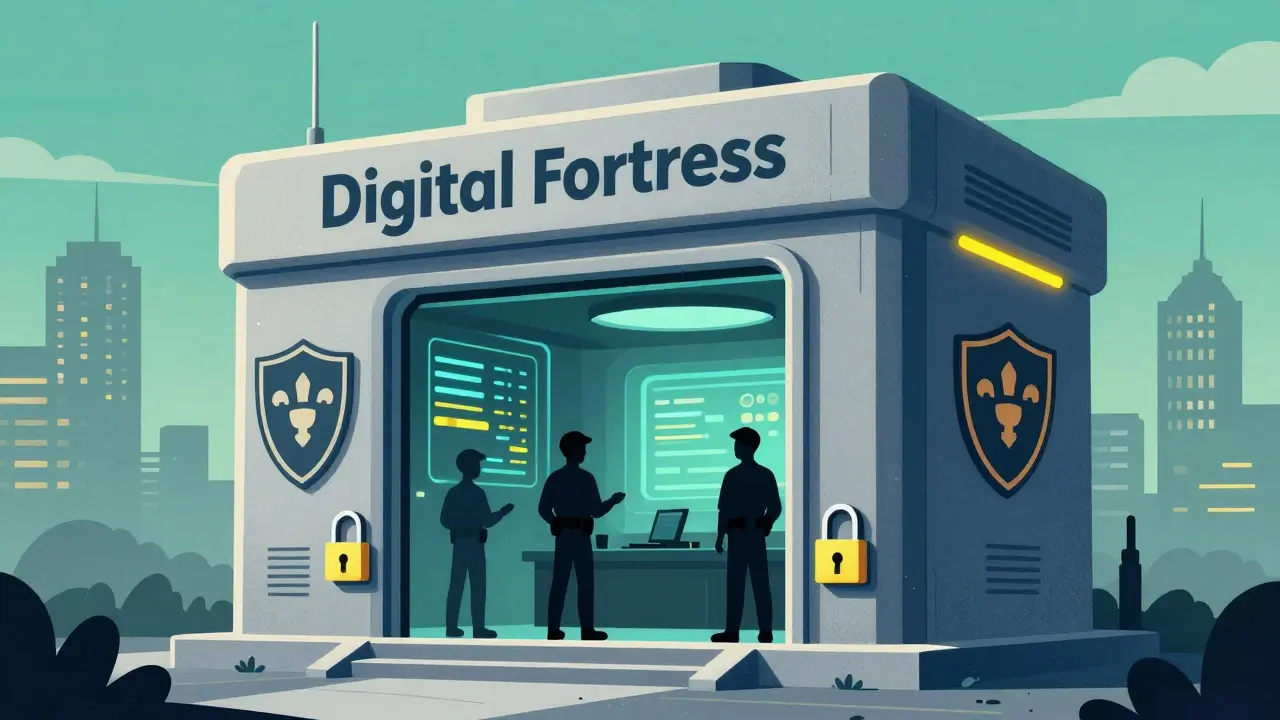
On the tech side, security is non-negotiable. You must comply with SEC Technology Risk Management requirements. This includes detailed cybersecurity protocols, data protection measures, and system resilience planning. Think of this as building a digital fortress. You need to show evidence of sufficient technological resources, including staffing plans for IT security and technical infrastructure specifications.
| Requirement Area | Specific Obligation | Regulatory Basis |
|---|---|---|
| Capital | N500,000,000 paid-up capital | SEC Guidelines |
| Record Keeping | 7-year retention of all customer/transaction data | FATF Standards / SEC Rules |
| Personnel | Resident Director required | SEC Oversight Policy |
| Security | Cybersecurity & Data Protection Protocols | Technology Risk Management Framework |
| Tax | Registration with Nigerian Tax Authorities | Federal Inland Revenue Service (FIRS) |
The Fast Track: Accelerated Regulatory Incubation Program (ARIP)
If the standard process seems daunting, the SEC offers a lifeline called the Accelerated Regulatory Incubation Program (ARIP), a specialized pathway allowing eligible virtual asset entities to obtain preliminary approval and commence operations under SEC oversight while completing full registration requirements over 12 months. This is designed to simplify onboarding for promising virtual asset entities.
Here is how ARIP works:
- Eligibility Check: You must be legally incorporated, have a Nigerian office with a resident CEO or Managing Director, and be actively engaged in securities/investment business. You should also have a pending application with the SEC.
- Preliminary Approval: Once accepted, you get approval in principle. This allows you to start operating under SEC oversight before you finish all the heavy lifting.
- Incubation Period: You enter a 12-month incubation phase. During this time, you submit quarterly progress reports and receive direct regulatory guidance.
- Exit Strategy: At the 10-month mark, you receive specific guidance. By month 12, you either pursue full registration based on your progress or cease operations if you haven’t met the criteria.
This program is excellent for startups that have the vision and basic structure but need time to scale up their capital or refine their compliance frameworks. However, it’s not a free pass. You are still under intense scrutiny during these 12 months.
Why This Matters for Your Business
Compliance costs money. Industry observers predict that the substantial overhead of meeting these licensing requirements will be passed on to users through higher fees. Some critics argue that the new environment feels like "over-regulated banking," which could stifle innovation. But there is a flip side.
Legitimacy brings stability. Licensed VASPs can now access traditional banking services, something that was nearly impossible before 2025. This opens doors for institutional partnerships, larger user bases, and international collaborations. Moreover, the government’s push for regulation aligns with broader fiscal goals, aiming to increase tax collection from the crypto sector. For businesses, this means a clearer path to profitability without the constant fear of sudden bans or frozen accounts.
International platforms face a choice now: get a VASP license to serve Nigerian customers or exit the market. This consolidation reduces competition but raises the overall standard of service. For local entrepreneurs, it levels the playing field against unregulated foreign competitors who previously operated with impunity.
Next Steps for Applicants
If you are serious about entering the Nigerian crypto market, start by auditing your current setup. Do you have the N500 million? Is your corporate structure clean? Have you hired a resident director? If the answer to any of these is no, begin addressing those gaps immediately.
Engage with legal experts who specialize in Nigerian securities law. The intersection of SEC rules, CBN guidelines, and tax regulations is complex. DIY compliance here is a recipe for disaster. Consider whether ARIP is right for you. If you are early-stage, the incubation program might provide the breathing room you need. If you are well-capitalized and ready to go, aim for the standard registration path.
Remember, the regulatory framework is still evolving. The 2025 Act laid the foundation, but implementing regulations will continue to drop. Stay connected with the SEC’s announcements. Adaptability is just as important as capital in this new era.
How long does it take to get a VASP license in Nigeria?
The timeline varies significantly depending on the pathway chosen. The standard registration process can take several months to over a year, depending on document completeness and SEC review speed. The Accelerated Regulatory Incubation Program (ARIP) offers a structured 12-month pathway where you can begin operations after preliminary approval, with final licensing contingent on meeting milestones throughout the year.
Can foreign companies apply for a VASP license in Nigeria?
Yes, foreign companies can apply, but they must incorporate a local entity with the Corporate Affairs Commission (CAC). Crucially, they must maintain a physical office in Nigeria and appoint a director who is resident in the country. Remote-only operations are not permitted under the current SEC framework.
What happens if I operate without a VASP license?
Operating without a VASP license is illegal under the Investments and Securities Act 2025. Penalties can include heavy fines, seizure of assets, and criminal charges against directors. Additionally, unlicensed entities cannot access banking services, making sustainable business operations nearly impossible.
Does the VASP license cover NFTs and Metaverse projects?
If the NFTs or Metaverse assets are classified as securities or involve token issuance and trading, they fall under VASP regulation. The SEC has broadened the scope to include token issuance and various digital asset activities. Projects purely focused on utility without investment characteristics might face different scrutiny, but most commercial crypto projects will need to engage with the SEC.
Are there tax implications for VASP license holders?
Yes. Licensed VASPs must register with Nigerian tax authorities. The government views crypto revenue as taxable income. Companies must maintain accurate records for tax purposes and submit regular returns. The regulatory push is partly driven by the goal to increase tax collection from the digital asset sector.
