
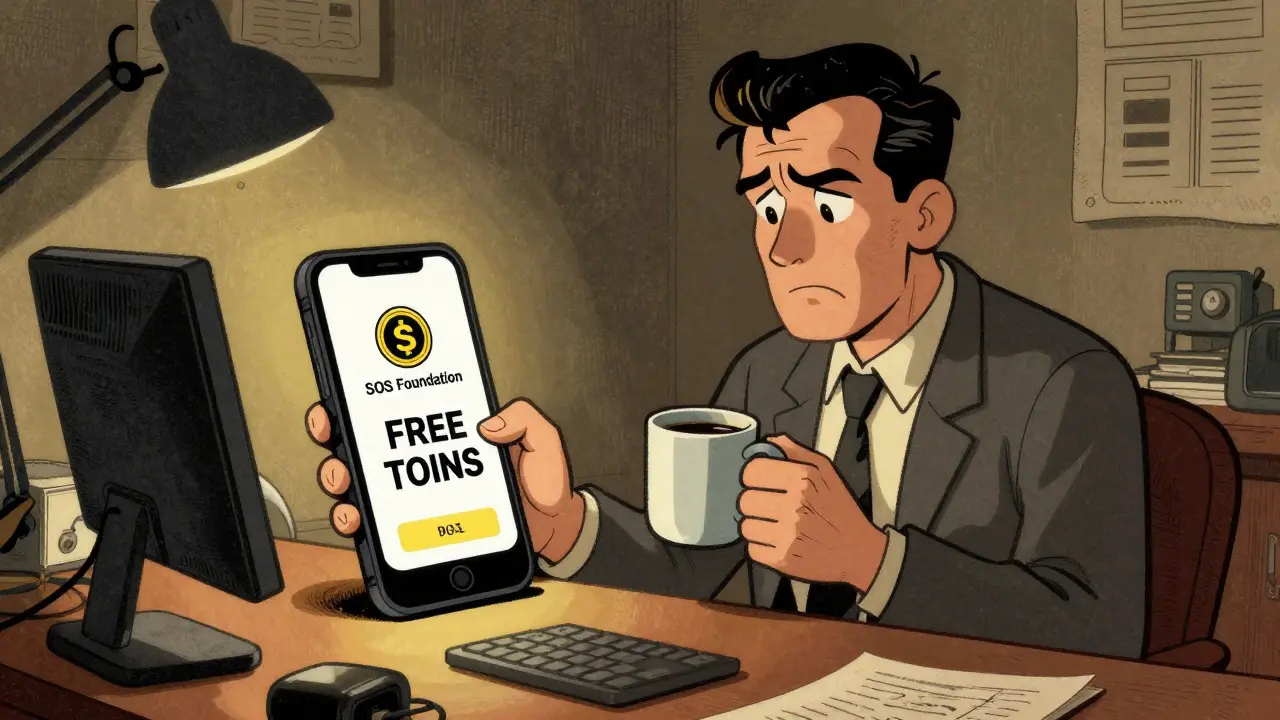
You see a notification pop up on your phone or land in your spam folder. It claims you’ve been selected for the SOS Foundation a mysterious entity claiming to offer free tokens through an Initial D Offering (IDO) launch celebration. The message is urgent. It promises life-changing wealth if you just connect your wallet and approve a transaction. It feels too good to be true because it is. As of August 2026, there is no credible evidence that a legitimate "SOS Foundation" exists in the mainstream cryptocurrency ecosystem with an active, verified IDO launch celebration airdrop.
This isn't just a missed opportunity; it’s likely a trap. In the world of decentralized finance (DeFi), scams evolve faster than security patches. What used to be simple phishing emails has morphed into sophisticated smart contract exploits disguised as generous giveaways. Before you click that link, you need to understand why this specific claim is red-flagged by experts and how to verify any future airdrop claims yourself.
The Anatomy of a Fake IDO Celebration
Let’s break down why the "SOS Foundation IDO Launch Celebration" rings false. Legitimate projects don’t operate in shadows. They have public roadmaps, audited code, and transparent teams. When you search for "SOS Foundation crypto," you won’t find listings on CoinMarketCap, CoinGecko, or major news outlets like CoinDesk or The Block. You’ll mostly find warnings from cybersecurity firms and frustrated users who lost funds.
Scammers often use names that sound institutional or charitable-like "Foundation," "Global," or "United"-to borrow trust they haven’t earned. An Initial D Offering (IDO) a method for startups to raise capital by selling tokens on a decentralized exchange launchpad is a real thing. Platforms like Uniswap a leading decentralized exchange protocol on Ethereum or PancakeSwap a decentralized exchange native to the BNB Chain host these events. But they are highly regulated within their ecosystems. A random Telegram group or a suspicious email is not a valid venue for a serious IDO.
The phrase "Launch Celebration" is marketing fluff designed to create FOMO (Fear Of Missing Out). Real projects celebrate launches with community AMAs (Ask Me Anything) sessions on Discord or Twitter Spaces, not by demanding you sign blind transactions to unknown contracts. If the process requires you to pay a "gas fee" to receive free money, stop. That’s the first crack in the facade.
How the Wallet Drain Scam Works
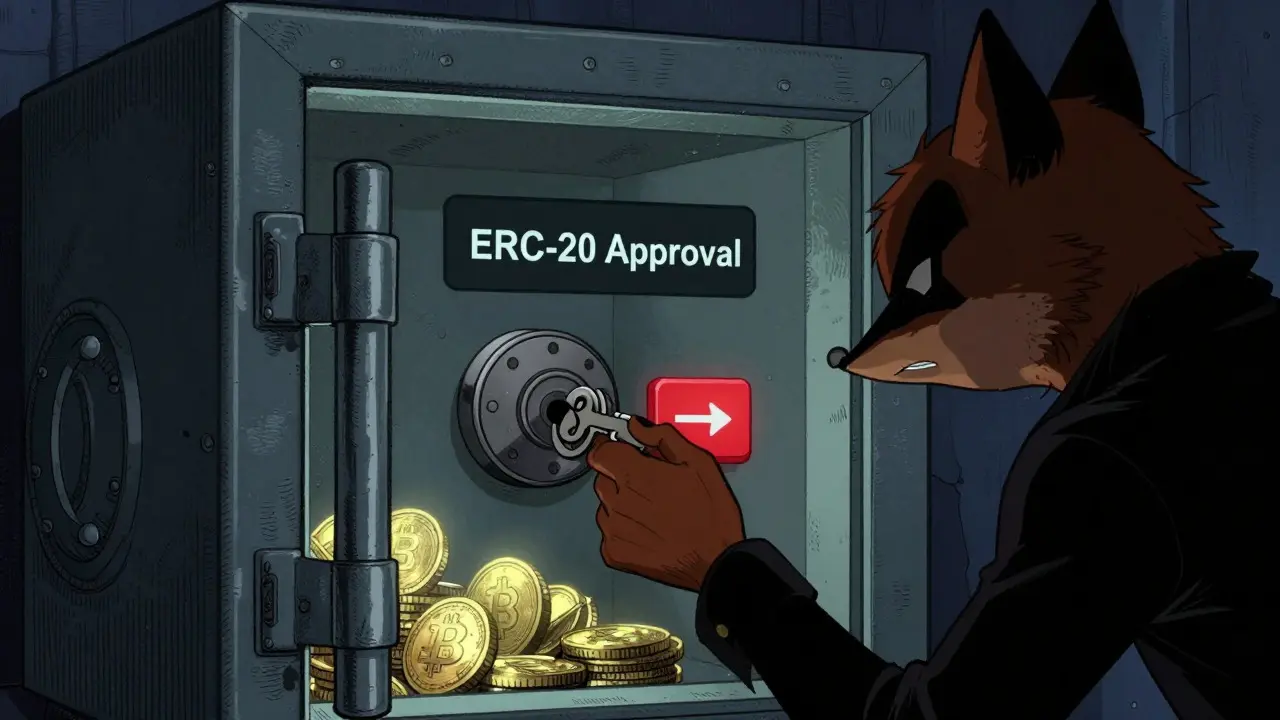
If you do decide to interact with this supposed SOS Foundation site, here is exactly what happens behind the scenes. You connect your MetaMask a popular cryptocurrency wallet and gateway to blockchain apps or Trust Wallet a multi-chain mobile wallet for storing cryptocurrencies. The site asks you to "approve" a transaction to claim your airdrop. This approval isn’t for receiving tokens; it’s an ERC-20 Approval a smart contract function that allows another contract to spend your tokens on your behalf.
Once you click "Sign," you’re granting the scammer’s smart contract unlimited access to your wallet’s assets. They don’t need to hack your password. They don’t need your private key. They just wait. Days or weeks later, when you least expect it, a bot executes the approved transaction, draining your ETH, USDT, or other valuable tokens out of your wallet and into theirs. By the time you notice the balance drop, the funds are gone, bounced across multiple mixers, and unrecoverable.
This technique relies on user ignorance regarding Smart Contracts self-executing contracts with the terms of the agreement directly written into code. Most users see "Approve" and think it means "Yes, I want this." In DeFi, "Approve" means "You can take everything I have." Always check the amount being approved. If it says "Unlimited" or shows a max value far higher than the gas fee, close the tab immediately.
Verifying Legitimacy: The Three-Point Check
Not every airdrop is a scam. Projects like Arbitrum a Layer 2 scaling solution for Ethereum that distributed ARB tokens and Optimism another Ethereum Layer 2 network known for its retroactive public goods funding gave away millions of dollars in tokens legitimately. How did they do it? They followed a clear path. Use this checklist to vet any new project claiming an IDO or airdrop:
- Official Channels Only: Does the project have a verified Twitter/X account with a blue checkmark? Is their website linked from that official profile? Be wary of lookalike domains (e.g., sos-foundation-airdrop.com vs. sosfoundation.io).
- Contract Verification: Is the token contract address listed on Etherscan or BscScan? Can you see the liquidity locked? If the contract is unverified or the liquidity is unlocked, the developers can pull the rug at any second.
- Community Presence: Do they have an active Discord or Telegram with real humans asking technical questions? Or is it filled with bots posting "To the moon!" and links to dubious sites? Real communities discuss governance, bugs, and features, not just price pumps.
If the "SOS Foundation" fails any of these checks, treat it as hostile territory. In 2026, the bar for legitimacy is higher than ever. Regulators are watching, and users are wiser. A project hiding its identity behind a vague name is hiding for a reason.
Red Flags Specific to the SOS Claim
Let’s look closer at the specific signals surrounding this SOS Foundation rumor. First, the timing. "Launch Celebrations" usually happen after a token is already live and trading. If the token doesn’t exist on any major exchange, where is the liquidity coming from? Second, the distribution mechanism. Legitimate airdrops use snapshots of wallet activity. They reward past usage. They don’t ask you to perform tasks like "join our Telegram" and "click this link" to qualify. Those are engagement traps designed to build a list of vulnerable wallets to target later.
Furthermore, search for "SOS Foundation crypto scam" on Google Trends or Reddit. You will likely find threads from early victims. Scammers often reuse names. There may have been a different "SOS" project years ago that failed, and now bad actors are recycling the brand. Always check the history. A quick search on Revoke.cash a tool that helps users manage and revoke token approvals for enhanced security can also show if your wallet has previously interacted with malicious contracts associated with similar names.
| Feature | Legitimate Project (e.g., Arbitrum, Optimism) | Suspicious Claim (e.g., SOS Foundation Rumor) |
|---|---|---|
| Announcement Source | Official Blog, Verified Social Media | Email Spam, Random Telegram DMs |
| Token Contract | Verified on Etherscan/BscScan | Unverified or Non-existent |
| Cost to Claim | Only Gas Fees (Network Cost) | Requests "Approval" or Upfront Payment |
| Team Identity | Public Profiles, LinkedIn Links | Anonymous or Fake Avatars |
| Liquidity | Locked for Months/Years | Unlocked or Missing |
Protecting Yourself in 2026
The landscape of crypto security has shifted. It’s no longer enough to just keep your seed phrase safe. You need operational discipline. Here are actionable steps to stay safe from IDO scams:
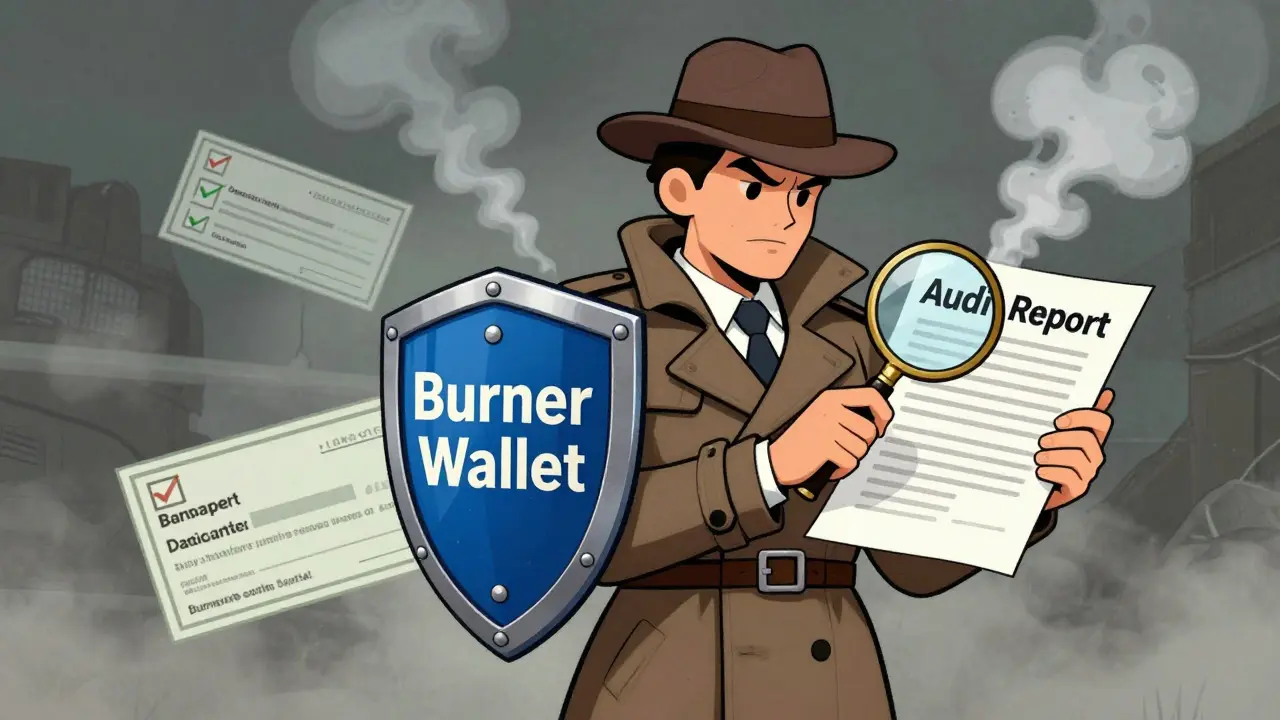
- Use a Burner Wallet: Never connect your main holding wallet to new, unproven dApps. Use a secondary wallet with minimal funds. If it gets drained, the damage is contained.
- Revoke Permissions Regularly: Visit Revoke.cash or Etherscan Token Approvals once a month. Revoke any approvals you don’t actively use. This cuts off the backdoor scammers rely on.
- Verify URLs Manually: Don’t click links in emails. Type the project’s URL manually into your browser. Check for HTTPS and valid SSL certificates. Even then, HTTPS doesn’t guarantee safety, but HTTP guarantees danger.
- Check Audit Reports: Legitimate IDOs undergo audits by firms like CertiK a leading blockchain security firm, Quantstamp a blockchain security company providing smart contract audits, or OpenZeppelin a developer platform for building secure smart contracts. Look for the audit report on the project’s site. If it’s missing, assume the code is dirty.
In the case of the SOS Foundation IDO Launch Celebration, the absence of these elements is deafening. No audit reports surface. No reputable launchpad lists it. No credible journalist covers it. In the information age, silence is an answer. It means the project is either dead or fraudulent. Given the aggressive marketing tactics described in user reports, fraud is the more likely culprit.
What to Do If You Already Connected
Panic helps no one. If you connected your wallet to the SOS Foundation site, act fast. First, move all remaining assets to a fresh wallet generated on a different device. Treat your current wallet as compromised. Second, go to Revoke.cash and revoke all approvals granted to the suspicious contract. Third, monitor your transaction history for any outgoing transfers you didn’t initiate. If funds are gone, accept the loss as a tuition fee for learning DeFi security. Reporting it to the platform where you saw the ad might help others, but recovering funds from a decentralized scam is statistically near zero.
Crypto is powerful, but it demands responsibility. The freedom to transact without intermediaries comes with the burden of verifying every counterparty. The "SOS Foundation" is a test of that vigilance. Pass it by walking away. Wait for proof, not promises. In a market flooded with noise, skepticism is your most valuable asset.
Is the SOS Foundation IDO airdrop real?
As of August 2026, there is no verifiable evidence that the SOS Foundation IDO airdrop is legitimate. It lacks official documentation, audit reports, and presence on major cryptocurrency trackers. It exhibits all the signs of a common wallet-drain scam.
How do I know if an IDO is safe?
A safe IDO will have a verified smart contract on Etherscan or BscScan, a published audit report from a reputable firm like CertiK, and announcements only from official, verified social media channels. Liquidity should be locked, and the team should be publicly identifiable.
What is an ERC-20 approval scam?
An ERC-20 approval scam tricks you into signing a transaction that grants a malicious contract unlimited permission to spend your tokens. Once approved, the scammer can drain your wallet at any time without needing your private key or password again.
Should I connect my main wallet to claim airdrops?
Never connect your main holding wallet to unverified dApps. Always use a separate "burner" wallet with minimal funds. This limits potential losses if the site turns out to be malicious.
How can I revoke bad permissions from my wallet?
You can use tools like Revoke.cash or the token approval section on Etherscan. Connect your wallet to these platforms, identify the suspicious contract addresses, and click "Revoke" to remove their spending permissions. Note that revoking costs a small gas fee.
