
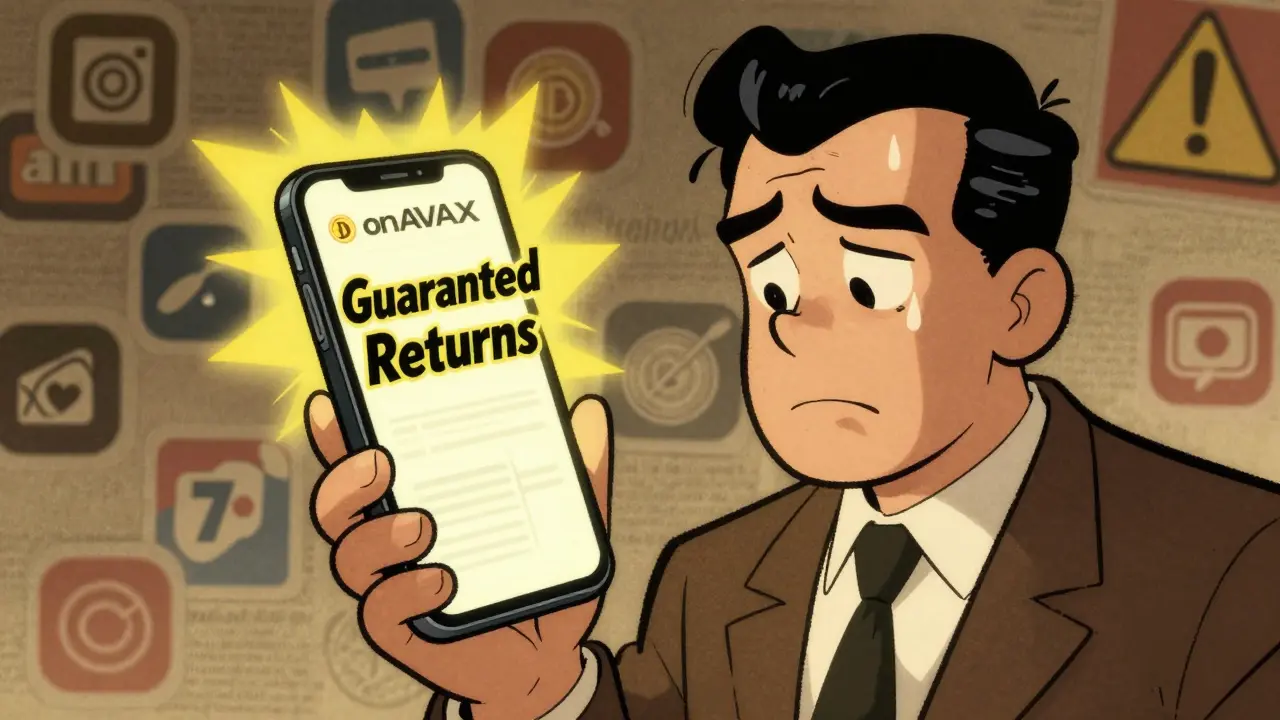
You’ve probably seen the ads. They pop up on social media, promise insane returns, and claim to be the next big thing in Avalanche (AVAX) trading. The name is usually something catchy like "onAVAX" or "Avalance Pro." You click the link, see a slick website, and think you’ve found a golden ticket. But here’s the hard truth: there is no legitimate, major cryptocurrency exchange called "onAVAX." If you are looking for a place to trade AVAX tokens securely, you need to stop right now and read this.
The crypto space is flooded with fake platforms that use names similar to real projects to trick users. These sites often mimic the branding of established networks like Avalanche but operate as centralized scams or unregulated entities. Before you deposit a single cent into an unknown platform, we need to clear up the confusion between the real Avalanche ecosystem and these imposters. This guide will help you identify the red flags, understand where you can actually trade AVAX safely, and protect your funds from fraud.
The "onAVAX" Confusion: What Is It Really?
When people search for "onAVAX," they are usually looking for one of two things: a specific decentralized application (dApp) running on the Avalanche network, or a centralized exchange that specializes in AVAX. Here is the problem: neither exists as a standalone, reputable brand under that exact name.
Avalanche is a high-performance blockchain platform known for its speed and low transaction costs. It supports thousands of applications, including decentralized exchanges (DEXs), lending protocols, and gaming platforms. Some of these dApps might have "AVAX" in their URL or interface because they are built on Avalanche. For example, a liquidity pool on a DEX might be labeled "AVAX-USDC Pool." However, this does not mean "onAVAX" is an exchange itself. It just means the asset is located on the Avalanche network.
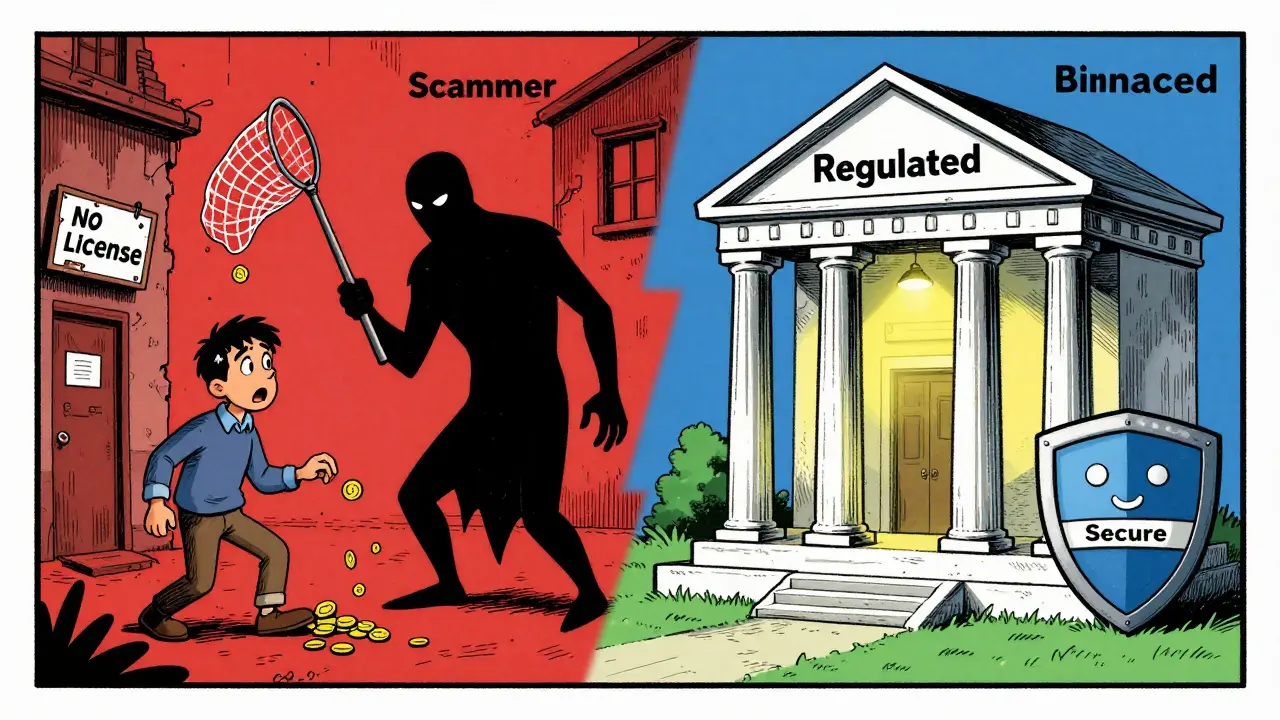
Fraudulent actors exploit this technical nuance. They create websites with domains like `onavax-exchange.com` or `trade-on-avax.net` and claim to be official partners. These sites are not connected to the Avalanche Foundation. They do not have regulatory licenses. And most importantly, they often disappear with user funds once deposits are made. Always verify if a platform is listed on CoinMarketCap or CoinGecko. If it’s not there, it’s likely a scam.
Red Flags: How to Spot Fake Crypto Exchanges
If you are considering using a platform named "onAVAX" or anything similar, look for these warning signs. I’ve reviewed hundreds of crypto platforms, and the patterns of scams are almost always identical.
- Aggressive Marketing: Legitimate exchanges rely on organic growth and community trust. Scams pay influencers to post "guaranteed profit" videos or run ads promising 10% daily returns. No investment offers guaranteed profits. If it sounds too good to be true, it is.
- Lack of Transparency: Check the "About Us" page. Does it list real team members with LinkedIn profiles? Can you find contact information other than a generic email form? Scam sites often have blank pages or stock photos of diverse teams that don’t exist.
- No Regulatory Compliance: Reputable exchanges register with financial authorities like the SEC in the US, the FCA in the UK, or FINTRAC in Canada. If a site claims to be global but has no legal entity or license number, stay away.
- Poor Security Features: Look for Two-Factor Authentication (2FA) support, cold storage disclosures, and proof-of-reserves audits. If the site doesn’t explain how your funds are secured, assume they aren’t.
- User Reviews: Search for independent reviews on Reddit or Trustpilot. Be careful-scammers often post fake five-star reviews. Look for detailed complaints about withdrawal issues or customer service silence.
Where to Actually Trade AVAX Safely
Since "onAVAX" isn’t a valid option, where should you go? The best place to trade depends on whether you want a centralized exchange (CEX) for ease of use or a decentralized exchange (DEX) for self-custody.
| Platform | Type | Best For | Key Feature |
|---|---|---|---|
| Binance | Centralized (CEX) | High volume, fiat on-ramps | Largest liquidity, advanced trading tools |
| Coinbase | Centralized (CEX) | Beginners, US users | Publicly traded company, high security |
| Trader Joe | Decentralized (DEX) | DeFi enthusiasts, native AVAX | Low fees, built on Avalanche C-Chain |
| Kraken | Centralized (CEX) | Security-focused traders | Strong regulatory compliance, 24/7 support |
Binance and Coinbase are the giants of centralized exchanges. They allow you to buy AVAX with credit cards or bank transfers easily. They hold your keys, which means you must trust them with your security. For most beginners, this is the easiest path.
If you prefer control, Trader Joe is the leading decentralized exchange on Avalanche. It was launched in 2021 and has become the go-to spot for swapping tokens directly within the Avalanche ecosystem. You connect your own wallet (like MetaMask or Core Wallet) and trade peer-to-peer. There is no customer support, so if you make a mistake, you’re on your own. But you keep custody of your assets at all times.
Why Avalanche Is Worth Using (And Where to Access It)
The reason scammers target the Avalanche name is simple: the network is genuinely popular. In 2025, Avalanche saw significant growth due to the Octane upgrade (ACP-176). This update introduced dynamic fees, drastically reducing gas costs. Daily transactions on the C-Chain surged as a result. Major institutions like Visa added Avalanche to their stablecoin settlement network, validating its technology.
This popularity makes it a prime target for phishing attacks. Remember, the Avalanche Foundation does not operate a retail exchange. They build the infrastructure. When you want to interact with that infrastructure, you use trusted third parties.
For DeFi activities, such as staking AVAX to earn rewards, you can use the native staking dashboard or platforms like Aave and Euler, which have launched on Avalanche with deep liquidity. Liquid staking tokens like sAVAX allow you to stake your coins while still using them in other protocols. This flexibility is part of what makes the ecosystem attractive, but it also adds complexity. Never interact with smart contracts unless you have verified their addresses on official channels like the Avalanche subreddit or Discord.
Protecting Yourself From Crypto Scams
Education is your best defense. Here are practical steps to keep your funds safe in 2026.
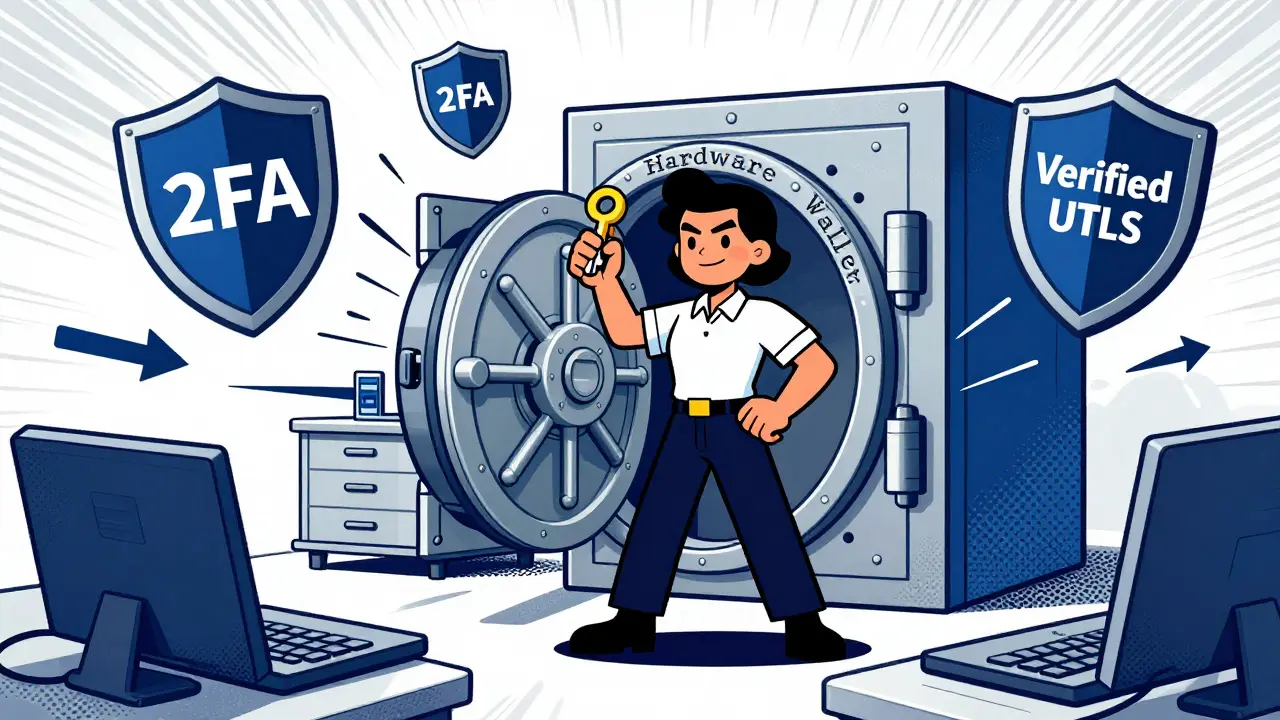
- Use Hardware Wallets: For long-term holdings, move your AVAX off exchanges. Devices like Ledger or Trezor store your private keys offline. Even if an exchange gets hacked, your coins remain safe.
- Verify URLs: Bookmark the official websites of exchanges you use. Do not click links from emails or social media messages. Scammers create lookalike domains that differ by only one letter.
- Enable 2FA: Use an authenticator app like Google Authenticator or Authy. Never use SMS-based 2FA, as it can be intercepted through SIM-swapping attacks.
- Start Small: When trying a new platform, deposit a small amount first. Test the withdrawal process before committing significant capital. If you can’t withdraw $10, you won’t be able to withdraw $10,000.
- Check Contract Addresses: On decentralized exchanges, always copy token contract addresses from official sources. Fake tokens with the same ticker symbols are common.
What To Do If You’ve Already Sent Money
If you deposited funds into a suspicious site claiming to be "onAVAX" and cannot withdraw, act quickly. First, document everything. Take screenshots of the website, transaction hashes, and any communication with support. Next, contact your payment provider. If you used a credit card, request a chargeback immediately. If you sent crypto directly from another wallet, recovery is unlikely, but you should report the incident to local authorities and cybercrime units like the FBI’s IC3 in the US or the RCMP in Canada.
Do not engage further with the scammers. They may promise to release your funds if you pay a "tax" or "fee." This is a secondary scam designed to extract more money from desperate victims. Once funds are sent to a non-custodial address, they are nearly impossible to reverse.
Final Thoughts on Trading AVAX
The crypto market moves fast, and new platforms emerge daily. But legitimacy takes time to build. Stick to established names with transparent operations. Whether you choose a centralized giant like Binance for convenience or a decentralized leader like Trader Joe for autonomy, ensure you are interacting with verified entities. Ignore the flashy ads for unknown exchanges. Your security is worth more than a quick click.
Is onAVAX a legitimate crypto exchange?
No, there is no widely recognized or regulated cryptocurrency exchange named "onAVAX." This name is likely associated with fraudulent schemes or misleading marketing. Always verify platforms on trusted aggregators like CoinMarketCap before depositing funds.
Where can I safely buy and sell AVAX?
You can safely trade AVAX on major centralized exchanges like Binance, Coinbase, and Kraken. For decentralized trading, use Trader Joe, which is the leading DEX on the Avalanche network.
How do I know if a crypto exchange is a scam?
Look for red flags such as guaranteed high returns, lack of regulatory licenses, anonymous teams, and poor online reviews. Legitimate exchanges are transparent about their security measures and legal compliance.
What is the difference between a CEX and a DEX?
A Centralized Exchange (CEX) acts as an intermediary, holding your funds and facilitating trades. Examples include Binance and Coinbase. A Decentralized Exchange (DEX) allows peer-to-peer trading via smart contracts without a middleman, giving you full control over your assets. Trader Joe is a popular DEX on Avalanche.
Can I recover funds lost to a fake exchange?
Recovery is difficult, especially if you sent cryptocurrency directly. Contact your bank or credit card issuer immediately for potential chargebacks. Report the scam to local law enforcement and cybercrime agencies, but be aware that success rates vary.
