

Trading on mySwap is a different experience than using traditional centralized exchanges or even other decentralized platforms. Built specifically for the Starknet ecosystem, this platform focuses on one core promise: keeping your transaction costs low while giving you full control over your assets. If you are new to zk-Rollups or concentrated liquidity models, mySwap might feel complex at first glance. However, for users already active in the Starknet space, it offers some of the most efficient gas prices available. This review breaks down what mySwap actually does well, where it falls short, and whether it fits into your current DeFi strategy.
What is mySwap?
mySwap is a non-custodial decentralized exchange (DEX) that uses a concentrated liquidity model to facilitate token swaps on Starknet. Launched in 2023, it was designed to solve the liquidity fragmentation problem common in early DeFi projects. Unlike standard Automated Market Makers (AMMs) that spread liquidity across all possible price ranges, mySwap allows liquidity providers to focus their capital within specific price bands. This approach mirrors the mechanics popularized by Uniswap v3 but is optimized for Starknet’s unique architecture.
The platform operates without holding your funds. Instead, it acts as a smart contract interface connecting your wallet directly to liquidity pools. You retain private key control at all times, which eliminates the risk of exchange hacks or frozen accounts. Currently, mySwap supports six major coins and sixteen trading pairs, positioning itself as a specialized tool for high-frequency traders and yield farmers rather than a general-purpose marketplace.
Technical Architecture and Security
Security in DeFi often depends on the underlying blockchain. MySwap runs on Starknet, a Layer 2 scaling solution created by StarkWare Industries. Starknet utilizes zk-Rollup technology, which bundles transactions off-chain and submits only cryptographic proofs to Ethereum. This process ensures that data is validated without revealing transaction details, offering both privacy and robust security guarantees.
The smart contracts powering mySwap are written in Cairo, Starknet’s proprietary programming language. Cairo allows for more flexible and scalable smart contract execution compared to Solidity on Ethereum mainnet. For users concerned about audit risks, the reliance on Starknet’s zero-knowledge proof system adds an extra layer of mathematical certainty to transaction validity. While no platform is immune to bugs, the use of ZK-Proofs significantly reduces the attack surface compared to purely permissionless L1 networks.
Key Features and User Experience
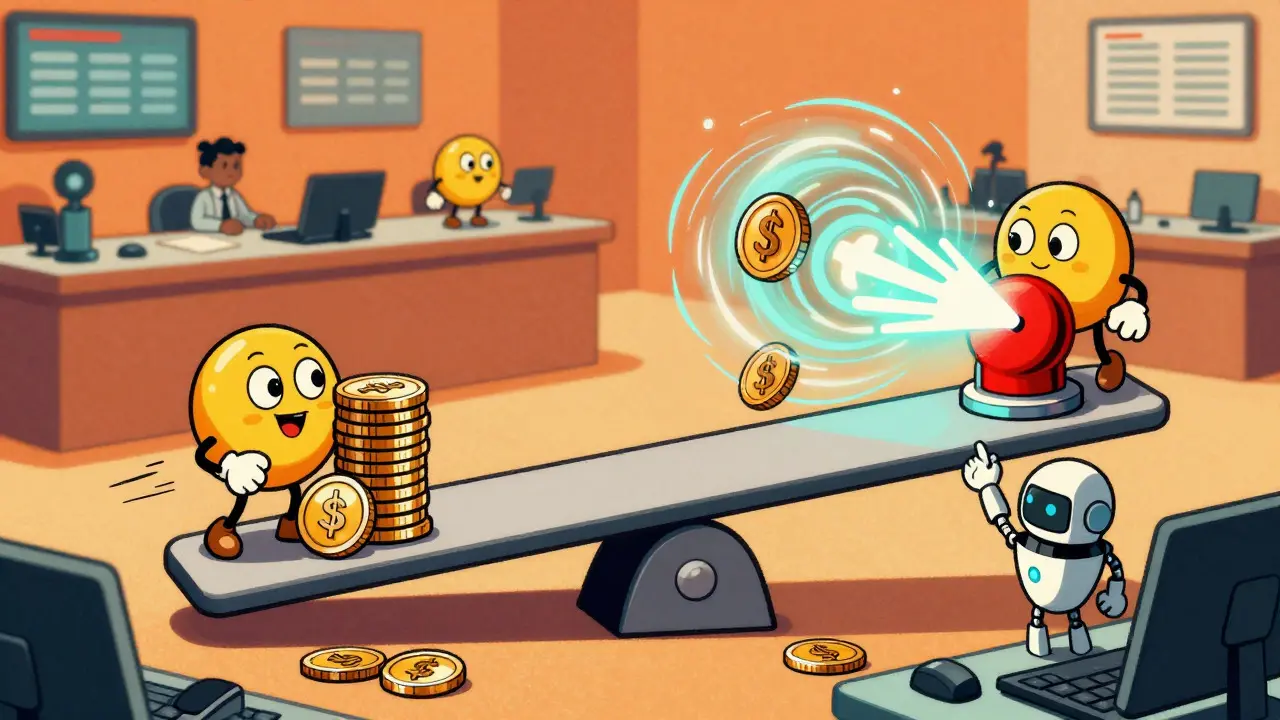
The user interface of mySwap is designed to be clean, though it requires a bit of learning if you are unfamiliar with concentrated liquidity. The standout feature here is the "One-click Rebalance" function. In concentrated liquidity models, positions can become inefficient if the asset price moves outside your selected range. Manually adjusting these ranges can be tedious and expensive due to gas fees. MySwap automates this process, allowing you to reset your position with a single click, ensuring your capital remains working efficiently.
Another critical aspect is gas optimization. Starknet has historically had higher base fees than competitors like Polygon or Arbitrum. However, mySwap implements specific architectural optimizations that reduce the computational load per transaction. Users report saving approximately 15-20% on gas costs compared to other Starknet DEXs. For frequent traders, this difference accumulates quickly, making mySwap a cost-effective choice for small-to-medium sized trades.
- Non-Custodial: Full control of assets via Argent or Braavos Wallet.
- Low Gas Fees: Optimized for Starknet's zk-Rollup efficiency.
- Auto-Rebalancing: Simplifies management of liquidity positions.
- Fast Execution: Average trade execution time is under 3 seconds.
Comparing mySwap to Alternatives
To understand where mySwap stands, it helps to compare it with other options in the Starknet ecosystem and broader DeFi landscape. The table below highlights the key differences between mySwap, its direct competitor JediSwap, and the industry leader Uniswap.
| Feature | mySwap | JediSwap | Uniswap (Ethereum) |
|---|---|---|---|
| Blockchain | Starknet | Starknet | Ethereum Mainnet / L2s |
| Liquidity Model | Concentrated Liquidity | Concentrated Liquidity | Concentrated Liquidity (v3) |
| Supported Pairs | 16 | ~20+ | Thousands |
| Market Share (Starknet) | 22% | 35% | N/A |
| Gas Efficiency | High (Optimized) | Standard | Variable (Higher on L1) |
| User Rating | 4.3/5 | 4.1/5 | 4.5/5 |
While JediSwap holds a larger market share on Starknet, mySwap differentiates itself through superior gas optimization and a slightly more polished user interface for rebalancing. Compared to Uniswap, mySwap lacks the sheer volume of tokens available, but it wins on cost-effectiveness for those committed to the Starknet ecosystem. If you are trading obscure tokens, Uniswap is your best bet. If you are trading major assets like ETH, STRK, or USDC frequently, mySwap offers better economics.
Fees and Costs Breakdown
Understanding the true cost of trading on mySwap requires looking beyond just the swap fee. There are three main components to consider:
- Swap Fee: Typically ranges from 0.3% to 0.5% depending on the volatility of the pair. This is competitive with other major DEXs.
- Gas Fees: Paid in ETH. Due to Starknet's zk-Rollup nature, these fees are generally lower than Ethereum L1 but can fluctuate based on network congestion. MySwap’s optimization aims to keep these minimal.
- Slippage: With only 16 trading pairs, liquidity depth can vary. For large orders, slippage may be higher than on deeper markets like Uniswap. It is crucial to set appropriate slippage tolerance to avoid unfavorable executions.
For retail investors making trades under $1,000, the total cost on mySwap is often among the lowest in the DeFi space. However, institutional traders should monitor liquidity depth before executing large block trades, as the shallower pools could result in significant price impact.

Risks and Limitations
No DeFi platform is without risk. When using mySwap, you should be aware of a few specific challenges. First, the limited selection of trading pairs means you cannot easily diversify into long-tail assets without bridging to another chain. Second, the complexity of concentrated liquidity presents a barrier to entry. Beginners may struggle to select the right price ranges, leading to inactive positions that earn no yield. The "auto-strategy" templates help mitigate this, but manual oversight is still recommended for maximum returns.
Additionally, while Starknet is secure, it is still a relatively young Layer 2 solution. Regulatory changes targeting DeFi interfaces or shifts in Starknet’s fee structure could impact the platform's viability. Always keep a portion of your portfolio in stablecoins or on established chains to hedge against ecosystem-specific risks.
Who Should Use mySwap?
MySwap is not a one-size-fits-all solution. It shines for specific types of users:
- Active Traders: Those who make multiple small trades daily will benefit most from the low gas fees and fast execution speeds.
- Yield Farmers: Users willing to manage liquidity positions can earn higher APRs due to the concentrated liquidity model.
- Starknet Natives: If you already hold STRK or other Starknet-based assets, mySwap provides the most seamless way to swap them without bridging costs.
On the other hand, casual investors who prefer simplicity or those looking to trade a wide variety of meme coins might find better options elsewhere. The learning curve is real, and the limited token list restricts utility for generalists.
Getting Started Guide
If you decide to try mySwap, the setup process is straightforward once you have the right tools. Here is how to get started:
- Set Up a Wallet: Install either Argent or Braavos Wallet. Both are fully compatible with Starknet.
- Fund Your Wallet: Acquire ETH for gas fees and the specific tokens you wish to trade. You can bridge assets from Ethereum mainnet to Starknet using official bridges.
- Connect to mySwap: Visit the mySwap website and connect your wallet. Ensure you are connected to the correct network (Starknet).
- Choose a Pair: Select the token pair you want to swap or provide liquidity for.
- Configure Position: For swaps, set your slippage tolerance. For liquidity provision, choose your price range. Consider using the auto-rebalance feature if you are new to concentrated liquidity.
- Execute Transaction: Confirm the transaction in your wallet. Wait for the zk-Proof validation, which typically takes less than 3 seconds.
Keep in mind that you will need a basic understanding of DeFi concepts such as slippage, impermanent loss, and gas fees. The platform provides video tutorials and a knowledge base to help you navigate these concepts.
Is mySwap safe to use?
MySwap is considered safe due to its non-custodial nature and reliance on Starknet's zk-Rollup technology. Since you hold your own keys, there is no central point of failure. However, always verify contract addresses and stay updated on any protocol upgrades or audits.
What wallets work with mySwap?
The primary supported wallets are Argent and Braavos Wallet. These are the standard interfaces for interacting with Starknet and offer seamless integration with mySwap's smart contracts.
How much do gas fees cost on mySwap?
Gas fees are paid in ETH and are generally lower than Ethereum mainnet due to Starknet's scaling solutions. MySwap optimizes further, often resulting in fees that are 15-20% lower than competing Starknet DEXs. Exact costs vary with network congestion.
Can I trade any token on mySwap?
No, mySwap currently supports only 6 coins and 16 trading pairs. It is a specialized exchange for major assets within the Starknet ecosystem. For a wider variety of tokens, you would need to use a different DEX or bridge to another chain.
What is concentrated liquidity?
Concentrated liquidity is a mechanism where liquidity providers allocate their capital within a specific price range rather than across all possible prices. This increases capital efficiency, allowing for higher yields for LPs and lower slippage for traders, provided the price stays within the chosen range.
