
Picture this: you’ve spent months sourcing ASIC miners, negotiating power contracts, and planning a high-efficiency farm. You choose Kazakhstan because of its low energy costs and pro-crypto reputation. Then you hit the wall. It’s not just about plugging in machines; it’s about navigating one of the most specific regulatory frameworks in the world. If you don’t have the right paperwork, your hardware sits idle, or worse, gets confiscated.
In 2026, Kazakhstan has moved far beyond the wild west days of unregulated mining. The government treats digital asset extraction as a serious financial activity that requires strict oversight. The core message is simple: you cannot mine independently. You must operate through a licensed entity within the Astana International Financial Center (AIFC), join an approved pool, and sell a significant portion of your earnings on local exchanges. This guide breaks down exactly what that means for your business plan, wallet, and timeline.
The Core Rule: No More Independent Mining
The biggest shock for new entrants is the death of the independent miner. In many countries, you can run a solo node or join any pool online. In Kazakhstan, the law prohibits miners from engaging in any business activity other than digital mining, and crucially, that mining must happen through Licensed Digital Mining Pools (DMPs).
This isn't a suggestion; it's a structural requirement. The state has accredited specific mining pools to act as intermediaries. By forcing all hash rate through these regulated entities, the government maintains visibility over production volumes and ensures compliance with anti-money laundering standards. As of recent data, only five mining pools have been accredited. If your chosen pool isn't on that list, you aren't legally mining.
This creates a unique bottleneck. Your operational success depends not just on your hardware efficiency but on the reliability and capacity of your DMP partner. Before signing any lease or buying equipment, verify the pool's accreditation status directly with the AIFC registry. Don't rely on third-party marketing claims.
The AIFC: Your Only Gateway to Legality
To operate legally, you need more than just a permit; you need a corporate identity within the Astana International Financial Center (AIFC), which is the exclusive jurisdiction for granting crypto licenses in Kazakhstan. Think of the AIFC not just as a regulator, but as a separate legal ecosystem operating under common law principles, distinct from the rest of Kazakhstan's civil law system.
You cannot simply register a standard LLC in Almaty or Nur-Sultan and start mining. You must incorporate a company specifically within the AIFC. This involves several non-negotiable steps:
- Physical Presence: You must rent office space within the AIFC premises. Virtual offices often don't cut it for initial approvals.
- Local Staffing: You are required to hire at least two local employees who serve as your AML (Anti-Money Laundering) officer and Compliance Officer. These aren't figurehead roles; they require specific qualifications and local expertise.
- Board Composition: Your management board must comprise a minimum of four distinct roles. This adds governance complexity, especially for smaller operations that might previously have operated with a single director.
- Capital Deposit: Share capital must be deposited into a corporate account located in Kazakhstan.
This structure ensures that the state has tangible leverage and contact points for every mining operation. It raises the barrier to entry, filtering out hobbyists and leaving room for serious institutional players.
The Three-Phase Licensing Process
Getting your license isn't a quick checkbox exercise. The process is structured into three phases and typically takes between six to nine months to complete. Rushing this phase leads to rejection, which resets the clock.
- Preparation Phase: This is where you build your case. You need detailed business plans, audited financial projections, and comprehensive AML-CFT policies. You must also implement KYC (Know Your Customer) software and define client onboarding rules with risk assessment protocols. Essentially, you're proving you can run a compliant financial institution, not just a server farm.
- Incorporation Phase: Here, you execute the physical setup. Establish the AIFC company, sign the office lease, hire the mandatory local AML and compliance staff, and appoint the four-person management board. You'll also need to demonstrate the experience and competence of this board to regulators.
- Application Phase: Finally, you submit the application. Regulators will look for operational AML systems, clear operational understanding, and platform demonstrations. They want to see prototypes or live demos of how you handle transactions and reporting. This is the final hurdle before you receive the green light.
During this time, maintain constant communication with your legal counsel in the AIFC. The documentation requirements are dense, and minor errors in financial projections or policy wording can cause significant delays.

Financial Obligations: Taxes and Sales Quotas
Once licensed, the financial mechanics of your operation change dramatically. Two key metrics define your bottom line: the tax rate and the forced sale quota.
Kazakhstan offers a relatively favorable corporate tax rate of 15% for mining operations. This is competitive when compared to jurisdictions like the United States or parts of Europe, where effective tax rates can exceed 30% when including state and federal levies. However, the tax benefit is partially offset by liquidity constraints.
| Requirement | Detail | Impact |
|---|---|---|
| Corporate Tax Rate | 15% | Favorable compared to global averages |
| Mandatory Asset Sale | 75% of mined assets | Must be sold on AIFC platforms |
| Previous Year Comparison | Increased from 50% in 2024 | Tighter control on capital flight |
| Licensing Timeline | 6-9 months | Requires long-term cash flow planning |
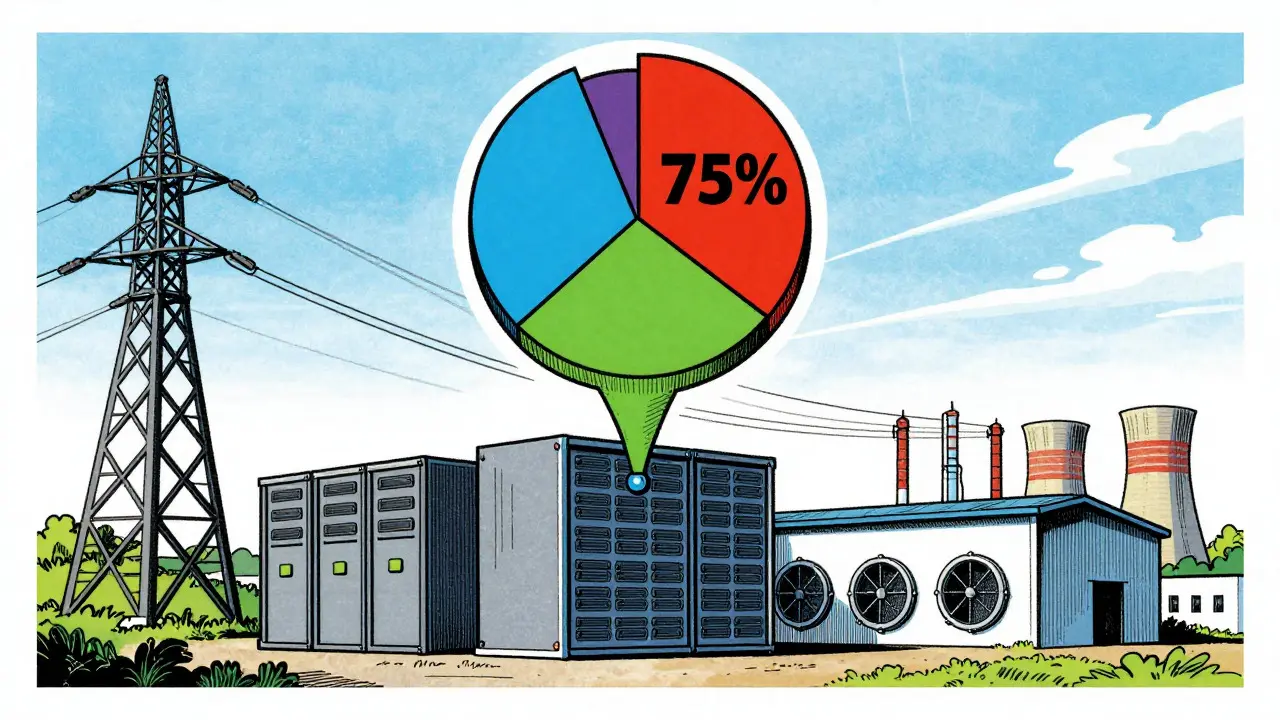
The most critical constraint is the mandatory sale requirement. As of 2025, miners must sell 75% of their mined assets on AIFC-regulated platforms. This was an increase from the 50% requirement in 2024, signaling a tightening of currency controls. The government wants foreign currency inflows to remain within the domestic financial system.
This means you cannot hold 100% of your Bitcoin or Ethereum in cold storage indefinitely. You must liquidate the majority of your production through local exchanges. While this provides liquidity, it exposes you to local market depth issues. If the AIFC exchanges lack sufficient buyer volume, slippage could eat into your margins. Always model your revenue based on worst-case liquidity scenarios, not best-case spot prices.
Infrastructure and Energy Realities
Regulations aside, the physical reality of mining in Kazakhstan revolves around energy. The country has positioned itself as a hub for miners fleeing China’s bans, but the grid is under pressure. The government views miners as potential tools for economic modernization and grid balancing, but this comes with strings attached.
You must own or have legal rights to a digital mining data processing center. You can’t just plug into a residential socket. The qualification requirements specify that facilities must meet strict infrastructure standards. Furthermore, the government has proposed a "70/30" energy program. Under this model, foreign investors would fund thermal power upgrades. In return, 70% of the generated capacity goes to the national grid, while 30% is reserved for crypto miners.
This creates a dependency on state-approved energy contracts. Ensure your power purchase agreement (PPA) explicitly covers crypto mining usage. Standard industrial PPAs may be voided if regulators determine the load profile doesn't match the declared use. Working with a local energy consultant who understands the ICRIAP (Information Committee for the Regulation and Improvement of Activities in the Sphere of Preventing Money Laundering) reporting requirements is essential here.
Comparison with Other Jurisdictions
How does Kazakhstan stack up against other popular mining destinations? The trade-offs are clear.
| Feature | Kazakhstan | United States | Canada |
|---|---|---|---|
| Licensing Model | AIFC Exclusive, Mandatory Pool | State-by-State, Voluntary Pool | Provincial Regulations, Voluntary Pool |
| Tax Rate | 15% | Up to 35% (Federal + State) | Up to 26.5% (Federal + Provincial) |
| Asset Liquidity | Restricted (75% Local Sale) | Unrestricted Global Access | Unrestricted Global Access |
| Energy Cost | Low ($0.05-$0.08/kWh) | Variable ($0.08-$0.15+/kWh) | Moderate ($0.06-$0.10/kWh) |
| Regulatory Risk | High (Centralized Control) | Medium (Fragmented Laws) | Low (Stable Framework) |
Kazakhstan wins on tax efficiency and energy cost. However, it loses significantly on freedom of operation. The mandatory pool requirement and forced sales make it less attractive for operators who value privacy or want to hedge against local exchange risks. The US and Canada offer more flexibility but at a higher tax and energy cost. Choose based on whether you prioritize margin (Kazakhstan) or autonomy (US/Canada).
Practical Pitfalls to Avoid
Even experienced operators stumble on these details. Here’s what to watch out for:
- Ignoring the AML Officer Requirement: Hiring a generic accountant isn't enough. The AIFC requires specialized AML/CFT expertise. If your officer lacks the right certifications, your license application will be flagged.
- Underestimating Setup Time: Six to nine months is a long time in crypto markets. Ensure you have runway funding to cover office rents and salaries before you mine your first block.
- Assuming All Pools Are Equal: With only five accredited pools, competition is limited. Negotiate terms carefully. Some pools may charge higher fees due to their monopoly-like position.
- Overlooking Reporting Duties: You must report to ICRIAP regularly. Failure to submit accurate transaction data can lead to fines or license revocation. Automate your reporting early.
The regulatory landscape in Kazakhstan is evolving toward greater state involvement. Recent trends suggest further tightening rather than liberalization. The government is exploring a state-run crypto reserve strategy, using mining as a foundation for broader digital asset adoption. Stay agile, keep your compliance team updated, and never assume today's rules will apply next year.
Can I mine cryptocurrency in Kazakhstan without a license?
No. As of current regulations, all mining activities must be conducted through a licensed entity within the Astana International Financial Center (AIFC). Unlicensed mining is considered illegal and can result in confiscation of equipment and heavy fines.
What is the mandatory sale requirement for miners in Kazakhstan?
Miners are required to sell 75% of their mined digital assets on AIFC-regulated platforms. This requirement increased from 50% in 2024 to tighten control over capital flows and ensure liquidity within the domestic financial system.
How long does it take to get a crypto mining license in Kazakhstan?
The licensing process typically takes between 6 to 9 months. It involves three phases: preparation of business plans and AML policies, incorporation within the AIFC, and the final application submission with operational demonstrations.
Do I need to hire local staff for my mining operation?
Yes. You must hire at least two local employees to serve as your AML (Anti-Money Laundering) officer and Compliance Officer. Additionally, your management board must include a minimum of four appointed roles.
What is the tax rate for crypto mining in Kazakhstan?
The corporate tax rate for mining operations in Kazakhstan is 15%. This is considered competitive globally, though it is offset by the mandatory requirement to sell 75% of assets on local exchanges.
Can I join any mining pool in Kazakhstan?
No. You must operate through a Licensed Digital Mining Pool (DMP). Currently, only five mining pools are accredited by the state. Operating through an unaccredited pool is prohibited.
