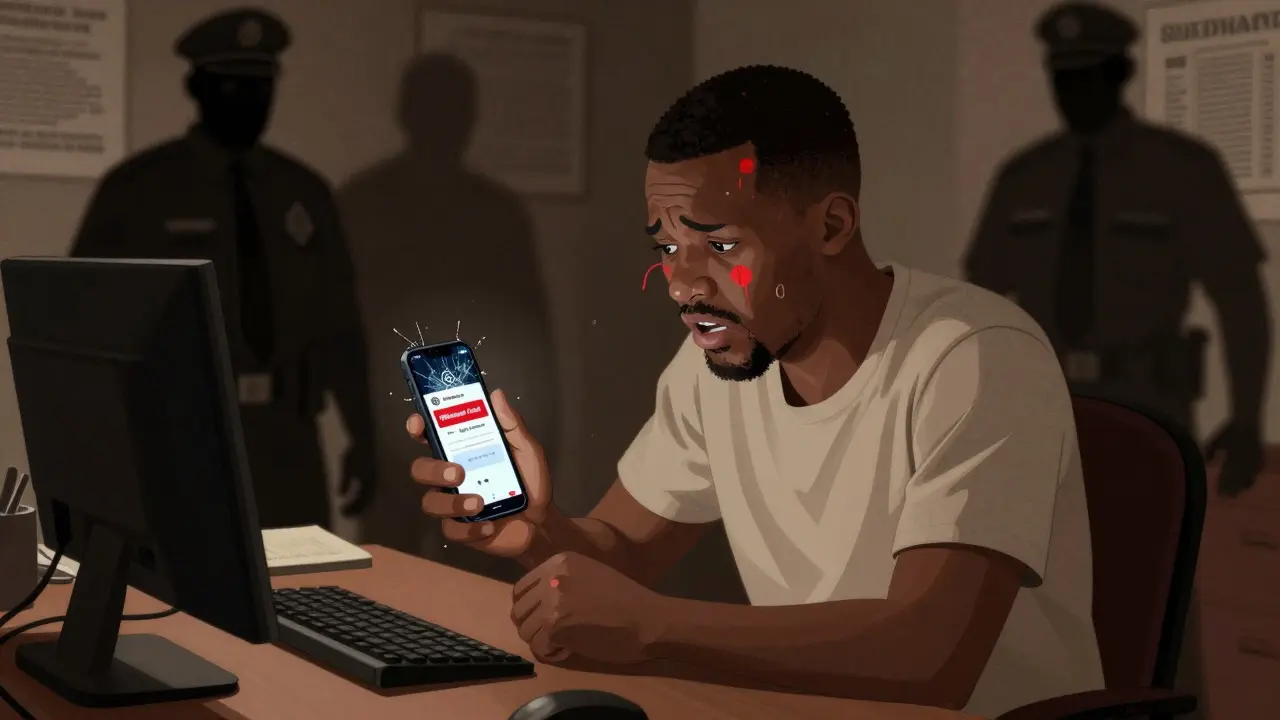
Imagine logging into your favorite crypto app, seeing a healthy balance of Bitcoin or USDT, and then realizing you can’t withdraw a single Naira. Your bank account is frozen. The exchange claims it’s out of their control. This isn’t a hypothetical nightmare for many Nigerians; it’s the reality of using unlicensed platforms after the regulatory landscape shifted dramatically in 2025.
If you are trading cryptocurrency in Nigeria today, the old rules no longer apply. The introduction of the Investments and Securities Act (ISA) 2025 has turned the market from a wild west into a strictly monitored zone. Using the wrong exchange now carries severe risks, including asset seizure by the Economic and Financial Crimes Commission (EFCC). Knowing which platforms to avoid is just as important as knowing which ones to use.
The New Reality: Why Unlicensed Exchanges Are Dangerous Now
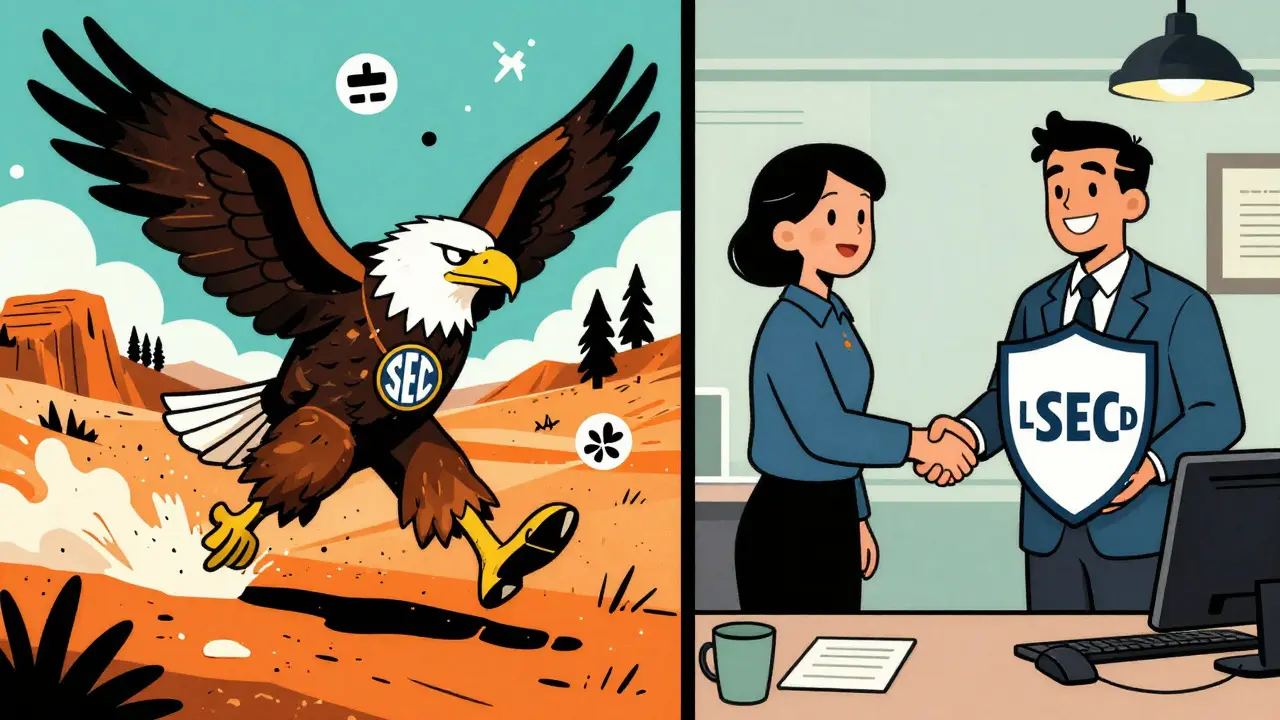
Before 2025, Nigeria’s crypto scene operated in a gray area. The Central Bank of Nigeria (CBN) had previously restricted banks from processing crypto transactions, but that stance softened in late 2023. However, the game changed completely with the ISA 2025. This law officially recognizes cryptocurrencies as securities under the oversight of the Securities and Exchange Commission (SEC).
Here is the critical part: only exchanges with an SEC license are legal. If you are using a platform without this license, you are operating illegally. The consequences are not just theoretical fines for the company; they hit you directly. In September 2024 alone, the EFCC froze 22 bank accounts linked to USDT trading on unlicensed platforms like Bybit and KuCoin, totaling over ₦548 million. Users found themselves locked out of their funds while regulators investigated.
The risk isn't just about losing money temporarily. It’s about having no legal recourse. Licensed exchanges have consumer protection protocols mandated by the SEC. Unlicensed ones do not. When things go wrong on an offshore shell company registered in Seychelles or Malta, Nigerian users are often left shouting into the void.
Top Exchanges to Avoid in Nigeria Right Now
While global giants offer great features, many lack the specific local licensing required to operate safely in Nigeria under the new laws. Based on enforcement actions and regulatory warnings up to August 2026, here are the primary platforms Nigerians should steer clear of:
- Bybit: Despite its popularity for derivatives trading, Bybit faced significant scrutiny. The EFCC explicitly linked frozen Nigerian bank accounts to Bybit transactions in late 2024. Without full SEC integration, users face high risks of banking disruptions.
- KuCoin: Similar to Bybit, KuCoin has been flagged in multiple enforcement cases. Users reported lengthy delays and partial recoveries after account freezes. The lack of a direct Nigerian legal entity makes dispute resolution nearly impossible.
- Binance P2P: While Binance itself is a massive entity, its P2P segment in Nigeria operates in a precarious space. The SEC has warned against unregulated P2P trading without proper KYC verification. Many Nigerians rely on P2P due to banking restrictions, but doing so on non-licensed interfaces increases exposure to fraud and regulatory crackdowns.
These platforms might still allow you to sign up, but "access" does not mean "safety." The marginal fee savings-often around 0.10% lower than licensed competitors-are not worth the potential loss of your entire portfolio.
| Feature | Licensed (e.g., Quidax, Busha) | Unlicensed (e.g., Bybit, KuCoin) |
|---|---|---|
| Regulatory Status | Full SEC License | No Local License / Offshore Entity |
| Bank Integration | Direct Naira Settlement (CBN Approved) | Risky P2P Only / High Freeze Risk |
| Consumer Protection | Up to ₦50 Million Insurance Coverage | None / User Bears All Loss |
| Dispute Resolution | Average 3.2 Days via SEC/Cybercrime Unit | Average 28+ Days / Often Unresolved |
| KYC Requirement | NIN Integration Mandatory | Inconsistent / Weak Verification |
How to Spot a Safe Exchange: The Verification Checklist
You don’t need to be a lawyer to stay safe. You just need to know where to look. The SEC and CBN have made it relatively easy to verify if an exchange is playing by the rules. Before you deposit another Naira, run through this checklist.
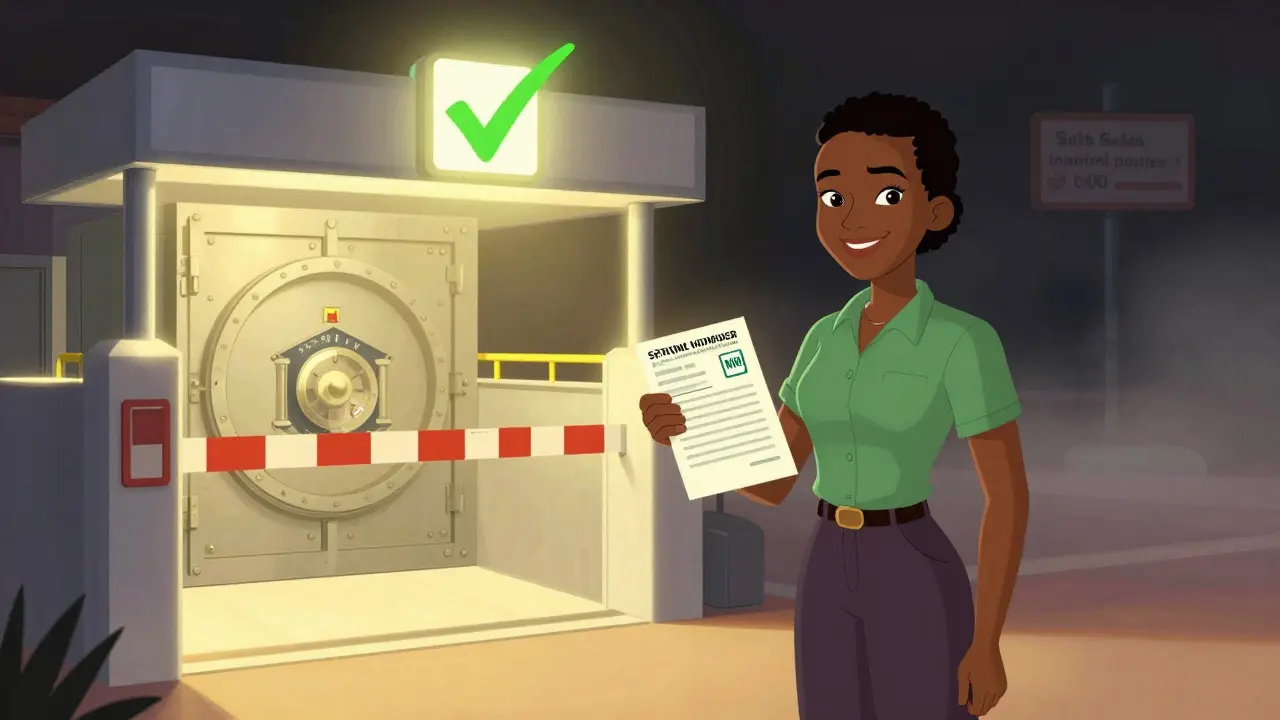
- Check the SEC Registry: Visit the official SEC Nigeria registry at sec.gov.ng/crypto-exchanges. This list is updated weekly. Look for the unique license number format, such as SEC/CRP/2025/001. If the exchange isn’t there, treat it with extreme caution.
- Verify Corporate Registration: Legitimate platforms incorporate locally. For example, Quidax operates as 'Quidax Technologies Limited' and Busha as 'Busha Fintech Limited.' You can cross-check these names on the Corporate Affairs Commission (CAC) registry. Offshore entities with vague names are red flags.
- Look for the CBN Verified Badge: The Central Bank requires licensed exchanges to display a specific 'CBN Verified' badge on their Nigerian landing pages. You can even verify status via SMS by sending 'VERIFY [exchange name]' to 20255.
- Confirm NIN Integration: As of February 2025, all licensed platforms must integrate with the National Identification Number (NIN) system during KYC. If the signup process doesn’t ask for your NIN, it likely isn’t compliant.
Taking these two minutes to verify can save you months of stress. The data shows that users of licensed platforms experience account freezes at a rate of only 3%, compared to 67% for those on unlicensed apps.
The Hidden Costs of "Cheaper" Fees
One common argument for sticking with global giants like Bybit or KuCoin is the fee structure. Unlicensed exchanges often charge lower transaction fees, averaging around 0.15%, compared to 0.25% on some licensed domestic platforms. On paper, that looks like a saving.
But let’s look at the real cost. If you trade ₦1 million, you save roughly ₦1,000 in fees. However, if your bank account gets frozen because the EFCC flags a transaction to an unlicensed entity, the cost skyrockets. You lose access to your daily finances. You spend days visiting offices. You might lose a percentage of your funds forever. Reddit threads on r/NigeriaInvest are filled with stories of users losing millions after chasing small fee discounts.
Furthermore, licensed exchanges offer integrated Naira settlement with minimum deposits as low as ₦1. They provide seamless banking experiences that unlicensed platforms struggle to match due to CBN restrictions. The convenience and security of direct bank transfers outweigh the minor difference in trading fees.
What Happens If You’re Already Using an Unlicensed Platform?
If you currently hold assets on Bybit, KuCoin, or other non-compliant exchanges, don’t panic, but act quickly. The trend is clear: enforcement is tightening. The SEC announced automated monitoring systems in mid-2025 capable of identifying illicit flows within minutes. By Q4 2025, Director Abdulrasheed Bawa of the EFCC stated that every unlicensed exchange would face enforcement action.
Your best move is to gradually migrate your assets to a licensed platform like Quidax or Busha. These platforms offer robust support and secure withdrawal processes. Start by moving smaller amounts to test the waters, then shift your larger holdings. Keep records of all transactions. If you do get caught in a freeze, having proof of legitimate intent and a plan to move to compliance can help in negotiations with authorities, though recovery is never guaranteed.
Also, be wary of decentralized exchanges (DEXs) like Uniswap. While they bypass central regulation, they carry zero consumer protection. If you make a mistake or get hacked, there is no customer support team to call. For the average Nigerian user seeking stability, regulated centralized exchanges remain the safer bet.
The Future of Crypto in Nigeria
Nigeria is transforming from a hub of informal P2P trading into a regulated institutional ecosystem. Since the implementation of ISA 2025, the volume on licensed platforms has surged by 220%, while unregulated market share has dropped by 58%. The government is serious about bringing crypto into the formal economy.
This shift benefits long-term investors. With clear rules, foreign institutions are more likely to engage with Nigerian markets. Banks are more willing to partner with licensed exchanges, reducing the friction of on-ramping and off-ramping fiat currency. By aligning yourself with compliant platforms now, you position yourself to benefit from this maturing infrastructure rather than being stranded on the sidelines of illegal operations.
Is Binance legal in Nigeria in 2026?
Binance's status is complex. While Binance Global has a presence, its P2P services have faced significant regulatory warnings from the SEC regarding unlicensed operations. For maximum safety, Nigerians are advised to use fully SEC-licensed domestic platforms like Quidax or Busha, which have explicit approval for banking integrations and consumer protections.
Which crypto exchanges are SEC licensed in Nigeria?
As of mid-2026, the primary fully licensed exchanges include Quidax and Busha. These platforms have undergone rigorous vetting, possess valid SEC license numbers (e.g., SEC/CRP/2025/001), and are approved by the Central Bank of Nigeria for banking services. Always verify the current list on the official SEC website.
Can my bank account be frozen for using Bybit?
Yes. The EFCC has actively frozen bank accounts linked to transactions on unlicensed exchanges like Bybit and KuCoin. Because these platforms lack local regulatory approval, banks may flag associated transfers as suspicious, leading to temporary or prolonged freezes until investigations conclude.
How do I check if a crypto exchange is licensed?
You can check the SEC Nigeria registry online at sec.gov.ng/crypto-exchanges. Additionally, send an SMS with 'VERIFY [exchange name]' to 20255 to check CBN verification status. Ensure the platform also integrates with your National Identification Number (NIN) during registration.
Are decentralized exchanges (DEXs) safer than unlicensed CEXs?
Not necessarily. While DEXs like Uniswap avoid central authority bans, they offer zero consumer protection. If you send funds to the wrong address or fall victim to a scam, there is no recourse. Licensed centralized exchanges offer insurance and dispute resolution, making them safer for most users despite higher fees.
